TikTok live shopping fuels British retail shift despite fees
A surge in live shopping on TikTok is rapidly altering British consumer habits and driving significant revenue for small businesses, though experts warn of impulsive overspending and platform commissions eat into tight margins.
TikTok Shop UK reported a more than 30% year-on-year increase in sales in June, driven primarily by live shopping. The platform now hosts over 6,000 daily livestreams, transforming how small and medium-sized enterprises reach consumers.
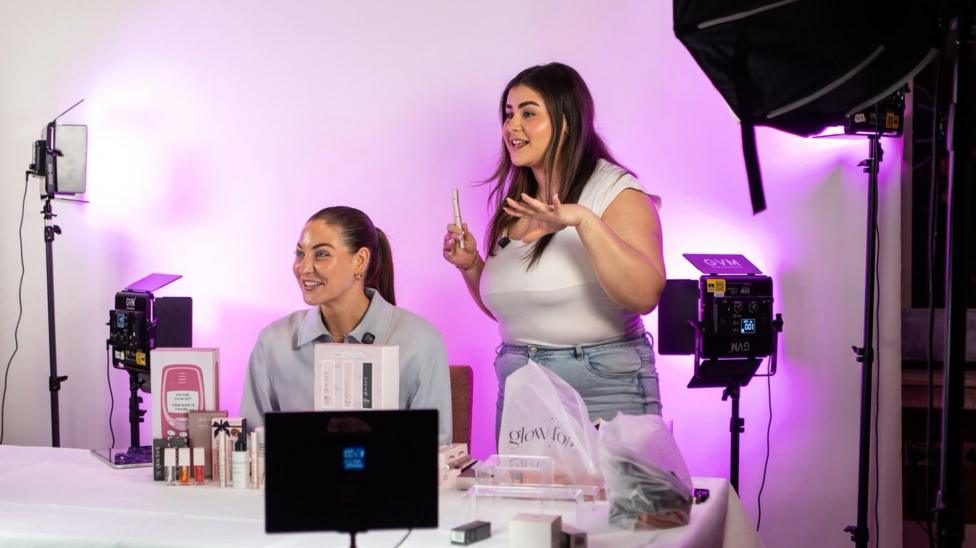
The format is proving highly lucrative for agile startups. Daisy Kelly, who founded beauty brand Glow For It in 2020, generates £6m in annual sales, with over 40% coming from TikTok. "We actually generated over £100,000 revenue in one 12 hour TikTok live," the 27-year-old said. "It's categorically changed the trajectory of my business."
The trend extends beyond digital-native brands to traditional retail. Manny Malik, a halal butcher in Wolverhampton, sold £8,000 of meat during a three-hour livestream, a volume that normally takes three to four days at his family shop. The revenue has funded a second store in Stoke, though Malik notes the platform's standard commission of up to 9p per £1 is a heavy toll on low-margin businesses like his.
This shift is not isolated to TikTok, with Instagram Live, YouTube Shopping, and eBay Live all competing for market share. According to retail agency Savvy Marketing, 30% of surveyed shoppers have purchased through a live event. "If you haven't got a strategy for live selling, you're going to miss out," said CEO Catherine Shuttleworth.
However, the economic implications of this retail model carry risks. The immediacy of live video creates a high-pressure environment that mimics gambling. "Every time you snap up a bargain before it sells out, your brain gets a dopamine hit," said Rebecca Lamb of Money Wellness. "Often you've spent money before your brain has caught up."
The format's reliance on scarcity is a calculated tactic. Savvy Marketing found that 66% of Generation Y and Z shoppers said seeing products sell out or go viral made them more likely to buy. As platforms refine one-tap payment systems, retailers face a delicate balance between capturing this new revenue stream and contributing to consumer debt.