Washington levies 50% tariffs on Canadian exports in escalating trade dispute
The United States has imposed sweeping new tariffs on Canadian goods, a move that threatens highly integrated North American supply chains and signals a broader shift toward US protectionism that could soon impact European exporters.
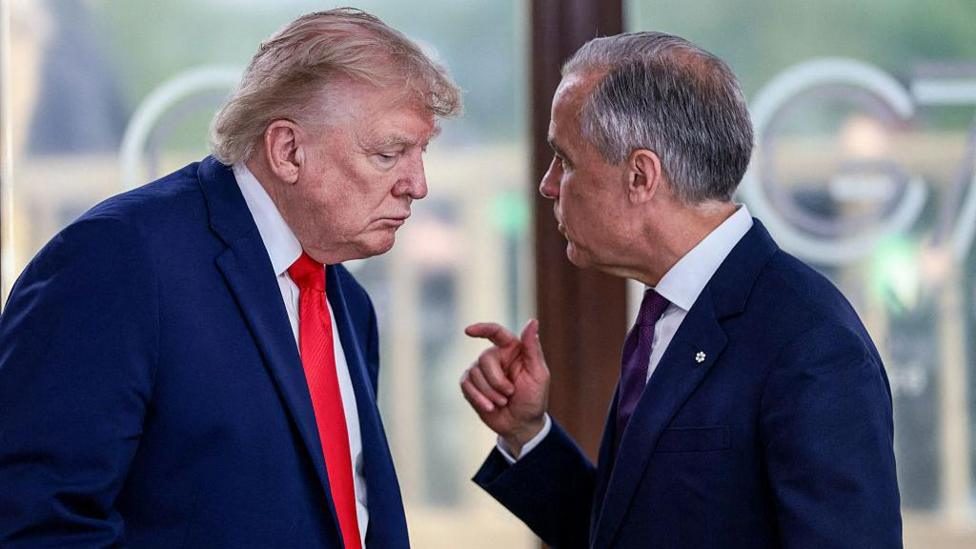
US President Donald Trump has imposed a 50% tariff on a wide range of Canadian imports, including cement, wine and hockey sticks. The duties, which take effect in 30 days, mark a major escalation in trade tensions between the two nations.
While energy, potash, critical minerals and fish are spared, the White House is targeting sectors where it alleges unequal treatment. The administration cites Canadian taxes on US motor vehicles, restrictions on dairy imports, and provincial boycotts of American alcohol.
Canadian Prime Minister Mark Carney stated the country is ready to intensify trade talks in the coming weeks. He condemned the move as a violation of the Canada-United States-Mexico Agreement and a threat to Canadian sovereignty.
Ripple effects for global trade
For European markets, this escalation serves as a stark warning about the direction of US trade policy. Disruption in highly integrated North American automotive and industrial sectors could redirect Canadian exports toward Europe, altering global trade flows.
Furthermore, the specific legal mechanism chosen by Washington is highly significant. After the US Supreme Court struck down previous sweeping tariffs under emergency powers in February, the administration has now pivoted to Section 338 of the 1930 Tariff Act to target alleged trade discrimination.
This demonstrates a determined effort to bypass judicial roadblocks and maintain aggressive import taxes. European exporters facing similar US grievances over automobiles, dairy and alcohol should view this as a preview of potential future friction.
The new duties compound existing barriers, including US levies of up to 50% on Canadian metals and a 35% tax on softwood lumber. Canada currently maintains a 25% counter-tariff on selected American steel, aluminium and vehicles.
Business leaders on both sides of the border have expressed concern over the breakdown in negotiations. Candance Laing of the Canadian Chamber of Commerce urged meaningful progress before the deadline, while the US Distilled Spirits Council warned the decision raises the risk of further retaliation.