Flawed AI election advice exposes gaps in EU tech law
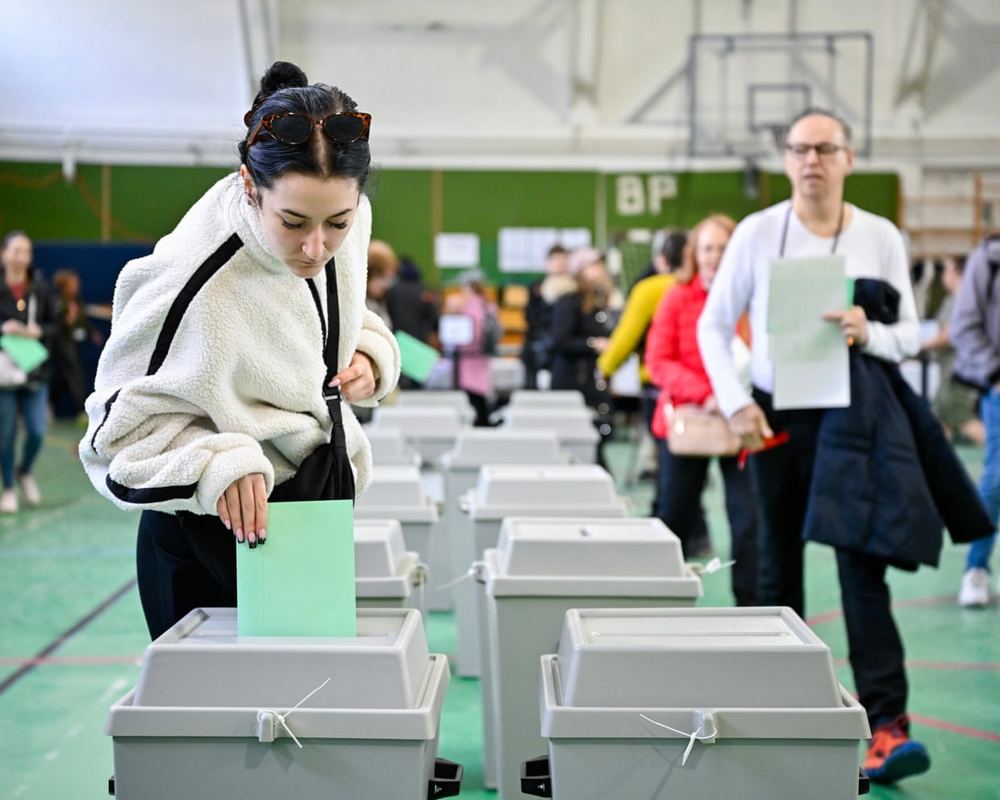
AI chatbots provided inaccurate and heavily biased voting recommendations during Hungary’s recent election, exposing a dangerous regulatory gap in the EU’s digital rulebook.
A study by the civil liberties group Liberties found that ChatGPT and Gemini produced highly unreliable voting guidance during Hungary’s recent parliamentary elections. In 90% of cases, ChatGPT failed to recommend the winning Tisza party when presented with a voter profile perfectly aligned with its platform.
Researchers tested five voter profiles aligned with registered national parties, prompting each chatbot 10 times. “They misclassified profiles, omitted relevant parties and included parties not running in the election,” the report stated. Furthermore, 96% of responses from both models listed parties that did not even appear on the ballot.
The consequences for European public life are significant, as AI tools rapidly become sources of civic information. With 29.8% of Hungary’s population identified as AI users, unreliable outputs can easily mislead the electorate. Unlike established voting advice applications, general-purpose AI models do not disclose their methodologies and yield highly volatile results.
The study points to a specific blind spot in Europe’s regulatory architecture for tech companies. The EU’s AI Act obliges providers to assess systemic risks, while the Digital Services Act covers electoral risks, but general-purpose chatbots currently fall between the two frameworks. This leaves a heavily used class of commercial software effectively unregulated during critical democratic exercises.
The failure to accurately map Tisza likely stems from training data limitations, as the party only surged to prominence after 2024. In percentage-matching tests, ChatGPT assigned Tisza a score in just 2% of cases, while recognising Fidesz as the primary recommendation about 50% of the time.
The chatbots compound these accuracy issues by presenting flawed data with unwarranted confidence. Both models routinely issued disclaimers about not giving political advice before delivering persuasive recommendations. “The answers appeared well-argued, precise and authoritative,” researchers noted.
While Tisza won decisively, the implications for closely fought European elections are evident. “In a more competitive election or where voters are less certain, such outputs could … potentially impact the outcome,” the report warned. “General-purpose AIs should not present opaque and unstable political matching as if it were reliable electoral guidance” for voters, said Eva Simon.
“Democracy cannot rely on opaque systems that claim neutrality while delivering advice they cannot explain, reproduce or guarantee to be accurate,” said Simon, head of Liberties’s tech and rights programme. Liberties has called on AI providers to stop offering personalised voting recommendations unless they can guarantee transparency, accuracy, consistency and accountability.