Trump's 50% Canada tariffs raise risks for European trade
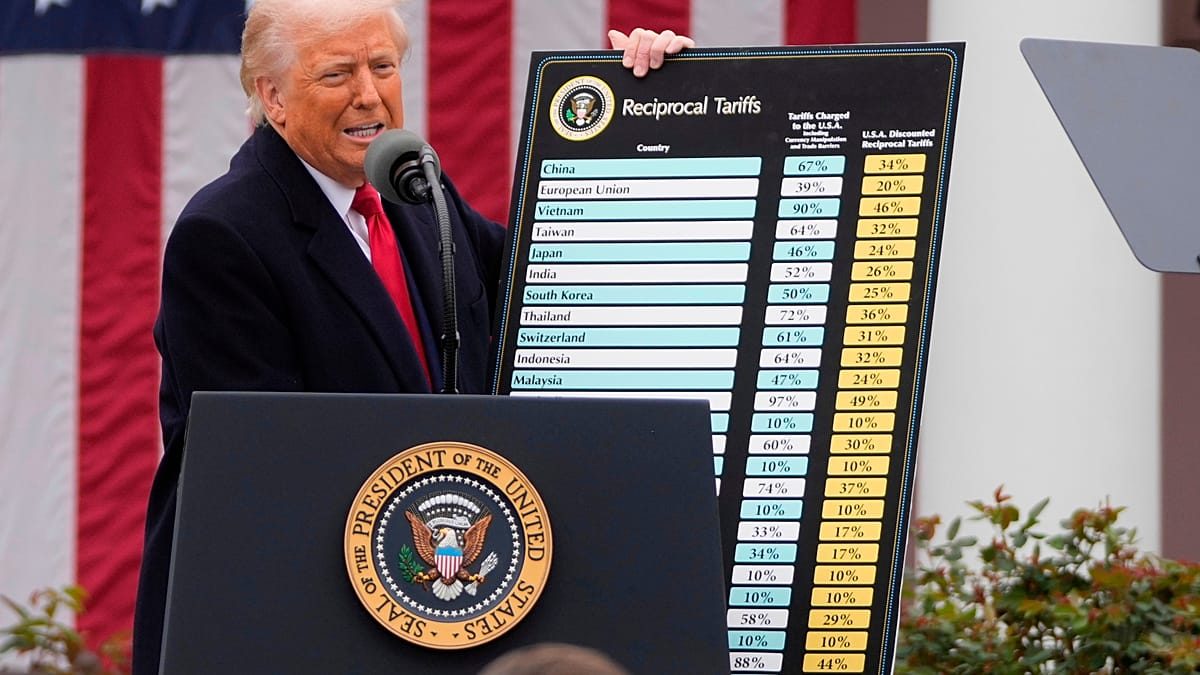
The US has announced sweeping 50% tariffs on Canadian goods using a Depression-era legal tool that economists warn could soon be deployed against European trading partners, threatening renewed global instability.
President Donald Trump on Monday imposed 50% tariffs on most Canadian goods, citing unfair treatment of American autos, alcohol and dairy products. The tariffs, set to take effect in 30 days, exclude energy products, potash, fish and critical minerals. However, they will hit goods that were previously protected under the US-Mexico-Canada Agreement, which the US allowed to lapse into a renegotiation period running until 2036.
For European policymakers and investors, the most alarming detail is the legal mechanism used to enact these taxes. After the Supreme Court in February stripped the president of his authority to declare an economic emergency to raise import taxes, the administration turned to Section 338 of the 1930 Trade Act. Scott Lincicome, vice president of general economics at the Cato Institute, warned that this broadly written statute injects “massive uncertainty” into the global economy because it can be aimed at any US trading partner. “We crossed the Rubicon,” Lincicome said. “The invocation of 338 is the nuclear option for Trump tariffs.”
The immediate trigger for the duties is a cycle of retaliation. Canada previously imposed a 25% tariff on US motor vehicles and halted the sale of American alcohol in most provinces after Trump's earlier tariff threats. Notably, Trump’s proclamation on dairy claims Canada discriminates against the US in favour of Europe when it comes to cheese imports.
Canadian Prime Minister Mark Carney, who recently clashed with Trump at the World Economic Forum in Davos over the use of economic coercion, signalled a willingness to talk but left the door open to escalation. “This trade dispute has raised costs for families, particularly in the US,” Carney said. “Canada stands ready to engage intensively to address outstanding issues with the US to the mutual benefit of our citizens.”
However, domestic pressure in Canada may force a harsher response. Ontario Premier Doug Ford demanded a matched retaliation. “If these tariffs proceed, Canada should respond tariff for tariff, dollar for dollar,” Ford posted on social media.
Business leaders on both sides of the border are urging a swift settlement within the 30-day window. Candace Laing, CEO of the Canadian Chamber of Commerce, called the move “regrettable” but urged both nations to make “meaningful progress in advancing formal talks.” Chris Swonger, CEO of the Distilled Spirits Council of the United States, similarly urged a “negotiated solution that restores market access for US spirits and avoids further harm to the US hospitality sector.”
The broader economic stakes are high. Tariffs function as import taxes that companies typically pass to consumers, a dynamic already pushing US inflation higher alongside rising oil prices tied to the war in Iran. Representative Suzan DelBene noted that the new taxes “will raise prices on American families and likely lead to retaliation against the very industries Trump purportedly wants to protect.” With US midterms approaching, another market meltdown similar to last year's "Liberation Day" chaos remains a distinct risk if negotiations fail.