Greek veto stalls EU Russia sanctions over LNG ships
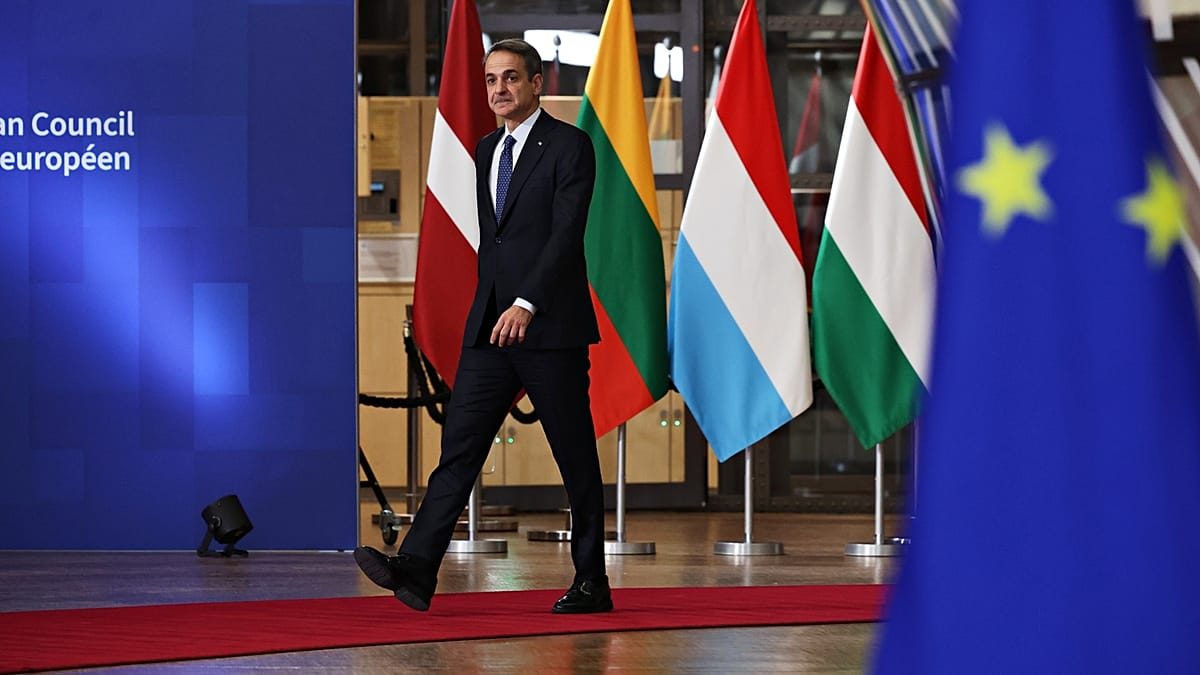
Greece is blocking the EU's latest Russia sanctions by demanding an exemption for its shipping fleet to carry Russian liquefied natural gas, testing the bloc's resolve to sever Moscow's energy revenues.
Greece has vetoed the European Union's 21st sanctions package against Russia. The blockade targets a previously agreed ban, set to take full effect in January 2027, that would prohibit the transport of Russian liquefied natural gas.
The Greek government wants the legal text revised to allow its merchant fleet to continue moving Russian LNG to non-EU countries past the deadline. Athens argues the restriction would damage Europe's maritime services sector, destroy jobs and ultimately fail to weaken Moscow's war chest.
At the center of the dispute is Dynagas, a specialist in sub-zero shipping owned by billionaire George Prokopiou. The company has chartered 11 vessels, including seven Arctic-resistant icebreakers, to Yamal LNG, Russia's largest gas facility. These ships are crucial for navigating the Northern Sea Route across the Arctic to deliver gas to Japan and mainland China.
Brussels is standing firm against rewriting the rules. "The ban is in place and remains in place," a Commission spokesperson said on Monday. The executive is preparing an economic analysis to counter Greek claims, aiming to prove that banning transport services would actually hurt Russia's war economy.
Diplomats warn that caving to Athens would set a dangerous precedent, inviting other member states to dismantle the sanctions regime from within. "Many sympathy points are currently not collected by Greece," a senior diplomat said.
If the deadlock persists, member states may explore a brief delay to the transport ban to give Dynagas time to prepare for a phase-out. Under this compromise, the actual import ban would remain untouched. Imports are the primary revenue stream for Moscow, with EU purchases from Yamal LNG reaching almost €6 billion in the first half of this year across a record 136 cargoes.
Greece's preferred alternative—a permanent exemption for shipping to Asia—is considered highly controversial. The bloc has a troubled history with such carve-outs, most notably the open-ended clause allowing Hungary and Slovakia to buy Russian crude through the Druzhba pipeline.
Granting another derogation would also draw sharp criticism from Kyiv. "Sometimes, in the pursuit of profit, people forget the price the Ukrainian people pay every day," said Vladyslav Vlasiuk, the Ukrainian president's commissioner for sanctions policy.