UK families skip meals over summer as regional malnutrition admissions surge
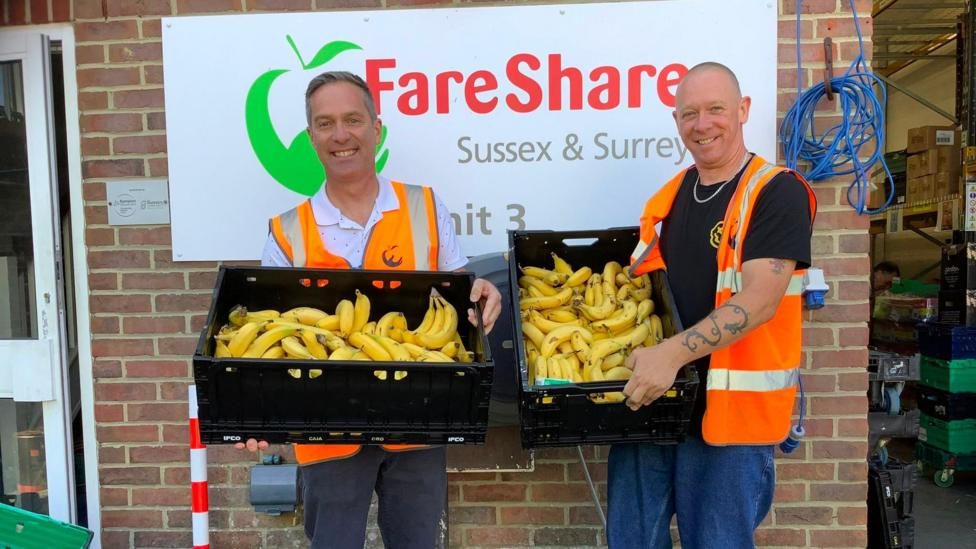
FareShare Sussex & Surrey says it is facing a "mountain" of need over the school holidays.
Families across southern England are skipping meals to manage household budgets during the school summer break, according to warnings from the charity FareShare Sussex & Surrey. The loss of access to free school meals has created an immediate financial shortfall for parents.
Dan Slatter, chief executive of the charity, estimated that the six-week holiday generates additional food costs of £200 per child. This sudden expense forces low-income households to divert funds from other essential services, underscoring the fragile financial position of consumers and reducing overall disposable income in the regional economy.
The resulting nutritional deficits are translating into measurable pressure on the public healthcare system. Hospital admissions across the South East related to malnutrition and nutrient deficiencies have doubled, and in some cases nearly tripled, in recent years, indicating a rising long-term burden on state medical resources.
To mitigate the crisis, the government funds local authorities in England to operate holiday activities and food camps, known as Club4 in Surrey. However, Surrey County Council restricts these camps exclusively to children who already receive benefit-related free school meals, leaving a coverage gap for others.
FareShare is now appealing for financial donations to tackle what Slatter described as a "mountain of need" and a growing number of people facing extreme hunger. The charity notes that a single pound donation can be converted into four meals by utilizing surplus food.
Steve, a senior warehouse manager at the charity who previously relied on food banks, highlighted the stigma and difficulty of seeking help when all his benefits were consumed by school transport fuel costs. "I didn't want to ask for help, but it got to the point where we weren't eating," he said.
Steve urged those struggling not to be afraid to ask for support, emphasizing that "help is there" despite the psychological barrier of requesting it. The heavy reliance on charitable redistribution of surplus food highlights structural vulnerabilities in the regional social safety net and the broader economic challenges facing working families.