Trump hits Canada with 50% tariffs, bypassing court block
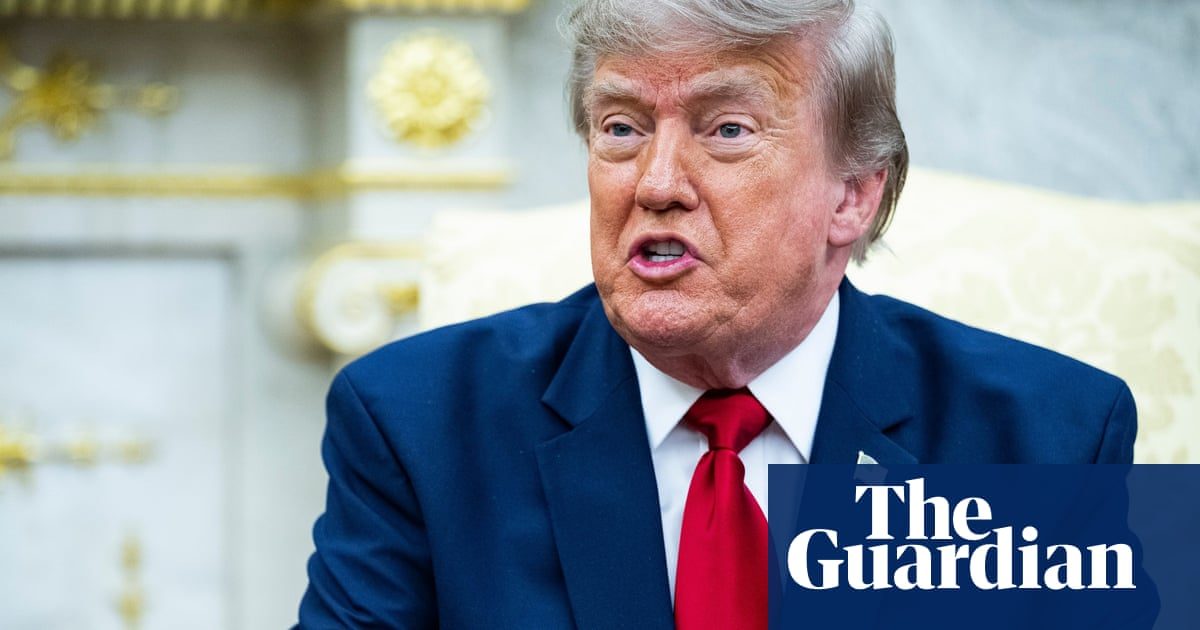
The US will impose sweeping 50% tariffs on most Canadian goods, signaling a willingness to bypass judicial limits on presidential power to sustain a protectionist agenda that threatens global market stability.
The White House announced a 50% tariff on most Canadian imports, targeting goods previously protected under the United States-Mexico-Canada Agreement (USMCA) such as wine, cement and hockey sticks. The taxes are scheduled to take effect in 30 days, leaving a narrow window for negotiations before they escalate a bilateral trade war.
To implement the levies, Donald Trump invoked Section 338 of the 1930 Trade Act. This marks a deliberate shift in legal strategy following a 6-3 Supreme Court ruling in February that barred the president from using emergency executive powers to impose global tariffs. That previous legal defeat forced the US government to repay $81 billion in collected duties this fiscal year.
For European investors and businesses, the escalation against Ottawa is a stark warning. It demonstrates that Washington is actively testing untested legal avenues to sustain its protectionist agenda, regardless of established trade pacts. The move risks reigniting the inflation fears and market volatility that triggered a financial market meltdown during last year's initial tariff announcements.
The administration's stated rationale also carries a specific message for Europe. In his proclamation, Trump explicitly accused Canada of discriminating against American cheese compared to the treatment afforded to European dairy products, highlighting Washington's ongoing scrutiny of transatlantic trade dynamics.
Certain critical supply chains were spared from the new measures. Energy products, fish, critical minerals and potash are excluded, as are steel and aluminum which already face separate national security tariffs.
Canadian Prime Minister Mark Carney stated the dispute has raised costs for families, particularly in the US, and expressed readiness for intensive negotiations. However, political pressure in Canada is mounting, with Ontario Premier Doug Ford demanding a "tariff for tariff, dollar for dollar" response if the measures proceed.