Soaring pump prices drive 23% surge in UK petrol station thefts
A 23% surge in fuel thefts at UK petrol stations highlights how geopolitical energy shocks are straining both household budgets and small retailers.
Fuel thefts at British petrol stations have surged by 23% since February, with an estimated £1.2 million of fuel stolen every week as rising pump prices push ordinary motorists to steal. Data from Forecourt Eye shows incidents jumping from 9,089 in January and February to 11,170 in March and April, a shift driven by the economic fallout from the war in Iran.
The spike in theft tracks a sharp rise in fuel costs. Between mid-February and June 2026, petrol prices rose from 131p to 155p per litre, while diesel climbed from 141p to 176p. Filling a 60-litre tank with diesel now costs £106, up from £85 just months ago. Gordon Balmer of the Petrol Retailers Association notes that "first-time offenders" are increasingly common, trying it on due to "rising household costs and a bit of opportunism."
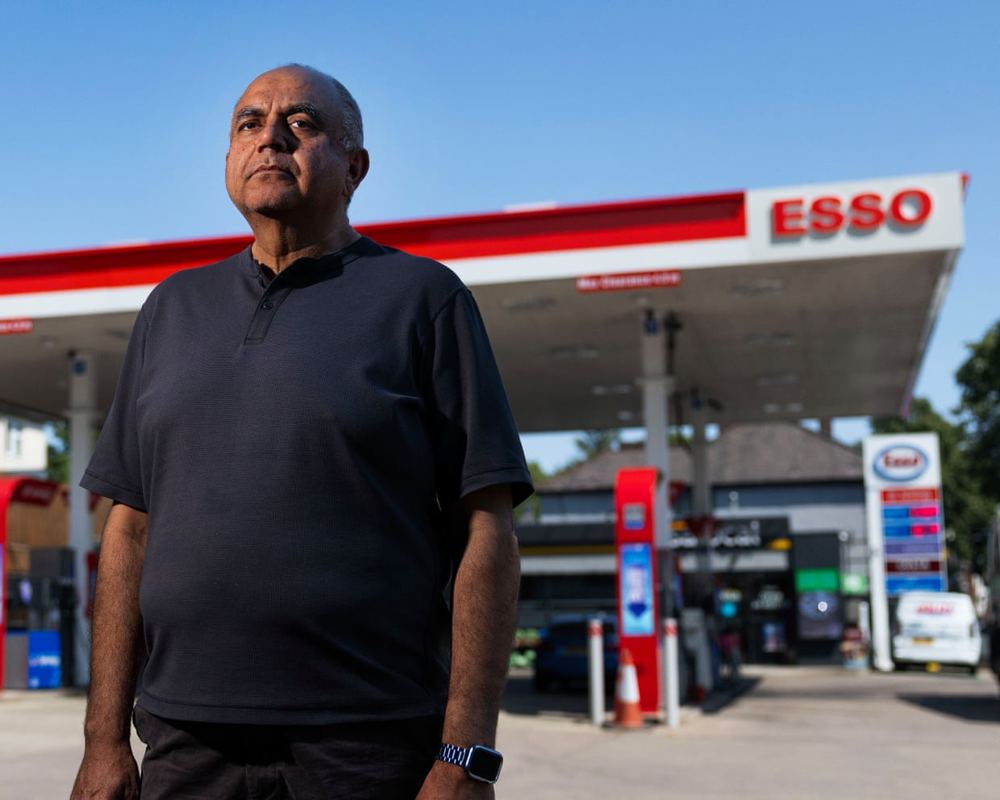
For independent forecourt owners, the losses are severe. Shailesh Parekh, who runs six garages in Birmingham, lost more than £40,000 to fuel theft last year. He notes that thieves no longer fit a traditional criminal profile, citing incidents involving suited drivers in Jaguars and men posing as farmers. The rising price of fuel has also made it a year-round commodity for organised "can-fillers" who steal to resell on the black market.
Yet the structural response from law enforcement is leaving retailers exposed. Driving off without paying is technically a criminal offence carrying up to two years in prison, but proving intent is difficult. Police often dismiss the incidents as civil debt recovery issues. In 2024, five UK police forces closed nine out of ten investigations without identifying a suspect. West Midlands Police took no further action in 98% of reported cases in early 2022.
This creates a costly dilemma for the retail fuel sector. Police advise garages to install prepay pumps to eliminate theft, but business owners argue that unilaterally adopting such systems drives customers to competitors. As energy costs remain elevated, the UK experience illustrates the friction that emerges when higher living costs collide with under-resourced law enforcement and rigid retail infrastructure.