UK defence stocks rise on Healey appointment as Mitie agrees £3.1bn takeover
New UK chancellor John Healey triggers a defence stock rally, while a £3.1bn takeover of Mitie highlights London's ongoing corporate exodus.
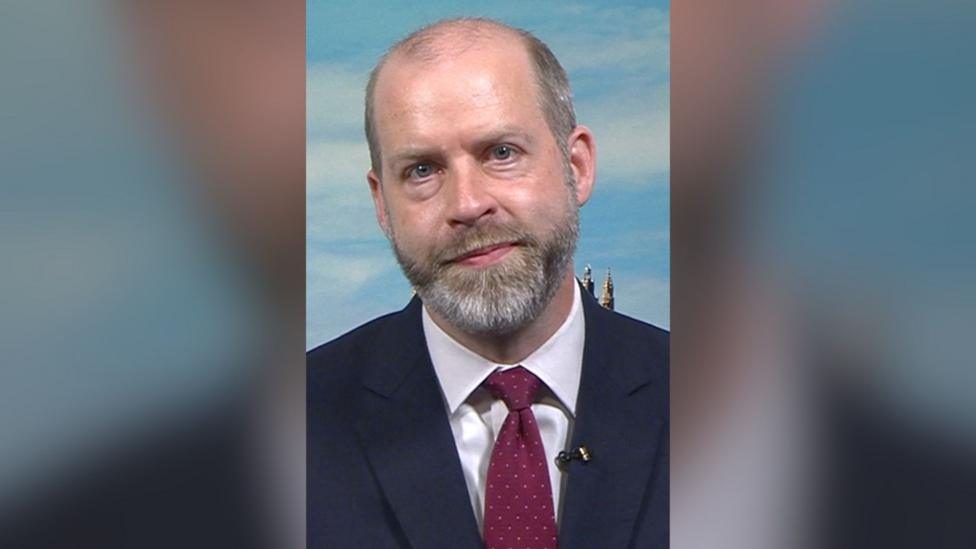
UK defence stocks surged and London-listed outsourcer Mitie agreed to a £3.1bn buyout, marking the market's first major reactions to the new UK government led by Andy Burnham with John Healey as chancellor.
Babcock International rose 4%, BAE Systems gained 2.4%, and Qinetiq climbed 3.5%. Investors are betting that Healey, a former defence secretary, will channel borrowing into the military through "defence bonds" he previously advocated.
Chris Beauchamp, chief market analyst at IG, cautioned against expecting an immediate windfall. "His experience made him an obvious candidate for the role, and he represents a middle way between Miliband and Mahmood, but it will not be easy to find lots more cash for defence, especially when the new PM is so busy making broad spending commitments in other areas," Beauchamp said.
Fiscal flexibility tests bond markets
The FTSE 100 opened 0.3% lower as government bond yields dipped slightly, with the 10-year gilt at 5.03%. Yields had initially climbed after Burnham signalled he would use "flexibility" in fiscal rules to boost public investment.
Burnham announced a VAT cut on household electricity bills costing £850m, with further cost-of-living measures expected later this year. Sterling held firm, up 0.13% to $1.34.
London listings continue to shrink
The fiscal uncertainty comes alongside a continued drain of listed companies from London. Private-equity owned OCS Group, backed by Clayton, Dubilier & Rice, agreed to buy Mitie for 221.6p a share, a 44.7% premium.
Mitie shares jumped 41% to a record 213.6p. The deal follows agreed takeovers of Intertek, easyJet, Beazley and Schroders this year, plus repeated US bids for Segro.
Stagnant labour market limits options
The new administration's room for fiscal manoeuvre is constrained by a weakening economy. Unemployment held at 4.9% in May, while job vacancies fell to 712,000, almost half the level seen in 2022.
Earnings growth missed forecasts, coming in at 4.3% including bonuses. Thomas Pugh, chief economist at RSM UK, described "a labour market with a whiff of staleness about it, but it’s still loosening gradually."
The pressure to act prompted the TUC's Paul Nowak to urge bank tax hikes to raise £60bn. "Cutting VAT on energy bills will provide some welcome relief. But with Donald Trump’s illegal war in Iran continuing to drive up bills, the government will need to go further," Nowak said.