Montenegro accession costs and digital trade fines test EU economic strategy
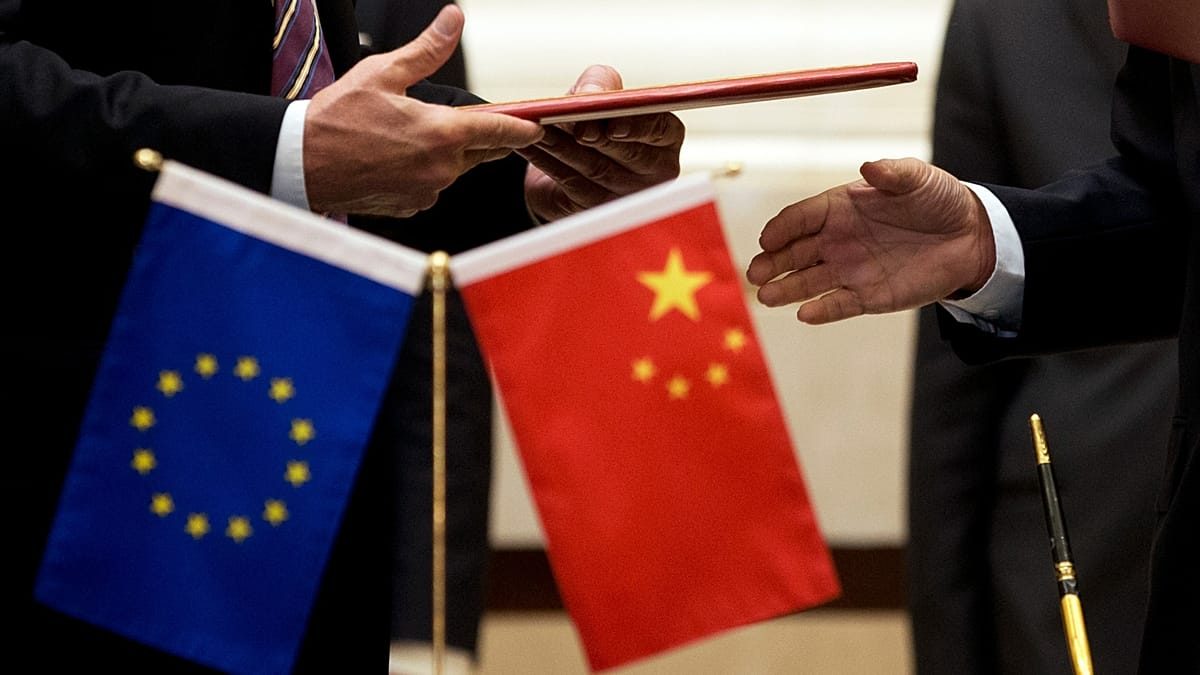
As the European Commission estimates the financial cost of admitting Montenegro, the bloc is simultaneously enforcing strict digital trade rules, highlighting the dual economic pressures of enlargement and global market regulation.
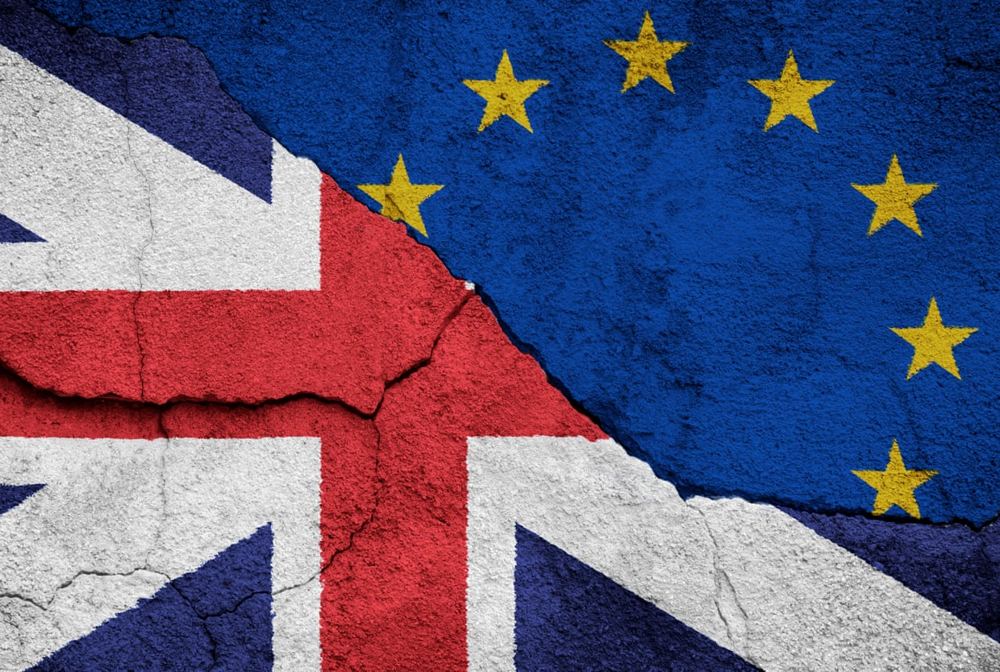
Montenegro is expected to establish a financial precedent for European Union expansion, introducing new complications to the bloc's negotiations over its next long-term budget. The European Commission presented the accession financial package last month for the Western Balkan nation, which is currently the most advanced candidate for membership.
Integrating the candidate country, which has a population of approximately 626,000, carries an estimated economic cost of €3.2 billion. Commission officials note this figure represents less than €1 per EU taxpayer, comparing the expense to the price of a single coffee.
While this financial impact is minimal when dwarfed by the EU’s nearly €2 trillion long-term budget, the political implications are substantial. The addition of Montenegro's accession costs threatens to strain already sensitive budget discussions among member states.
Beyond enlargement, the bloc is actively reshaping its internal market regulations to address foreign digital commerce. The EU recently imposed a €550 million fine on AliExpress over the sale of illegal and counterfeit goods.
This penalty accelerates a broader regulatory crackdown on Chinese online marketplaces operating within Europe. The enforcement action follows aggressive compliance checks and the implementation of increased charges for imports from fast-fashion platforms like Temu and Shein.
These digital trade measures arrive as Brussels and Beijing approach an October deadline to address the EU's massive trade deficit with China, which amounts to hundreds of billions of euros. Commercial ties between the two powers remain under intense scrutiny.
Highlighting this tension, a delegation from the European Parliament's Committee on Foreign Affairs is currently in China for meetings with local authorities. The visit, led by committee chair David McAllister, occurs as the bloc seeks to recalibrate its most vital trade relationships.
The recalibration of Asian trade ties is not the only international economic challenge facing the bloc. One year after the Turnberry deal, the transatlantic partnership with the United States has remained complex, requiring continuous diplomatic and economic management.