Russian warship conducts live-fire drill near busy UK shipping lane
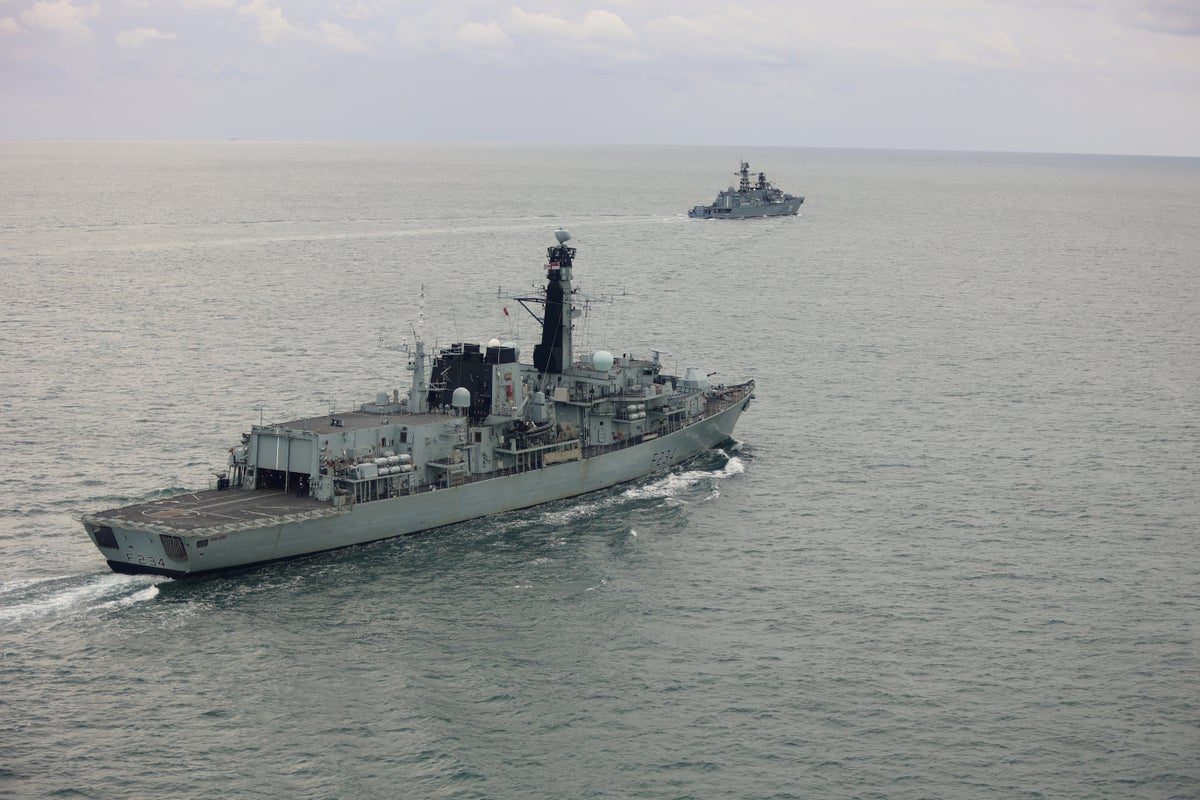
A Russian frigate carried out a live-fire exercise just 40 miles from the English coast, highlighting the mounting security pressures on Europe's busiest commercial shipping route.
A Russian warship carried out a 30-minute live-fire artillery exercise in international waters roughly 40 nautical miles south of Plymouth on Monday. The Russian frigate Neustrashimy notified the Royal Navy offshore patrol vessel HMS Tyne of its intentions before firing. A French military aircraft joined the British ship in shadowing the vessel during the operation.
The Ministry of Defence confirmed the incident, emphasising continuous surveillance. "A Russian naval vessel shadowed by the Royal Navy conducted a live-fire weapons exercise in international waters approximately 40 nautical miles south of Plymouth yesterday," a spokesperson said. "The Royal Navy monitored that exercise throughout, continues to track the vessel's activity closely, and stands ready to protect UK national security."
For European commerce, the English Channel represents a critical and densely packed maritime artery linking the continent to the Atlantic. While the exercise occurred in international waters, the presence of military live-fire drills this close to a major port like Plymouth underscores the ongoing vulnerability of European supply chains to geopolitical friction. Commercial vessels navigating these lanes face increasing routing uncertainties as military traffic interleaves with heavy cargo transport.
Russian vessels routinely traverse these international waters, making such incidents a regular feature of European maritime security. The Neustrashimy itself was shadowed by British crews last September as it escorted a commercial cargo ship through the North Sea and the Channel. That specific transit highlighted how Russian naval vessels operate in close proximity to civilian trading fleets, requiring constant allied vigilance.
Maintaining this vigilance demands a substantial and sustained deployment of European naval assets. Last month, the Navy revealed it had maintained a three-month "unbroken watch" on Russian warships and accompanying vessels in UK waters. That persistent presence recently included a severe escalation, when the Admiral Grigorovich fired a warning shot at the British yacht Bright Future south of the Isle of Wight on 16 June.
The sheer scale of the response to that June incident illustrates the strain on resources. Five Royal Navy ships were required to monitor the Admiral Grigorovich alone. As Russian naval activity near European shores continues at this pace, the operational costs for European defence ministries will keep rising, diverting vessels from other standard duties.