Spanish hate speech surges 31.8% as PP targets citizenship law
A surge in online racist abuse during the World Cup and a political fight over a mass citizenship law are testing Spain's social cohesion as urban crime steadily declines.
Spain is experiencing a sharp rise in online hate speech tied to the World Cup, creating a stark contrast with falling urban crime rates that are likely to benefit the business environment. The Spanish Observatory on Racism and Xenophobia (OBERAXE) recorded 40,861 instances of discriminatory posts online in June, a 31.8 percent increase from May.
The football tournament has acted as a catalyst for targeted abuse. OBERAXE noted a significant volume of racist and Islamophobic content directed at national team player Lamine Yamal. The bulletin highlighted that this racist messaging was broadly associated with various teams, fans and athletes during the competition.
This online toxicity has coincided with isolated but violent real-world clashes. Basque police arrested four people and identified seven others for assaulting Spain supporters in cities including Bilbao and San Sebastián. One suspect is under investigation for knife threats, while 20 others face investigation for attempting to sabotage a public broadcast.
In a separate incident, the Civil Guard is investigating an attack by masked individuals wielding bars and batons against soldiers watching a match in a bar in Berriozar, Navarre. The Basque Government has condemned the violence and expressed solidarity with the victims.
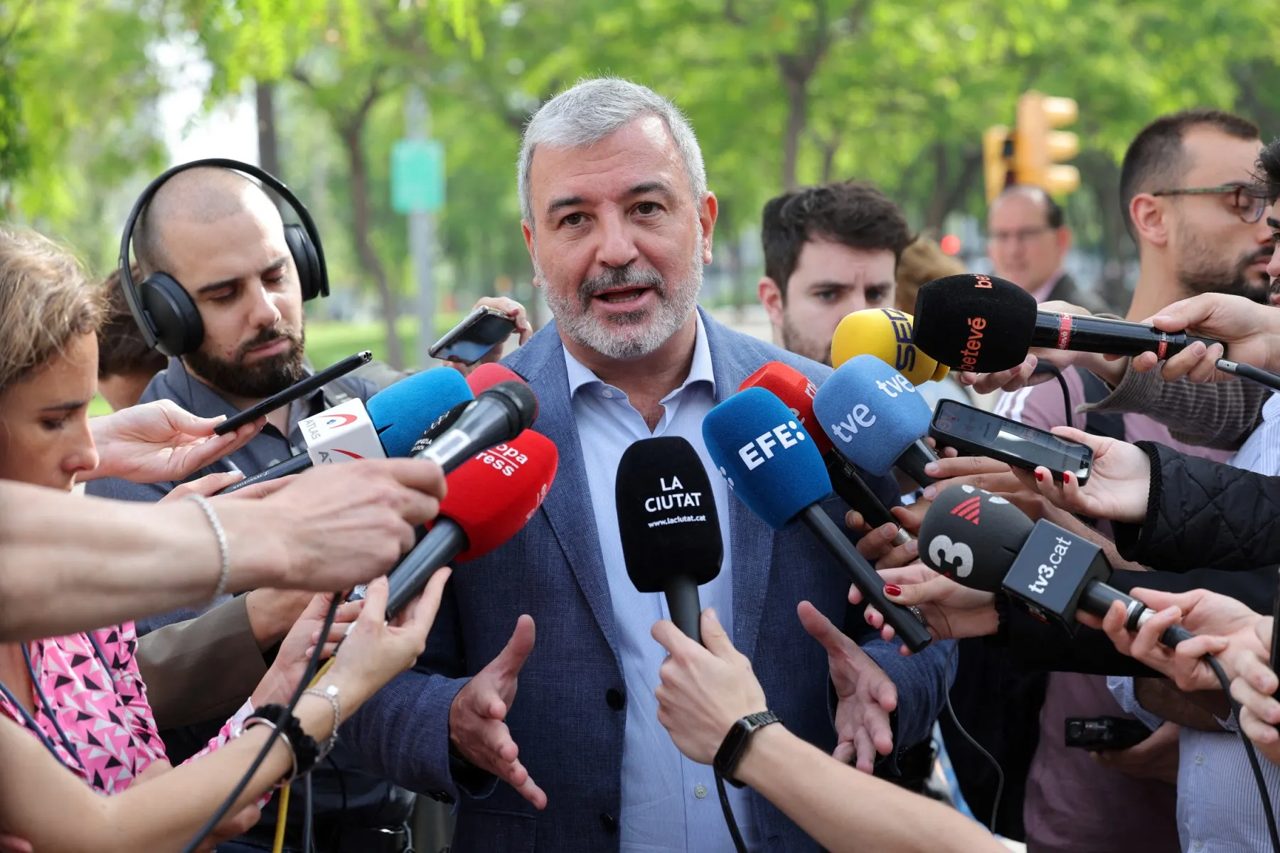
While public order concerns persist around the tournament, Spain's second-largest city is reporting significant progress on safety. Crime in Barcelona fell by 11.2 percent in the first half of the year and is now 12 percent below levels from a decade ago. "From the very beginning of our term, we said we would address the issue of security in the city because, to guarantee freedoms, it was necessary to guarantee security," Mayor Jaume Collboni said.
Street thefts, which make up 47.2 percent of all crimes in the city, dropped by 21.1 percent. This sharp reduction in opportunistic crime is a positive signal for the local economy, as improved visitor safety directly supports the tourism and retail sectors. However, the city saw a 14.1 percent increase in break-ins, mostly involving vehicles.
Beyond public safety, Spain's political landscape is absorbing a new challenge from the right. The conservative Partido Popular (PP) has petitioned the Secretary of State for Justice to annul key aspects of the Grandchildren's Law, a 2022 mechanism granting citizenship to descendants of Spaniards.
The move follows pressure from the far-right Vox party, which has alleged that the Socialist government is using nationality as an electoral ploy. The PP claims the administration "reinterprets" the law to broaden its scope beyond what parliament approved. "It is clearly null and void," said PP Deputy Secretary for Sectoral Coordination Alma Ezcurra. Conservatives are questioning the overseas voting process, arguing it has artificially inflated the voter rolls by 2.5 million people.