UK borrowing drops as new government walks fiscal tightrope

Better-than-expected June borrowing figures give Prime Minister Andy Burnham cover to cut energy taxes, but investors are watching closely for any sign of fiscal slippage.
The UK government borrowed £16bn in June, comfortably beating forecasts and giving the new administration a modest financial cushion. According to the Office for National Statistics, the figure was £300m below the Office for Budget Responsibility's forecast and £7.9bn less than June 2025. The improvement was largely driven by lower inflation-linked debt interest costs.
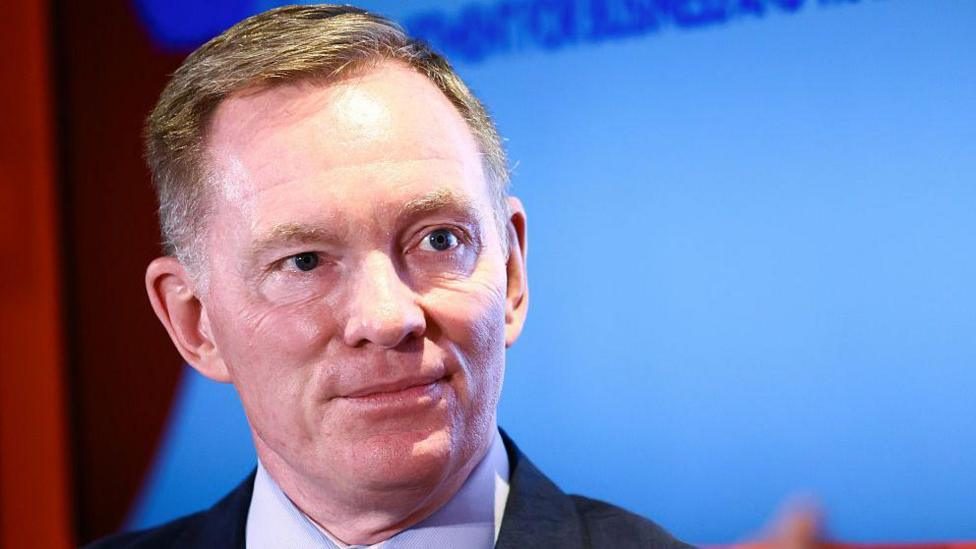
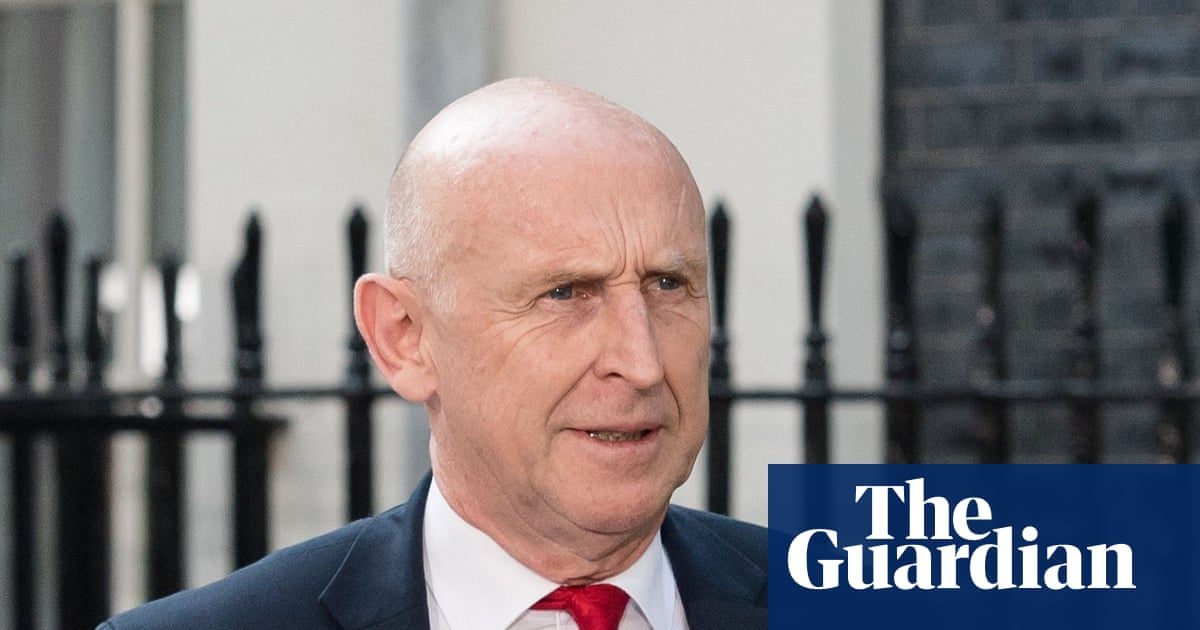
The data arrived alongside Prime Minister Andy Burnham's announcement that value-added tax on household electricity bills will be removed from 1 October. Chancellor John Healey said the tax cut will be funded this year by cancelling the digital ID programme. The move is an early test of how the new leadership plans to manage the competing demands of living costs and state finances.
Retaining the strict fiscal rules inherited from the previous Labour government of Keir Starmer and Rachel Reeves is considered essential to preventing a bond market backlash. Global borrowing costs have already increased due to jitters over the new prime minister's tax and spending plans, compounded by higher energy prices tied to the Iran war.
Healey moved to reassure investors, stating he and Burnham had agreed to “work in lockstep to meet the fiscal rules with a buffer against uncertainty”. He added: “Fiscal control is the first duty of any chancellor. It is mine. And fiscal credibility is the bedrock for economic stability and for national security.”
Despite the positive June snapshot, the underlying trajectory presents challenges. Borrowing for the financial year to date stands at £57.6bn, which is £2.7bn above the OBR forecast. Furthermore, debt interest payments still reached £11.8bn in June, the fourth highest total for the month on record.
Markets remain finely poised. Burnham told reporters on Monday he could consider utilising “flexibility” in the fiscal rules to bolster public investment, which some investors interpreted as a signal for higher borrowing.
Ruth Gregory, deputy chief UK economist at Capital Economics, noted the limits of the government's room for manoeuvre. “June’s public finances were a rare piece of good news for the new PM Burnham and chancellor Healey, but with the UK’s debt burden still rising, there is limited scope for extra public borrowing,” she said.
Nabil Taleb, an economist at PwC UK, warned that the strain on public finances will force difficult trade-offs. “With borrowing costs still sensitive and fiscal headroom limited, even modest commitments can carry significant consequences,” he said. “What matters is whether ambition is matched by credible funding and a convincing grip on borrowing.”