Spain's World Cup victory echoes in Gaza amid EU trade spat
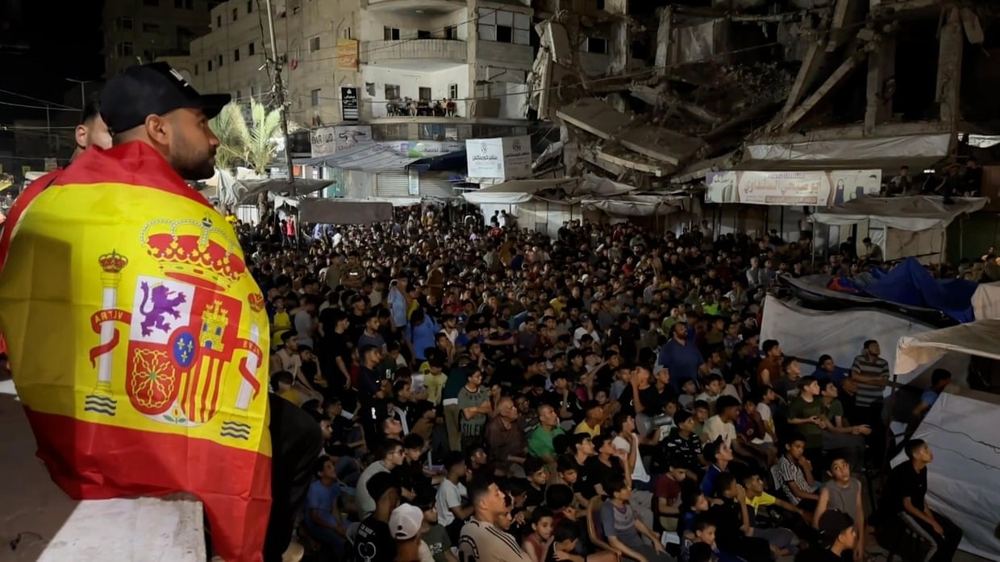
People gather at cafes and outdoor screenings to support team after Spain’s backing for Palestinian rights The Spanish football team’s World Cup win has been celebrated in the streets of Gaza, where Spain’s support for Palestinian rights and Israel’s backing for the Argentinian team turned the competition into more than a football showdown. Gathered at cafes and outdoor screenings, Palestinians defied the risk of Israeli attacks to cheer on a team they had taken to their hearts. Continue reading...
Palestinians in Gaza gathered in cafes and at outdoor screenings to celebrate Spain's World Cup victory. The match had taken on distinct geopolitical weight due to Madrid's vocal support for Palestinian rights.
For European policymakers, the scenes illustrate the soft power dividends of a hard diplomatic line. Madrid is currently pushing the bloc to suspend a broad free trade pact with Israel over human rights violations in Gaza and the occupied West Bank, a move with direct economic implications.
That political alignment transformed the Spanish squad into a local favorite. Fans in Gaza specifically rallied behind teenage star Lamine Yamal after he brought a Palestinian flag to Barcelona's La Liga celebrations in May. "Whoever raises the Palestinian flag deserves to raise the World Cup," the Gaza al-Irada amputee football team wrote in a message to the squad.
The symbolism drew direct intervention from political leaders. When Israel's defence minister accused Yamal of "inciting hatred" for the flag gesture, Spanish Prime Minister Pedro Sánchez publicly defended him. "Lamine has only expressed the solidarity with Palestine that is felt by millions of us in Spain. Another reason to be proud of him," Sánchez wrote on social media.
The final match was framed as a broader proxy clash. Israeli Prime Minister Benjamin Netanyahu backed Argentina, posting a good luck message for the team that reflected his close ties with far-right Argentine President Javier Milei.
Despite the joy, celebrations were constrained by the ongoing war. Most of Gaza's 2 million residents live in tent camps with scarce power and internet, forcing fans like 23-year-old Arkan al-Walaida to rely on morning visits to internet cafes for match highlights. "Honestly, I felt like I was about to cry from happiness," she said of Spain's win. "We see their support as a sign of humanity."
The risks of public gatherings remain severe. Saadi al-Masri, the 40-year-old captain of the amputee team, watched the final in a packed cafe but noted that fear of airstrikes prevented late-night parties. In early July, an Israeli bomb killed Mohamed al-Wahidi, an aid worker who had organised World Cup screenings. The Israeli military confirmed the strike but denied targeting him.