Attacks on Ukraine gas facilities and Black Sea tanker raise energy risks
Russian strikes on Ukrainian gas infrastructure and a commercial propane tanker in the Black Sea demonstrate the ongoing risks to European energy supply chains and regional shipping routes.
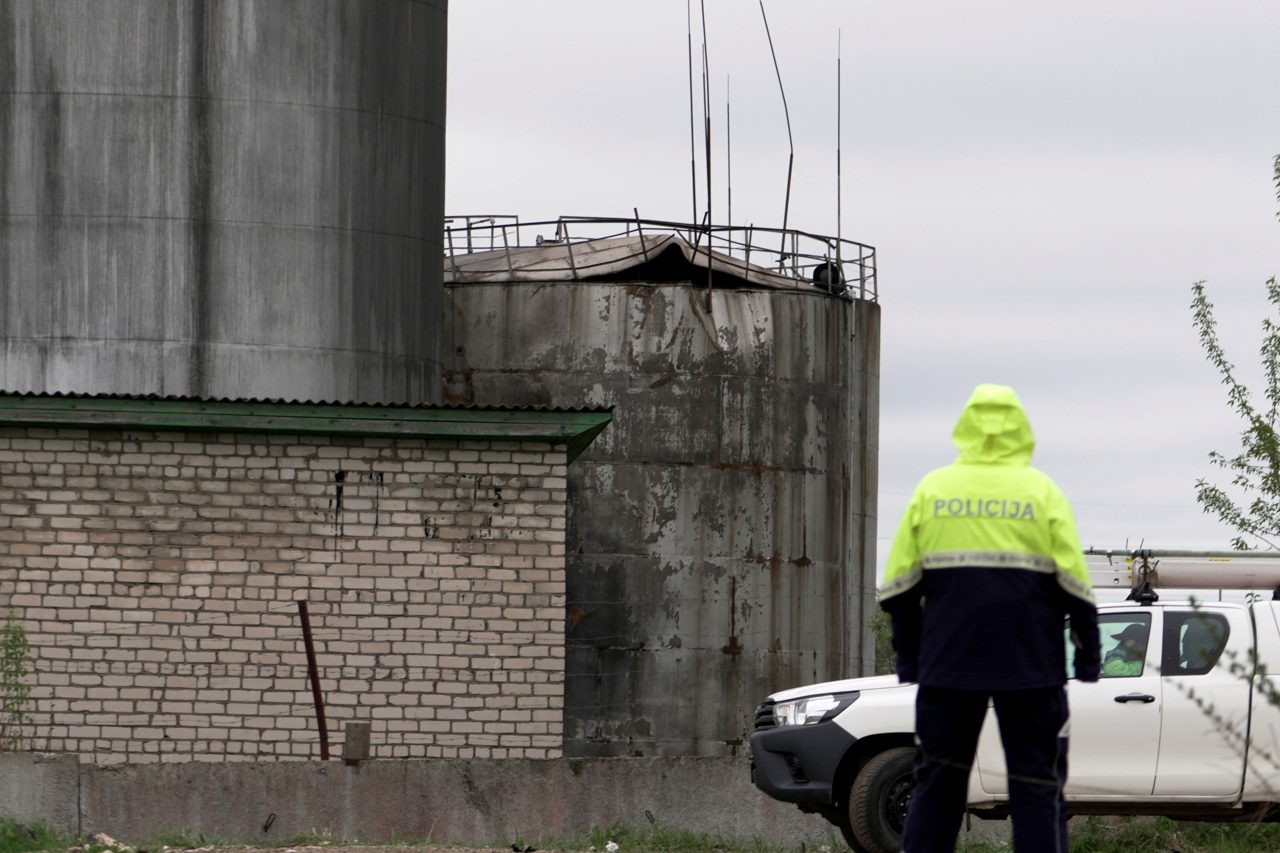
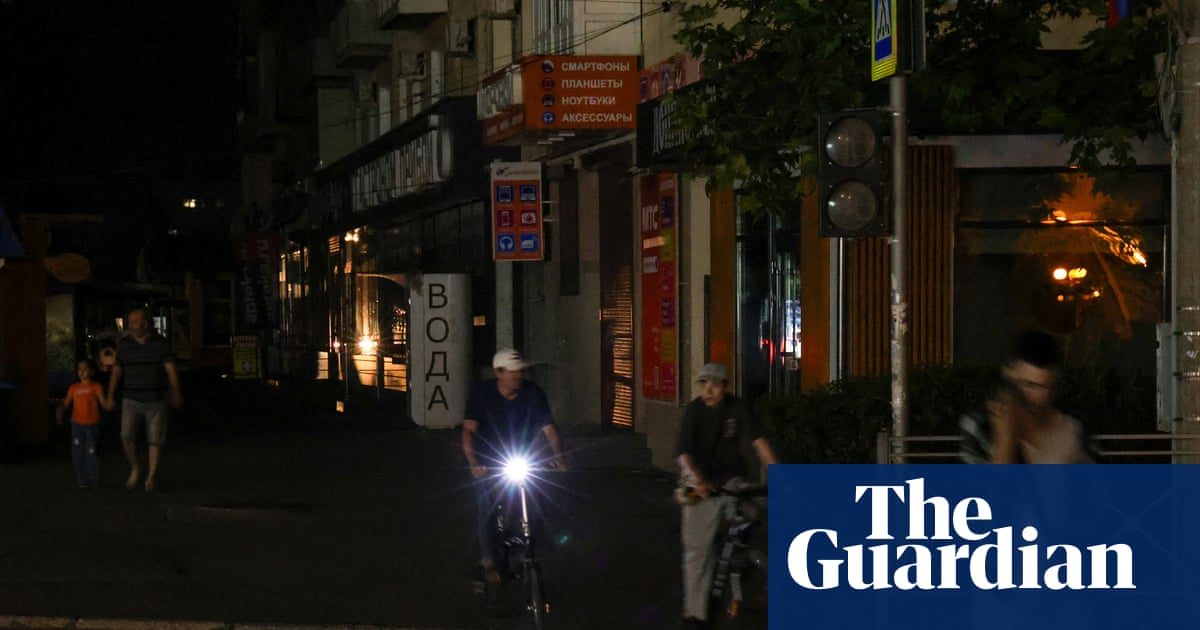
Russia has attacked Naftogaz’s gas production facilities in the Kharkiv region for three consecutive days, the state-owned energy company confirmed. Separately, a civilian LPG tanker transporting propane to Ukraine was struck in the Black Sea, wounding three seafarers and causing a major fire that forced the evacuation of all 17 crew members.
The Gas Lisbon, a Liberian-flagged vessel, was carrying more than 3,790 tonnes of propane from the Egyptian port of Alexandria to the Ukrainian port of Reni. Romania’s president, Nicușor Dan, said the strike occurred approximately 20 nautical miles off the Romanian coast. He claimed the incident was "most likely part of the Russian Federation’s illegal war of aggression against Ukraine," highlighting the persistent danger to commercial energy shipping near European waters.
The sustained bombing of northeastern gas facilities compounds the threat to Ukraine’s domestic energy network. According to the Institute for the Study of War, Russia is firing more ballistic missiles in July than it is thought to produce each month. The thinktank noted Moscow is dipping into its stockpiles because ballistic missiles have a higher success rate than drones and cruise missiles.
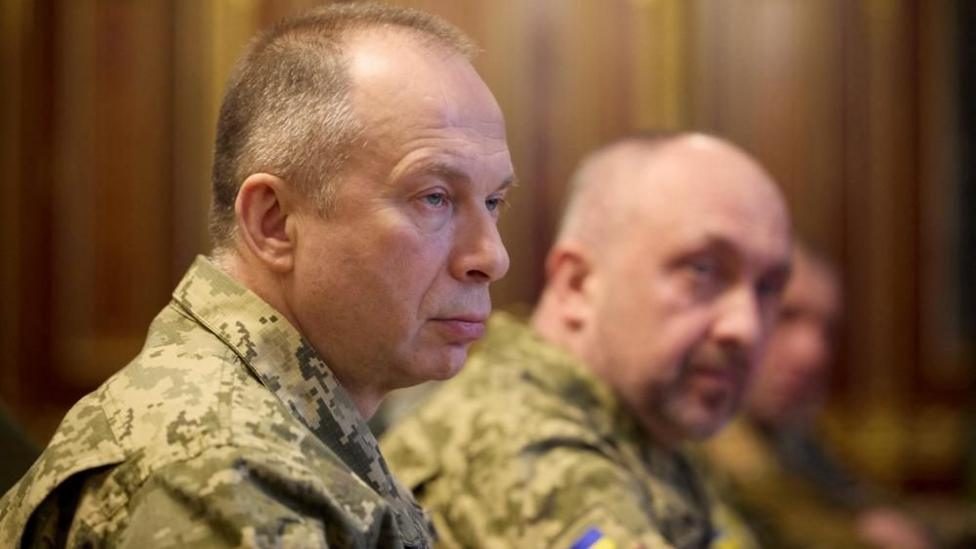
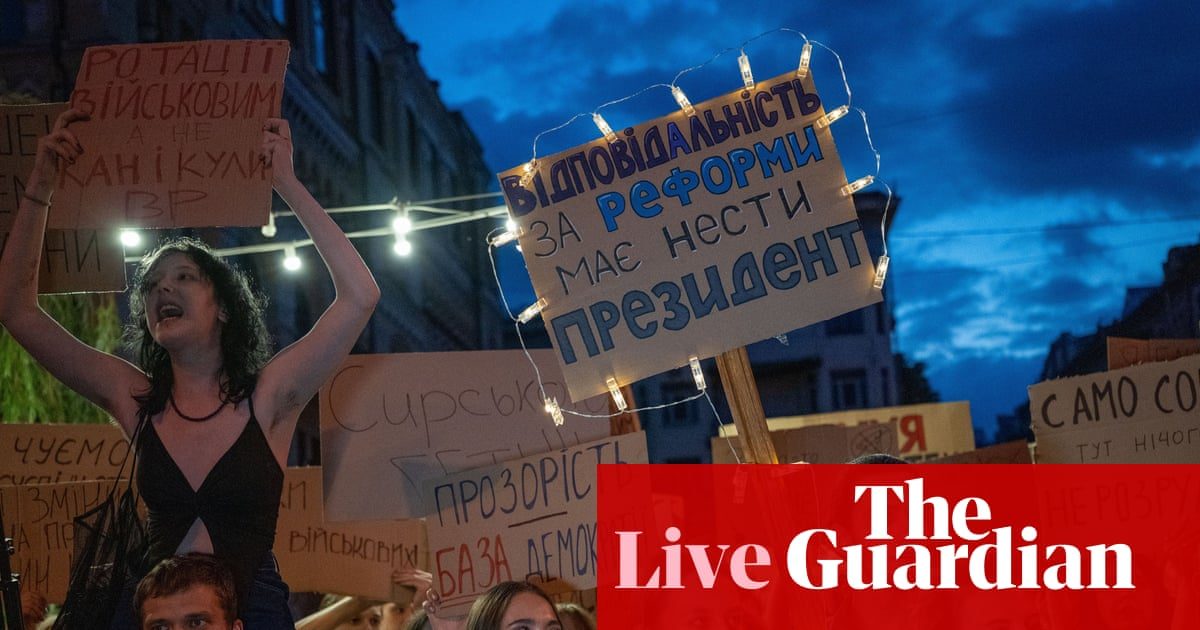
These military pressures coincide with rare domestic unrest in Ukraine. Protests continued last night over President Volodymyr Zelenskyy’s dismissal of a popular defence minister, with calls to reinstate him and fire army chief Oleksandr Syrskyi. Rumours are circulating that Zelenskyy is close to agreeing to some of the protesters' demands.
The shifting security environment is prompting personnel changes among European allies. British Prime Minister Andy Burnham has named Hamish Falconer as his new lead on European and intergovernmental relations, replacing Nick Thomas-Symonds. The 40-year-old former diplomat previously worked on national security at the Foreign Office.
Thomas Byrne, Ireland’s Europe minister whose country holds the EU’s rotating presidency, said he looked forward to working closely with Falconer. However, he warned the departure of Thomas-Symonds would be a blow to EU counterparts. Byrne credited the outgoing minister with a "genuinely positive step-change in the EU-UK relationship, to the benefit of both UK and EU citizens," though some diplomats fear broader reset talks have lost momentum over a youth mobility scheme tuition fee dispute.