Restored Victorian workhouse opens to highlight poverty
A £2.8m redevelopment of the Ripon Workhouse Museum offers an immersive look at the Victorian approach to poverty, drawing explicit parallels to modern social issues.
The Ripon Workhouse Museum in North Yorkshire reopens to the public on Tuesday following a £2.8m redevelopment backed by the National Lottery heritage fund. The site, one of the most complete surviving Victorian workhouses in Britain, has abandoned its previous incarnation as a sterile exhibition space in favour of an immersive experience.
Visitors are confronted with the brutal realities of 19th-century welfare policy upon entering a vagrants’ block filled with the sound of unpleasant coughing. Displays feature a coarse men's nightshirt, a reproduction "de-infestor" for fumigating clothes, and the baths where inmates were stripped and forced to wash in shared water. As curator Laura Allan noted, all possessions were confiscated upon entry, leaving paupers at the mercy of the system.
The physical overhaul was a structural necessity rather than a cosmetic choice, as the building suffered from rotting frames, a leaking roof, and unsupported arches. "You could honestly stick a screwdriver in the rotting window frames and it would stand up independently," Vernon said. The previous museum setup, established in 2017 inside former social services offices, drew poor reviews from visitors who felt the displays were unfinished.
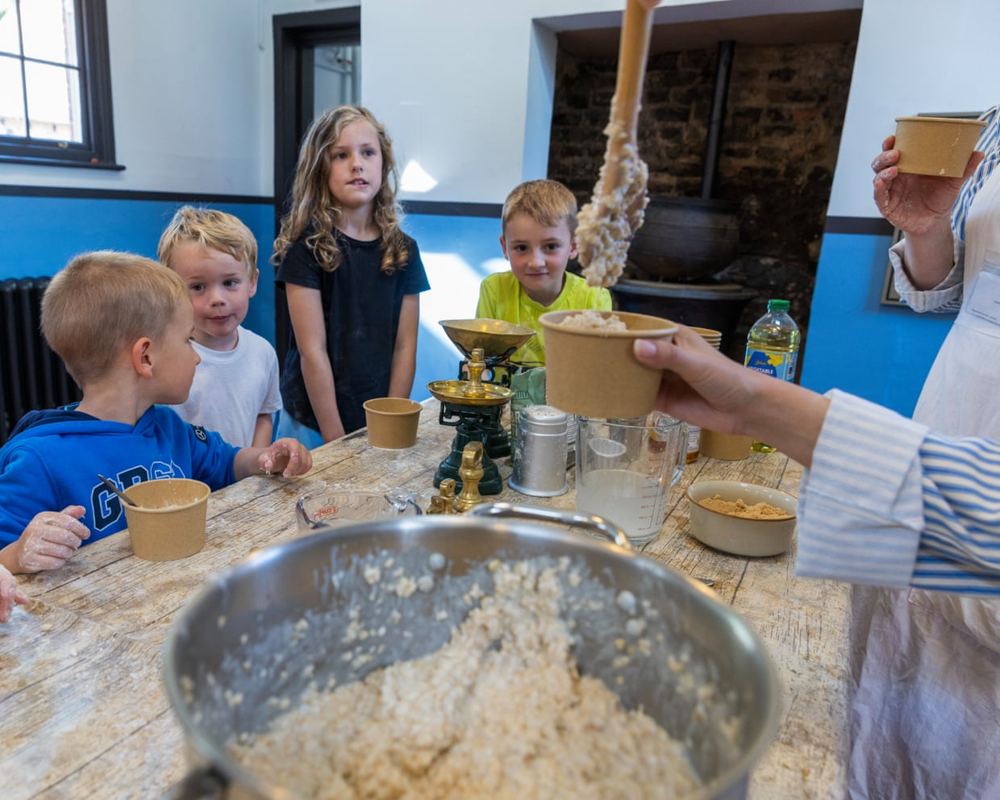
The redesigned museum recreates the Victorian solution to poverty: providing basic food and shelter but making conditions intentionally grim to deter all but the desperate. Volunteers demonstrate tasks like sewing, sweeping, baking bread, and operating a mangle, while visitors might also be served gruel. A newly opened cellar reveals original meat storage areas untouched since the 1930s.
Curators frame the workhouse as a national story with heavy contemporary relevance, noting that Victorian drivers of homelessness like mental health struggles and family breakdown mirror modern destitution. "Poverty still exists, doesn't it," Vernon said. "People can come here and think about poverty, think about how we treat people and think about whether we are treating people more fairly now."