Europe hails PM Burnham but media doubt his economic agenda
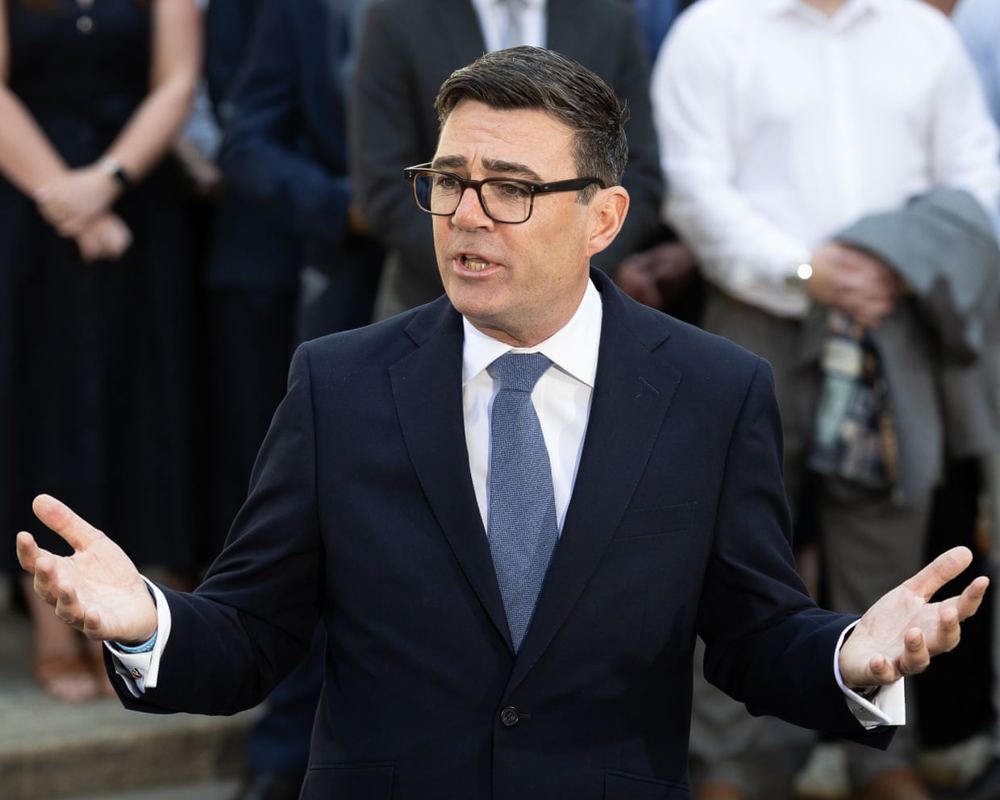
Andy Burnham has become Britain's seventh prime minister in a decade, winning early backing from EU leaders for closer ties while facing sharp European scepticism over his state-led economic agenda.
Andy Burnham has entered 10 Downing Street as Britain's seventh prime minister in a decade, immediately drawing a wave of congratulatory messages from across Europe and beyond. The initial diplomatic response from Brussels and key continental capitals signals a strong desire to maintain the recent thaw in relations. However, the transition of power does little to resolve the profound economic constraints that forced his predecessor from office.
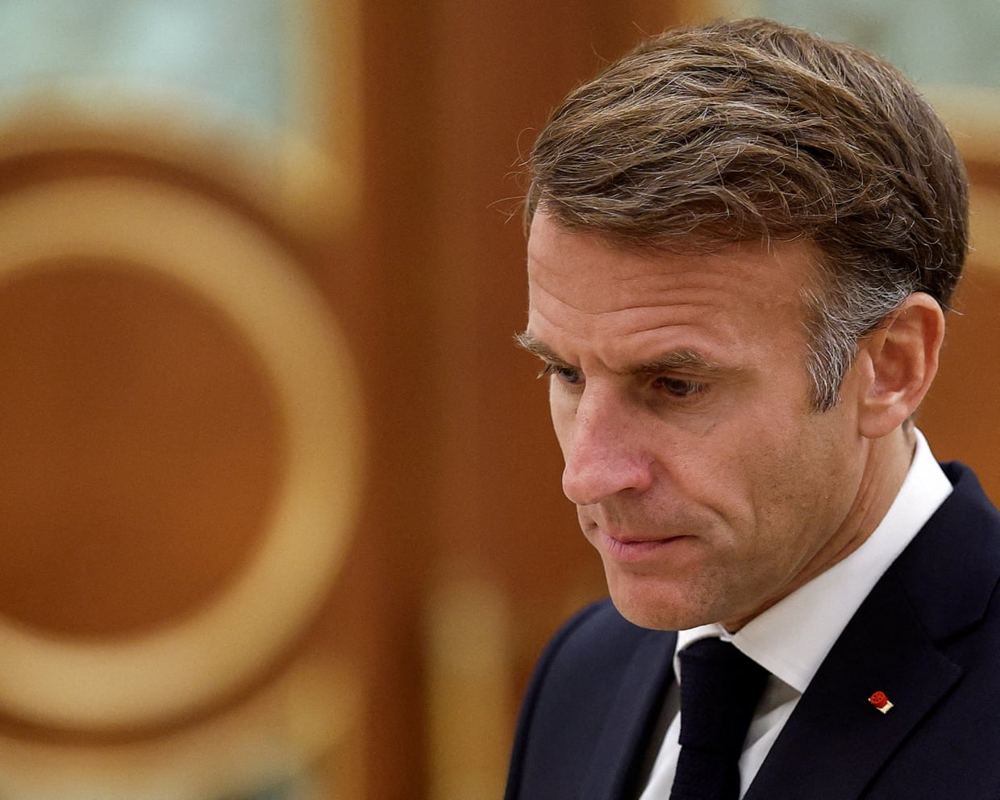
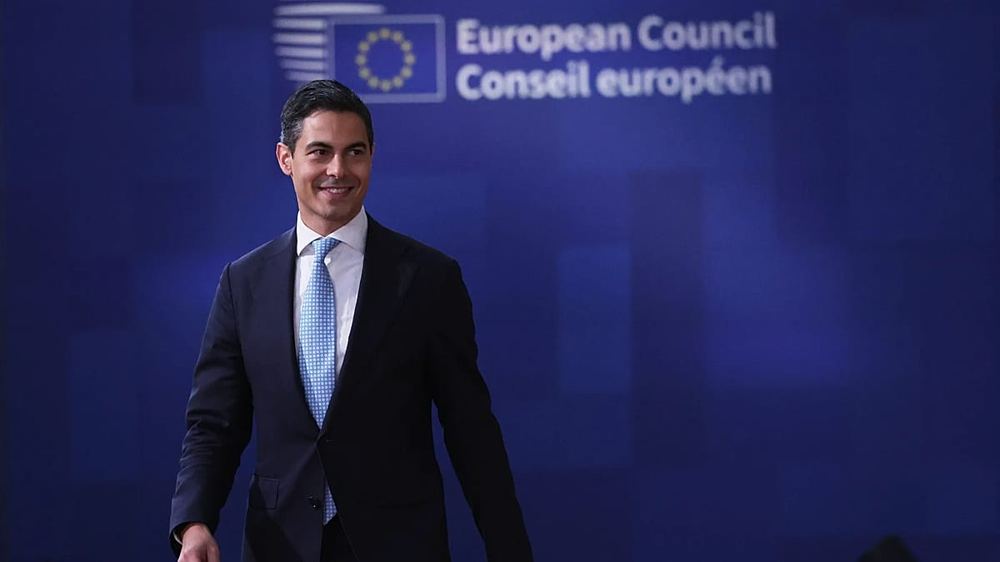
European institutions are clearly eager to lock in recent progress. Ursula von der Leyen, the president of the European Commission, said she looked forward to "strengthening the EU-UK partnership" following a "very good first discussion" that revealed a shared commitment to "bringing the EU and UK closer and closer". Emmanuel Macron echoed this sentiment, expressing hope for a deeper relationship that gives "new momentum to the partnership between the UK and the EU".
Beneath the diplomatic warmth, European analysts are deeply sceptical about Burnham's capacity to deliver on his domestic agenda. Italy’s Corriere della Sera warned that the UK is experiencing "profound unease, instability and social resentment". The newspaper criticised his plans for nationalisation, state intervention and reindustrialisation, arguing the country "appears incapable of imagining and planning for the future and prefers to take refuge in a backward-looking Eden" reminiscent of pre-Thatcher economic turmoil.
For markets, the immediate concern remains the same fiscal straitjacket that doomed the previous government. The Irish Times noted that the crippling budgetary pressures that brought down Keir Starmer, an inability to adequately fund defence, housing, welfare, care for the aged, and training for the young, have not disappeared. Burnham may have an instinct to tack to the left, the paper observed, but he is already trying to prove he will govern from the centre while remaining "hamstrung by a commitment to abide by strict fiscal rules".
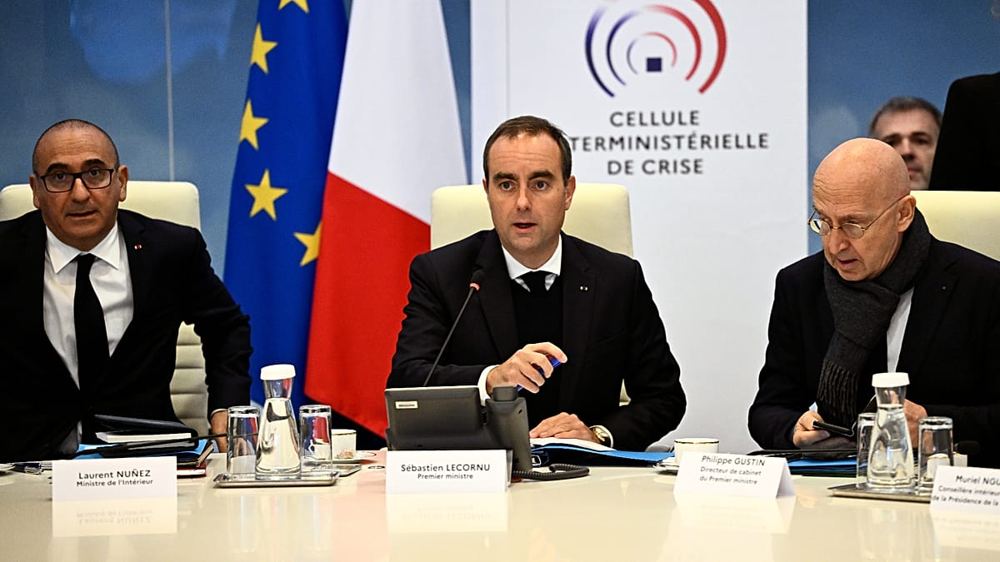
The new prime minister's working-class persona has caught the attention of the European media, with France’s Public Sénat highlighting his "everyman" image. Yet, as one New York Times commentator put it, Britain has essentially ended up with "a career Blairite with a northern soul and a Whitehall brain". Internationally, Burnham has moved quickly to assure allies like Germany's Friedrich Merz on continued support for Ukraine, and even secured a "very good conversation" with Donald Trump regarding North Sea oil.