X-Bow launches sub-$100,000 Buckler drone interceptor
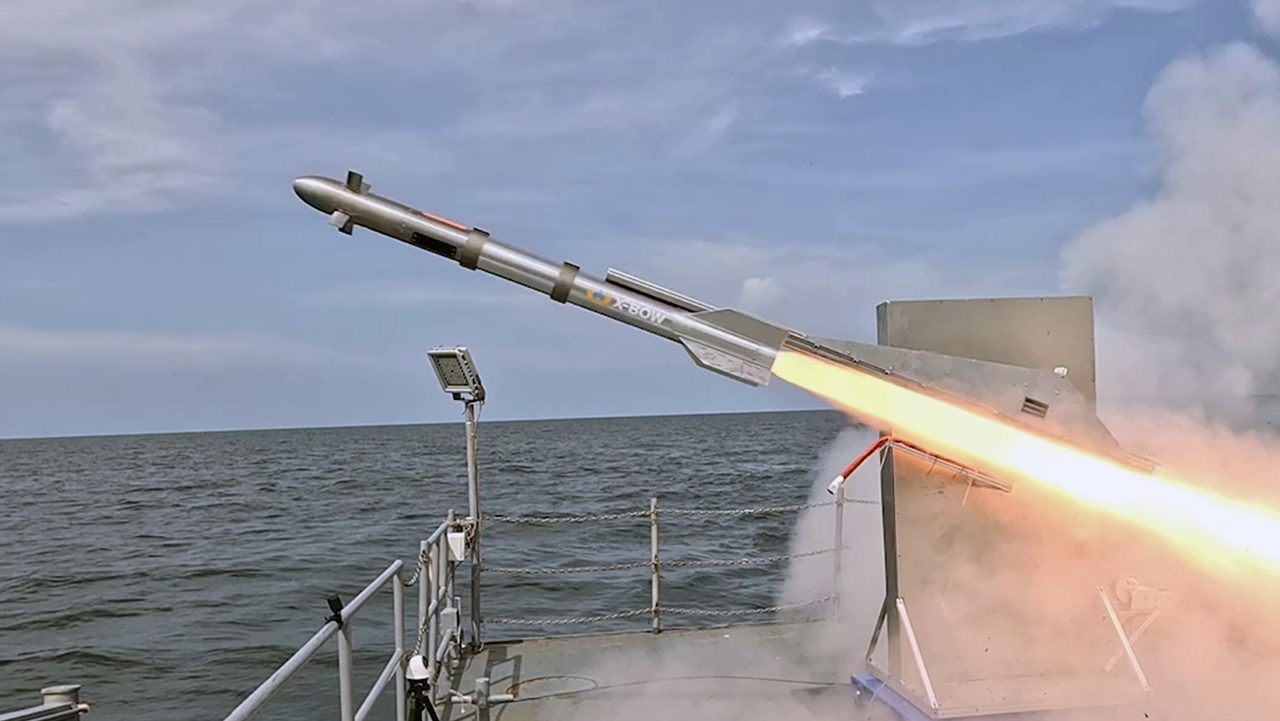
X-Bow Systems is launching what it hopes will be a remedy to the ongoing conundrum of combating cheap drones with multimillion dollar interceptors.
X-Bow Systems introduced the Buckler interceptor at the 2026 Farnborough Airshow in London. The system is designed to destroy Group 3 drones, aircraft weighing up to 1,320 pounds and flying below 18,000 feet, for less than $100,000 per unit.
The rollout addresses a glaring financial imbalance in modern air defense. US forces currently rely on expensive munitions like the PAC-3 interceptor, which costs up to $4 million, to destroy Shahed-136 attack drones that cost roughly $35,000. This creates a 114-to-1 cost-per-kill ratio that is economically unsustainable in a prolonged conflict.
“You can’t win a war of attrition trading million-dollar interceptors against thousand-dollar threats,” said Jason Hundley, founder and chief executive officer of X-Bow. “Buckler has flown, it comes in under $100,000, and we build its airframe and propulsion ourselves, the part of the industrial base that is so stressed by today’s munitions demands.”
Hundley framed the system as a direct response to allied requests. “This is our answer to the call from the U.S. and its allies: affordable capability, at scale.” Manufacturing the airframe and propulsion entirely within its own New Mexico factories allows the company to bypass supply chain bottlenecks that constrain traditional, multi-company defense programs.
The company recently tested the supersonic munition, successfully demonstrating its propulsion and flight performance. X-Bow is not alone in targeting this market gap at the Farnborough Airshow.
A shifting defense market
Lockheed Martin used the London platform to introduce the Morfius X-Rotor, a ground-launched microwave system designed to be recovered and reused after neutralizing more than 50 enemy drones in a single flight. The defense contractor also debuted a cheaper variant of the Patriot interceptor.
For European militaries and allied nations, these developments represent a necessary shift toward industrializing cheap counter-drone technology. As mass-produced unmanned aerial systems continue to saturate battlefields, defense ministries face immense pressure to procure interceptors that will not rapidly deplete their ammunition stockpiles and drain budgets.