Washington and Beijing prepare fresh AI talks for September
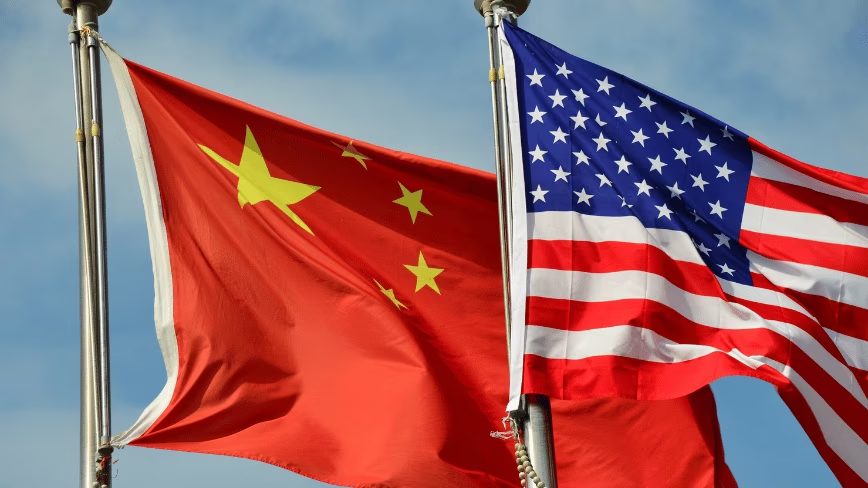
Unconfirmed plans for new US-China artificial intelligence talks could determine whether global AI governance splinters or holds, with major implications for European tech firms caught in the middle of a deepening chip dispute.
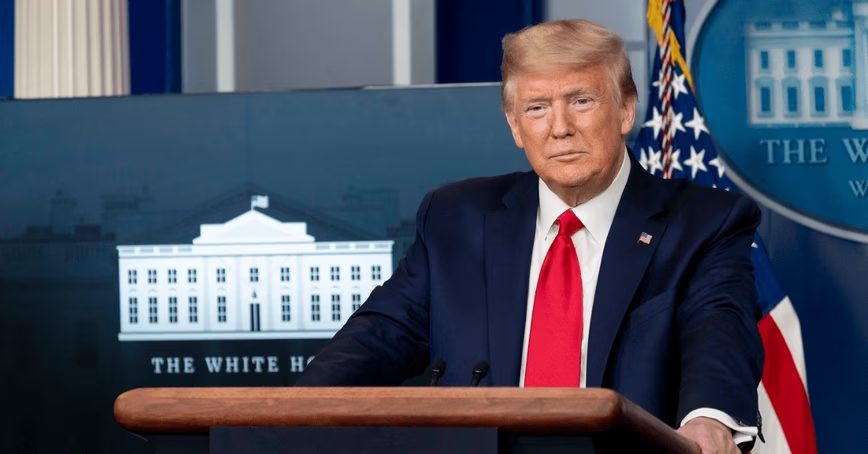
The United States and China are preparing to hold a new round of intergovernmental talks on artificial intelligence in September. Neither capital has publicly confirmed the date, but people familiar with the planning say the meeting is expected to build on a commitment made during Donald Trump’s visit to Beijing in May.
During that visit, Chinese foreign ministry spokesman Guo Jiakun said the two "leading AI powers" needed to cooperate on technology governance, while Trump said the aim was to build "guard rails" around AI. Since then, semi-official Track II discussions and a shared platform at a UN conference in Geneva have kept the dialogue alive, focusing on risks like AI-enabled cyberattacks and accidental escalation.
For European governments and tech companies, these negotiations carry significant weight. As Brussels enforces its own AI regulations, the fundamental question of who writes the global rules remains open. Xi Jinping recently argued at the World AI Conference that no single country should monopolise AI, and Beijing has proposed its own global governance body, directly challenging Western regulatory frameworks.
The economic stakes for Europe are perhaps most visible in the semiconductor sector. Washington’s strict export controls on advanced chips and high-bandwidth memory—essential for training frontier AI models—will loom over the September discussions even if they are not formally on the agenda. Beijing has repeatedly demanded these restrictions be eased, a friction point that disrupts global supply chains and forces European investors and manufacturers to navigate a deeply fragmented market.
The upcoming talks are expected to revisit familiar ground, covering AI safety, criminal misuse, and