Washington lifts supersonic flight ban as European rivals lag
The US is dismantling its decades-old ban on supersonic flights while fast-tracking air taxis, a regulatory pivot that puts competitive pressure on European manufacturers still struggling with certification timelines.
The Federal Aviation Administration has proposed a rule to end the 1973 prohibition on civil supersonic flight over US land, replacing the outright speed limit with a noise-based standard.
Aircraft could exceed Mach 1 if their sonic boom stays at or below 0.11 pounds per square foot at ground level, a threshold designed to make the shockwave inaudible to residents.
The proposal, open for comment until August 2026, follows a June executive order directing the agency to scrap the overland ban. “This means we can ultimately repeal the ban from the 1970s on supersonic flight over US territory while minimising noise impacts,” FAA Administrator Bryan Bedford said.
The move is a direct win for US firms like Boom Supersonic and Spike Aerospace. United Airlines has agreed to buy up to 50 Overture jets, though service is not expected until the end of the decade and tickets are unlikely to be cheap.
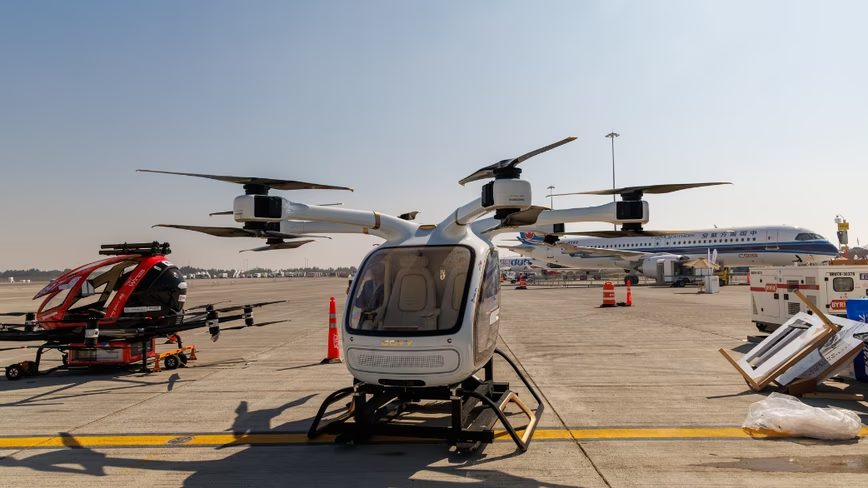
Washington is applying similar urgency to electric vertical takeoff and landing aircraft through a new pilot programme spanning 26 states. Operators including Joby Aviation, Archer Aviation, Beta Technologies, and Wisk can begin test flights this summer before receiving full type certification.
Planned routes include Manhattan heliport services and regional links across Texas. Joby recently demonstrated a seven-minute flight from JFK airport, a journey that routinely takes over an hour by road.
For European readers, the developments signal a transatlantic divergence in aviation regulation. While the US is creating accelerated pathways to gather operational data, European rivals have repeatedly slipped their timelines against stringent certification hurdles.
The American approach highlights a growing philosophy gap: Washington is betting that regulatory ambition can safely outpace traditional airworthiness timelines, a risk European regulators have so far refused to take.
Despite the political momentum, significant obstacles remain. The supersonic noise standard is only interim, a second rule covering takeoff and landing noise is unwritten, and communities living under proposed air taxi corridors have yet to respond at scale.