Oksbøl tourists get wolf safety flyers at request of local businesses
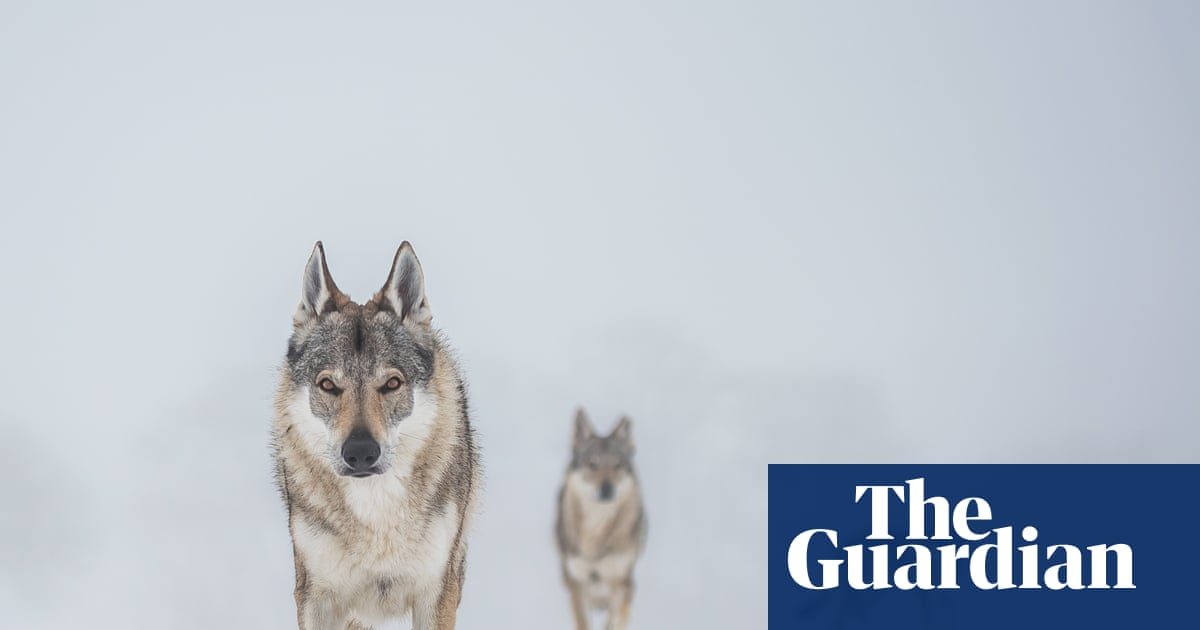
Danish municipalities are distributing wolf safety flyers to tourists in Jutland at the request of local businesses, aiming to prevent dangerous encounters as the protected species expands into popular holiday zones.
Authorities in Varde and the regional tourism board Visit Vesterhavet have begun distributing multilingual safety flyers to holiday homes, campsites, and tourist offices around Oksbøl. The materials instruct visitors to stand still, maintain eye contact, and physically resist if attacked by a wolf. The campaign follows reports that young wolves in the area have been approaching humans with unusually low flight distances.
For local businesses, the campaign is a proactive measure to manage the economic risks associated with the predators' return. Sandie Eis Ravn, Varde’s second deputy mayor, said the initiative was launched specifically at the request of local companies. “If you are visiting somewhere and you know there is a wolf in the nearby forest, to make sure you have the right code of conduct when you meet this creature,” she said.
Wolves returned to Denmark in 2012 after a two-century absence, with an estimated 49 now living on the Jutland peninsula. While no attacks on humans have been recorded in Denmark, the behaviour of young wolves near Oksbøl has raised concerns among experts. They warn that uninformed tourists may be inadvertently habituating the animals to human presence.
Peter Sunde, a wildlife ecology professor at Aarhus University, noted that at least two young wolves were observed approaching humans in the area during the winter and spring of 2026. “It has been discussed whether tourists, who may be unaware both of the presence of wolves in the area and of the basic recommendations regarding wolf encounters, may have contributed to the development of this behaviour,” he said. One of these wolves is still alive.
The situation highlights the growing friction between EU environmental protections and rural economic interests. Wolves are a protected species under EU law, a status that has sparked significant political backlash in Denmark following recent livestock losses. In April, two ponies were killed by wolves within a fortnight.
The incidents triggered a sharp political response, illustrating the pressure on local officials to manage both wildlife and public perception. Soon after the pony deaths, four MPs from the far-right Danish People’s Party were reported to the police. The politicians had shared a Facebook post calling on people to “Shoot the wolf”.
To prevent future generations of wolves from losing their natural fear of humans, Sunde stressed the need for strict public education. “It is important that people who live in or visit wolf habitats – including tourists – understand that they should neither approach wolves nor leave food that may attract them,” he said. The new flyers also advise that children under ten should be accompanied by adults in the Oksbøl area.