New UK PM Burnham scraps electricity VAT in post-Starmer reshuffle
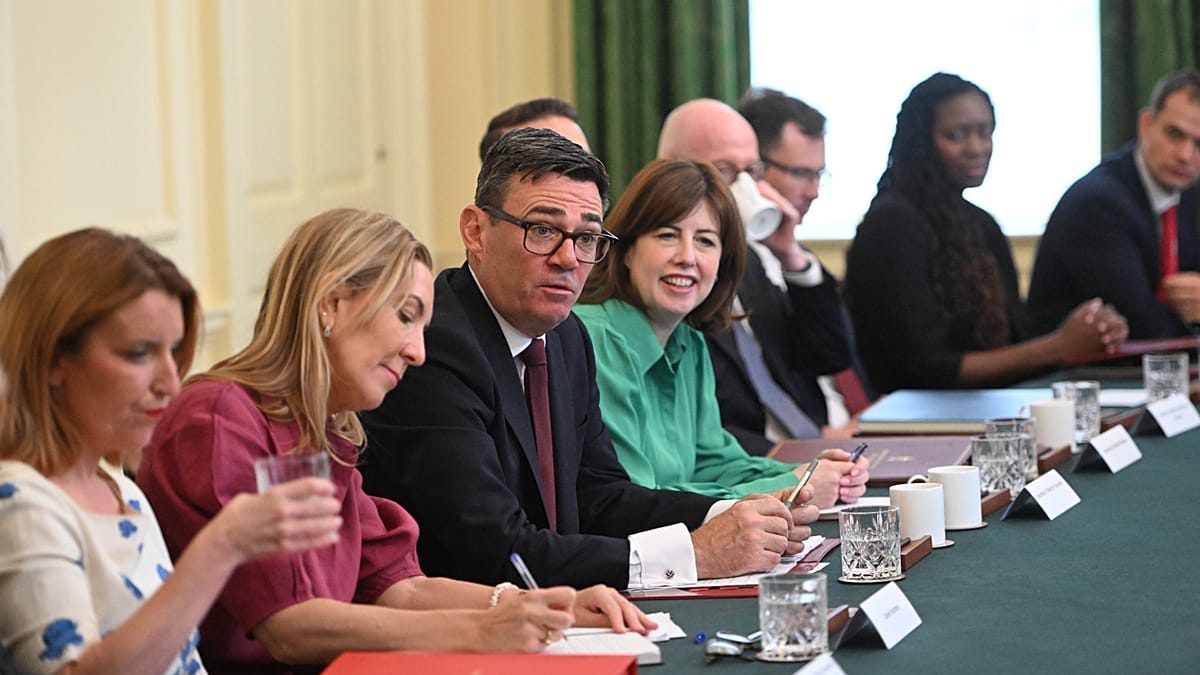
Andy Burnham has taken office as UK prime minister, immediately moving to abolish energy taxes and reshape the cabinet, though his funding plans face internal scrutiny.
Andy Burnham held his first cabinet meeting as UK prime minister, using his first full day in office to outline a sharp shift in domestic policy. The newly installed leader announced the immediate abolition of the 5% value-added tax on domestic electricity bills, starting 1 October.
The measure will save the average household approximately £45 (€52.73) annually, offering modest relief amid a prolonged cost-of-living crisis. The tax reduction is projected to cost the government £850 million (€996m) in the current financial year.
Fiscal questions remain
Burnham stated that this revenue loss would be offset by scrapping the previous administration's proposed £1.8 billion digital ID scheme. However, the arithmetic of the policy has already sparked debate within political and economic circles.
Darren Jones, a former advisor to ousted premier Keir Starmer, argued that the scrapped digital ID programme had been "unfunded." Jones challenged the new cabinet to explain exactly how it will plug the gap in tax revenue when the autumn budget is delivered.
A new political direction
Burnham ascended to the premiership earlier this week after an internal revolt by Labour MPs ousted Starmer. Despite pledging to unify the fractured party, Burnham swiftly cleared out key Starmer allies in a reshuffle that elevates his own supporters to the highest echelons of government.
The most significant personnel move saw former defence secretary John Healey appointed as finance minister, taking over from Rachel Reeves. Wes Streeting was brought back as defence secretary after dropping his own leadership ambitions to back Burnham, while former energy secretary Ed Miliband was moved to foreign secretary.
Shabana Mahmood retained her post as home secretary, continuing her oversight of migration policy. Angela Rayner also returned to the cabinet as housing minister, despite her recent resignation for breaching the ministerial code regarding property taxes.
Alongside the energy tax cut, Burnham promised wider interventions to address the cost-of-living crisis, including potential rent controls and bus fare caps. He announced a broader 10-year strategy centred on reindustrialising the British economy, expanding public housing and devolving power away from London.
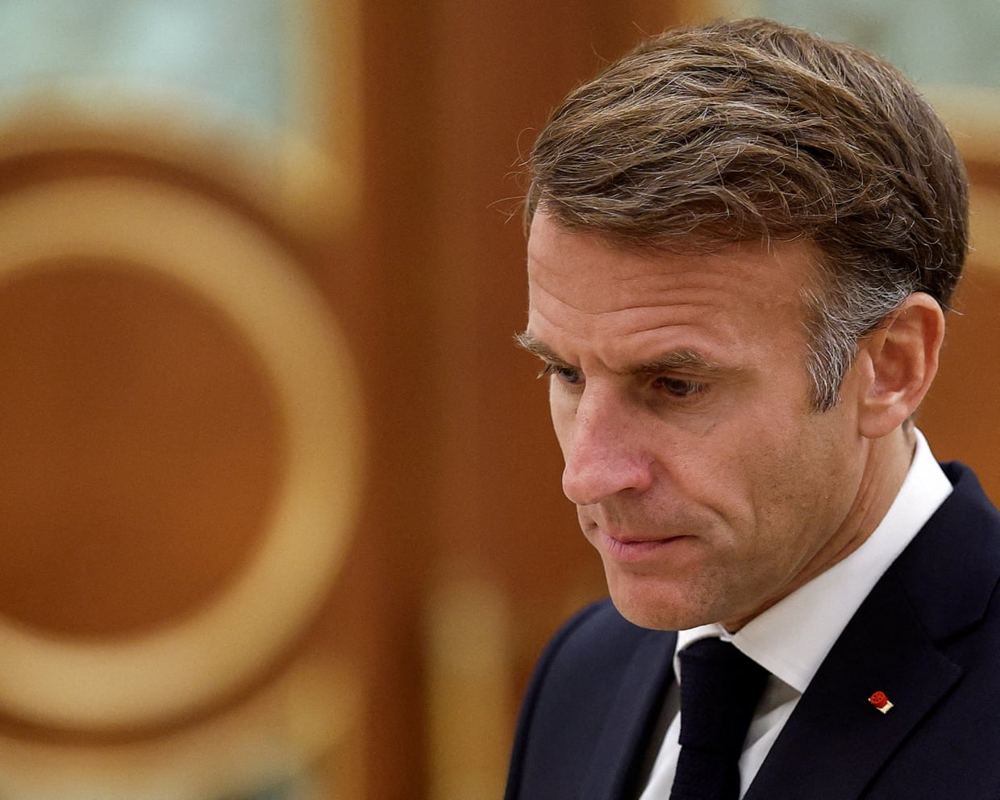
The new administration faces formidable economic headwinds, including slowing growth, elevated borrowing costs and intense political pressure over migration. As he prepares for a general election due by 2029, Burnham has begun establishing his international standing, holding initial talks with US President Donald Trump, Ukrainian President Volodymyr Zelenskyy and French President Emmanuel Macron.