New UK Foreign Secretary Miliband triggers White House concern
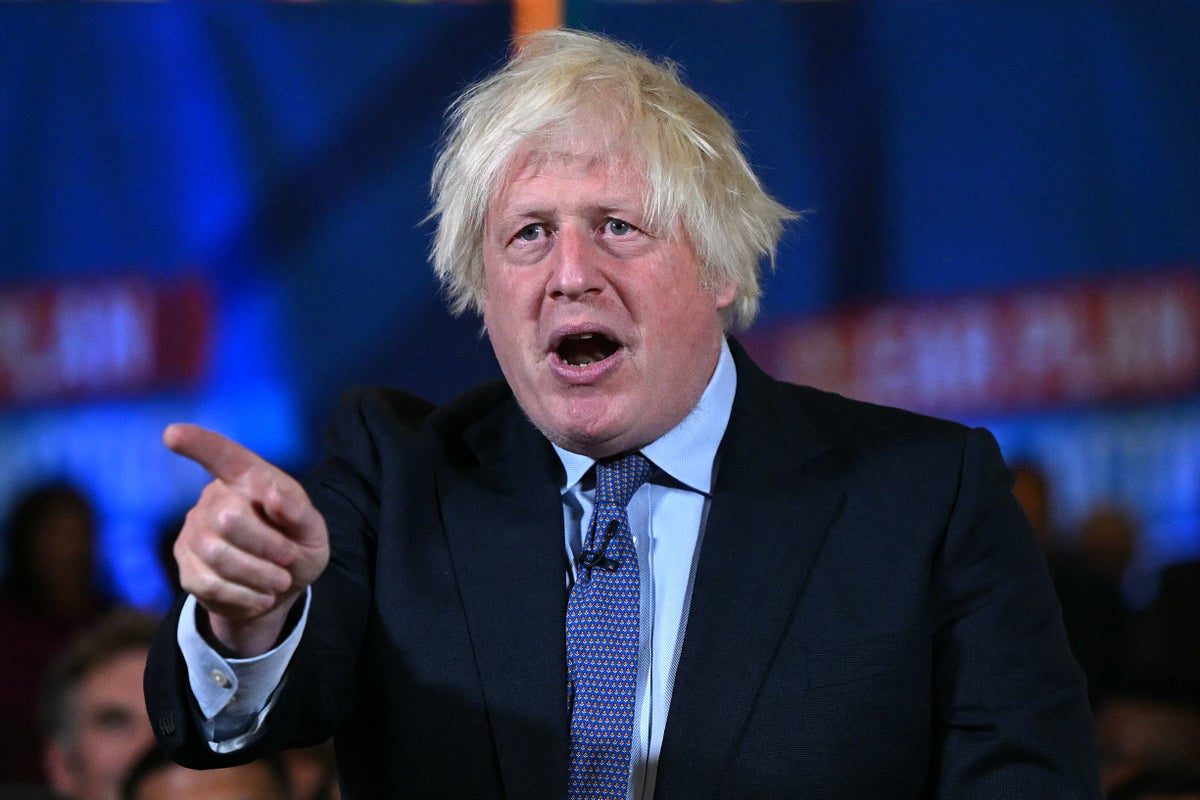
Ed Miliband’s appointment as British foreign secretary has drawn fierce criticism from former prime minister Boris Johnson and sparked anxiety within the White House, raising questions about the future of the US-UK alliance amid the Ukraine war.
Ed Miliband has been appointed as Britain’s top diplomat by Prime Minister Andy Burnham. The move immediately triggered alarm in Washington and drew sharp rebukes from former UK leader Boris Johnson.
The controversy emerged just after the new prime minister formed his cabinet. Johnson publicly blamed Miliband for Russian aggression, claiming his 2013 failure to stand up to Bashar al-Assad "led directly to Putin’s first invasion of Ukraine." Johnson added that the Kremlin will be "delighted" with the appointment.
This diplomatic fallout extends beyond British domestic politics, striking at the heart of Western security coordination. Reports indicate the White House is said to be "deeply concerned" about the new foreign secretary. Donald Trump’s cabinet has reportedly warned they would find it difficult to work with Miliband in any international-facing role.
Underlying this friction is a stark divergence in energy policy, a critical issue for European markets. As a former energy secretary under Sir Keir Starmer, Miliband has championed green energy and restricted new oil and gas drilling in the North Sea. This directly contradicts the US administration's strong support for fossil fuel expansion, complicating transatlantic trade and market strategies.
Furthermore, Miliband’s past rhetoric threatens to complicate relations during a volatile time for European defence. He previously described the US president as a "racist, misogynistic, self-confessed groper." Such historical tensions raise questions about maintaining unified Western backing for Ukraine.
UK Business Secretary Jonathan Reynolds has moved to reassure markets that the relationship will remain intact. Reynolds told Sky News that the government will work with allies across the world. He noted that while there can be a "robust exchange" with US friends, both sides ultimately defend their national interests.
For European investors and policymakers, this sudden diplomatic shift introduces fresh volatility into the transatlantic alliance. Navigating the intersection of defence commitments, energy transitions, and political animosity will now define Britain’s role in European public life.