UK axes £1.8bn digital ID scheme to fund electricity bill relief
Incoming Prime Minister Andy Burnham has cancelled the UK’s planned digital identity cards, redirecting billions in savings to ease the cost-of-living crisis following a massive public backlash against state surveillance.
The UK government has formally abandoned plans for a mandatory digital identity card system. Incoming Prime Minister Andy Burnham confirmed the sudden reversal this week, scrapping a controversial policy introduced by his predecessor, Keir Starmer.
The Treasury will redirect the estimated £1.8 billion ($2.4 billion) saved from the project to fund tax cuts aimed at lowering household electricity bills. Finance minister John Healy noted that the policy shift aims to offer citizens some “breathing room on bills, and provide some reassurance this winter” as living costs continue to climb.
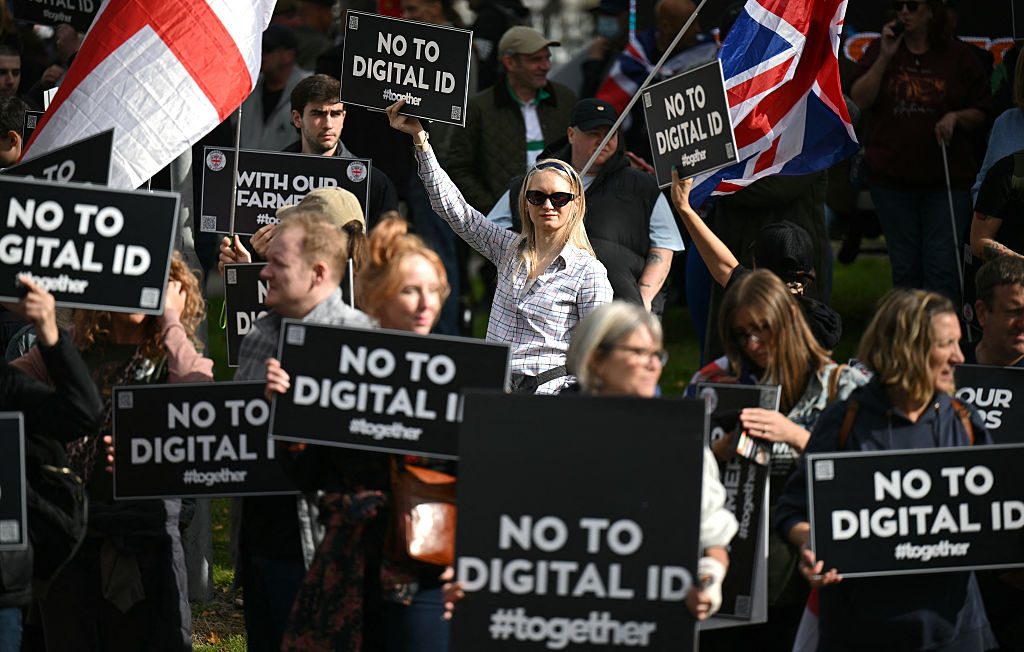
The cancellation follows an extraordinary wave of public opposition. Nearly three million Britons signed a parliamentary petition against the proposed cards, marking the second-largest such petition on record. Opponents argued that a centralized, state-issued digital identity would enable widespread surveillance by the government.
Starmer had positioned the digital ID cards as a crucial modernization of public services and a necessary tool to crack down on migrants working illegally. However, the proposal immediately resurrected historical political baggage. It drew direct comparisons to a similar national identity scheme pushed by the Tony Blair government in the 2000s, which was eventually axed in 2011 after a change in administration.
For the broader European tech sector, the UK's retreat highlights the severe political risks tied to state-led digital identity infrastructure. While the European Union is currently advancing its own framework for digital identity wallets, the British experience demonstrates how public backlash over civil liberties can quickly derail multi-billion-pound government technology projects. Tech contractors who had positioned themselves for the rollout will now have to look elsewhere for state contracts.
The exact financial fallout from the cancellation remains somewhat unclear. While the programme carried a projected three-year cost of £1.8 billion, that figure became a subject of dispute, as the funding was allegedly never officially allocated. Starmer announced his resignation on June 22, leaving the fiscal details unresolved, and Burnham was formally appointed as the new prime minister on Monday.