FIFA’s US World Cup yields billions and a new commercial model

FIFA’s 2026 World Cup in the United States generated billions more in revenue than projected, establishing a hyper-commercialized tournament model that points toward further expansion and a permanent shift of major events away from Europe.
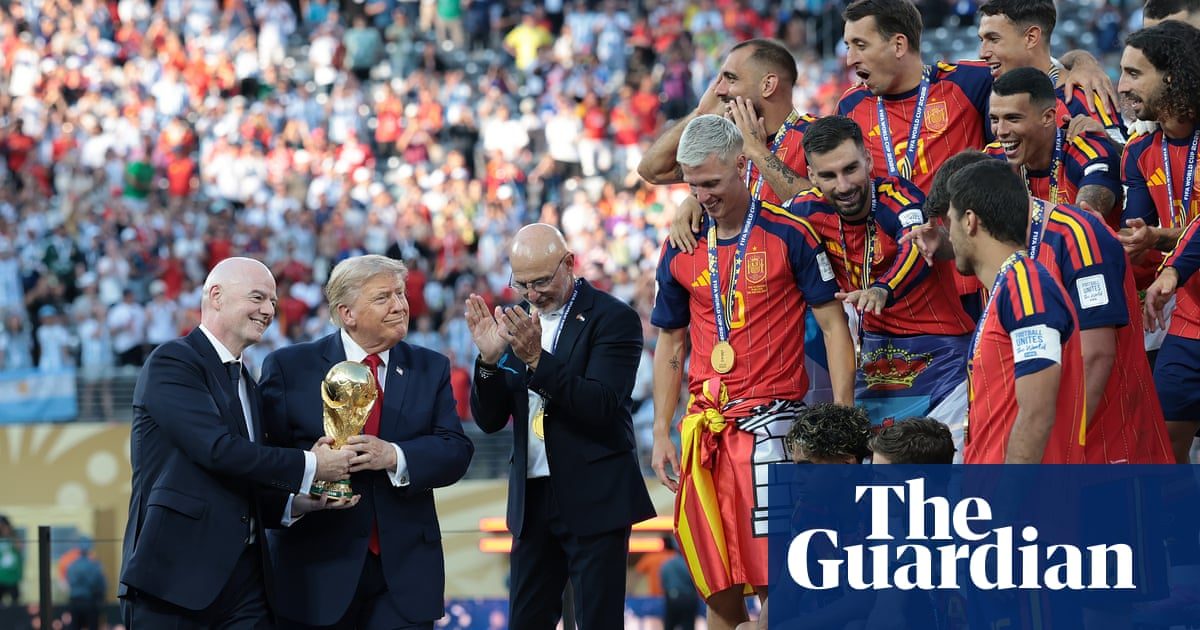
The 2026 World Cup concluded as a financial triumph for FIFA, yielding vast sums of money that exceeded the organizer’s own projections by billions. The tournament proved that an expanded 48-team field could succeed without diminishing the competitive quality of the matches.
For the broader football economy, the American edition introduced commercial innovations that will directly impact future broadcast rights negotiations globally. Mandatory hydration breaks, initially controversial, were normalized and monetized by broadcasters like Fox Sports. The value created during these interruptions is certain to be leveraged when FIFA sells its next round of media packages.
The successful expansion has already shifted the thinking of football administrators. Discussions about further bloating the tournament to 64 teams are reportedly moving from fringe theory to serious consideration in governing circles. Such a structural change would drastically alter international match calendars and place significant strain on European domestic leagues.
The event also signals a lasting realignment of football's commercial infrastructure. By the same mechanism that secured the 2034 World Cup for Saudi Arabia, a return to the United States in 2038 is now considered a strong possibility. The US is also slated to host the FIFA Club World Cup in 2029 and is the all-but-certain co-host for the 2031 Women’s World Cup.
Co-hosts Mexico and Canada achieved their own modest goals, with Mexico reaching the last 16 for the elusive fifth game in its history and Canada reaching new competitive heights despite a 3-0 defeat to Morocco. However, the overarching legacy is an Americanized model that relies on halftime shows, dynamic pricing, and constant commercial breaks while keeping the financial spoils in Switzerland.
Unlike the 1994 tournament, local organizers received no surplus funds to reinvest in grassroots football, leaving the US Soccer Federation largely marginalized. Despite high television ratings, exorbitant ticket prices prevented the event from addressing the host nation's real barrier to growth: a lack of affordable youth access in a hypercapitalist, pay-to-play system.
For European stakeholders, the takeaway is clear. FIFA has established a proof of concept that it can expand its flagship events, engage in price-gouging, and repeatedly export its premier properties to highly commercialized markets with total impunity.