Farage returns to public life amid Reform UK funding questions

Nigel Farage has made his first public appearance in months, addressing a small crowd in Norfolk as he attempts to rehabilitate his image following intense scrutiny over a £5m donation.
Nigel Farage addressed roughly 200 supporters at Kimberley Hall, a Norfolk country house, on Tuesday. The event marked his first public speech in months after a period of isolation largely spent at one of his five homes. He took no questions from the audience.
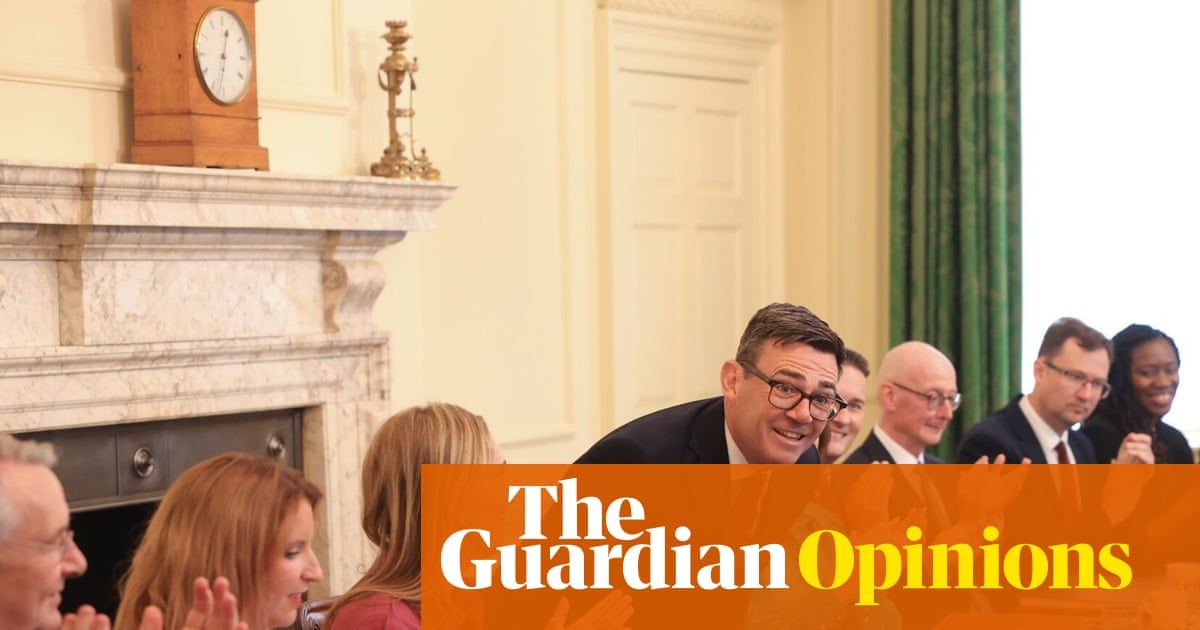
His re-emergence comes at a turbulent moment for Britain's populist right. Keir Starmer has been replaced as prime minister by Andy Burnham, who took the role without a general election. Farage acknowledged during the speech that Burnham is a credible politician and represents a tougher opponent, a shift that diminishes Reform UK's immediate leverage in Westminster.
Central to Farage's recent absence are unanswered questions about his finances. He is facing pressure to explain a £5m sum, particularly contributions linked to George Cottrell, a convicted fraudster sentenced for money laundering. Sources also indicate Farage told senior Reform UK figures he would require "a million a year" to cover lost earnings if he stood in the 2024 general election.
The party's internal dynamics remain volatile. Farage previously ousted Richard Tice as leader just weeks before the last election and later resigned his parliamentary seat in Clacton to force a by-election against a comedian wearing a dustbin on his head. Meanwhile, the event's warm-up speaker, Colin Sutton, the new Norfolk police and crime commissioner, drew attention for stating: "I don’t know much about policing, but I do know he’s an innocent man."
During his address, Farage claimed Reform was responsible for bringing down Starmer and demanded a general election. He criticised the Conservative party and right-wing press, specifically the Daily Mail and the Telegraph, for reporting on his financial difficulties and the "Kemi bounce". He also complained that Burnham had used notes 266 times during his Labour leadership acceptance speech.
The reception was notably tepid. By the time Farage concluded his remarks, a portion of the crowd had already left. For European observers tracking the UK's political stability, the diminished turnout and Farage's focus on local media grievances suggest the disruptive force that drove Brexit is currently preoccupied with its own survival rather than continental policy.