Boeing confirms fresh Air Force One cost overruns
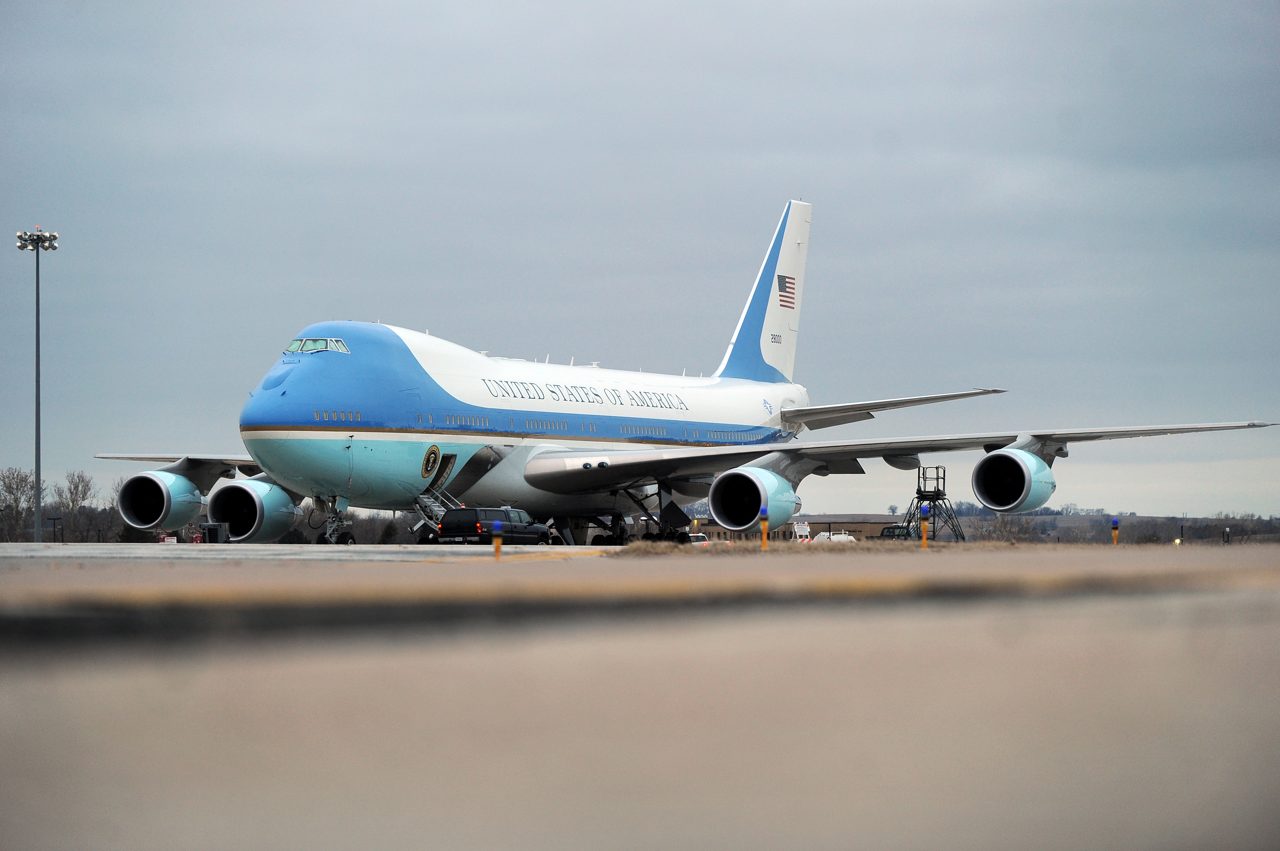
Boeing has admitted to upcoming cost increases on its delayed Air Force One program, adding fresh financial strain to the American manufacturer’s defense division.
Boeing remains on track to deliver two new Air Force One jets in 2028, but the company’s defense chief has warned that meeting this target will require additional spending. Steve Parker, CEO of Defense, Space & Security, told reporters ahead of the Farnborough Airshow in the UK that he expects the first aircraft to begin testing next year.
However, Parker was candid about the ongoing financial trajectory of the project. “I do expect to see some cost growth there as we come through and we finish off the wiring and the structures, as well as finishing up our own certifications,” he said.
The admission points to further financial pain for a contract that Boeing originally won in 2018 for $3.9 billion. Expenses have already ballooned well past the $5 billion mark as the company undertakes the complex task of converting two Boeing 747-8 aircraft into highly specialized presidential jets. These extensive modifications involve installing advanced communications and defensive systems that go far beyond standard commercial configurations.
For European investors and aerospace industry watchers gathered at Farnborough, the update reinforces ongoing concerns about Boeing’s ability to execute on fixed-price development contracts. The 2028 delivery date represents a delay of four years from the original schedule, ensuring years of unanticipated capital consumption that will continue to weigh on the industrial giant's balance sheet.
The aging nature of the current fleet, which originally entered service in 1990, has forced the US government to find temporary solutions. In May 2025, the United States accepted a luxury Boeing 747 from Qatar to serve as a bridge aircraft while the customized replacements are being completed.
That Qatari jet has officially entered service, but its operational use remains limited. Security concerns recently prompted President Donald Trump to avoid flying the Qatari aircraft home from Turkey. Instead, he opted to return to the US aboard one of the older, original Air Force One planes. This decision underscores the unique and highly sensitive security requirements that make the Boeing replacement program so technically difficult and expensive to complete.