Burnham axes Starmer's digital ID to fund energy bill cut
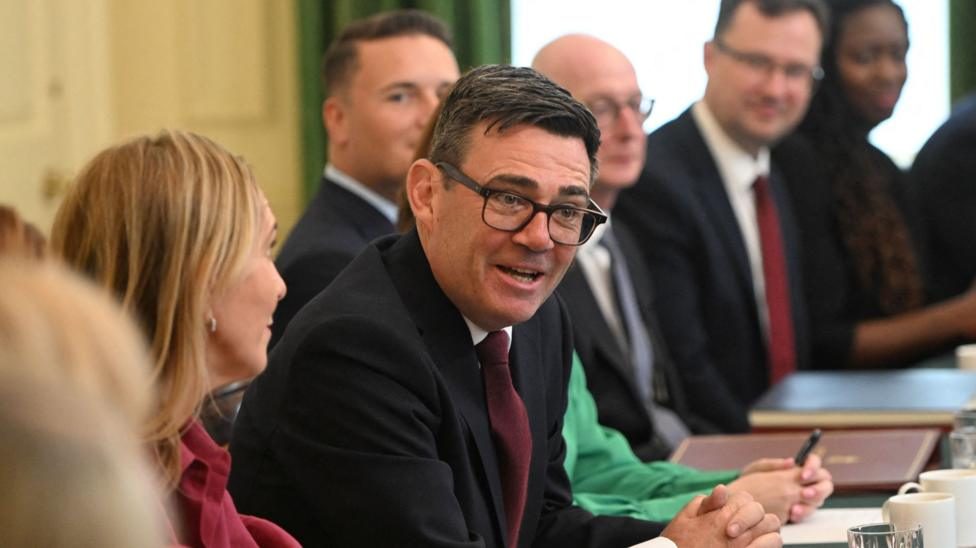
New British Prime Minister Andy Burnham has scrapped the previous government's digital identity programme to fund a cut to energy bills, sparking an immediate debate over fiscal credibility that will shape investor confidence in the new administration.
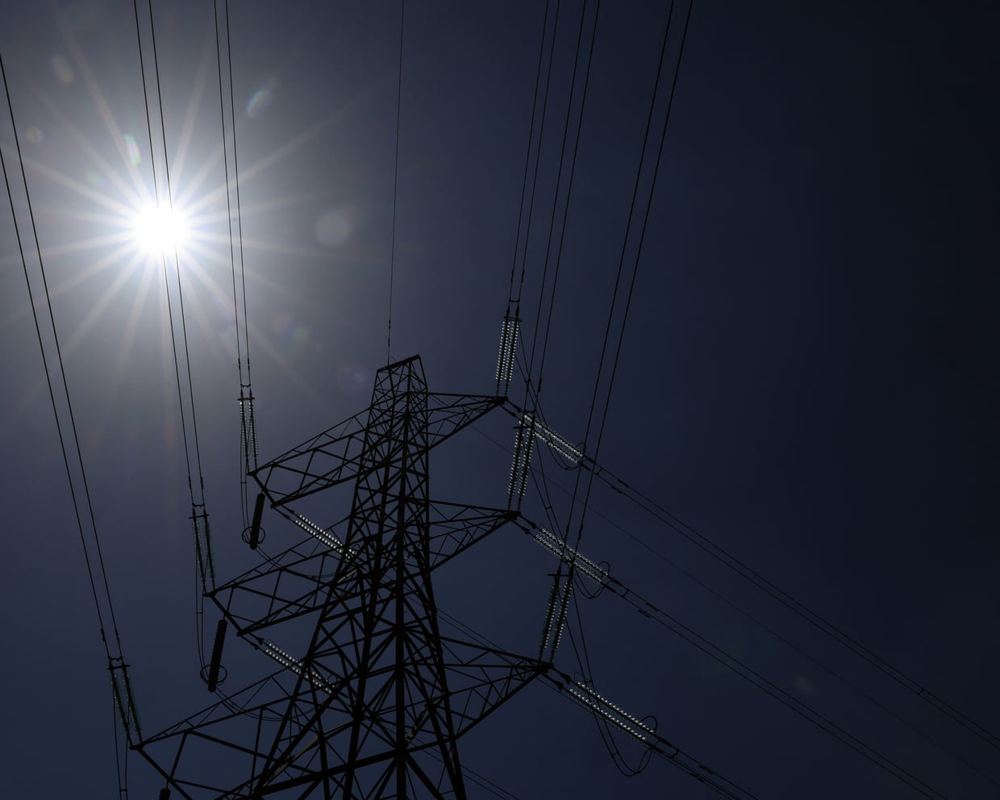
Andy Burnham used his first cabinet meeting as British prime minister to announce a reduction of VAT on household electricity from 5% to zero. The policy, taking effect in October across England, Wales, and Scotland, is the centerpiece of his promise to lead a "cost of living government." A typical household is expected to save around £45 annually.
To finance the £850m cost for the rest of the financial year, Burnham is scrapping Sir Keir Starmer’s £1.8bn digital ID scheme. The decision to cancel a cross-government technology project to fund a short-term consumer subsidy will raise eyebrows among businesses seeking digital infrastructure and investors monitoring UK public spending discipline.
The funding rationale immediately came under attack. Sacked former minister Darren Jones noted the ID scheme was "unfunded," while Conservative shadow chancellor Sir Mel Stride accused the new government of playing "fast and loose with the public finances." The government’s own budget watchdog has previously stated the ID money was to be found from within existing departmental budgets, meaning it may not represent a genuine saving.
The prime minister moved to calm markets by installing former defence secretary John Healey as chancellor following a reshuffle that ousted Starmer loyalists like Rachel Reeves. Healey told Treasury staff that fiscal discipline would be his "first duty," committing to his predecessor's tax and spending rules. However, Burnham conceded that funding new policies ahead of his first Budget will require ministers to "reprioritise" their existing allocations.
The VAT cut also exposes ongoing post-Brexit economic fragmentation, as it will not apply in Northern Ireland under rules agreed by the previous Conservative government. Instead, ministers in Stormont will receive extra Treasury money to design their own cost of living support.
Alongside the fiscal measures, Burnham is executing a structural shift in how the UK is governed. He is creating "No 10 North" in Manchester, placing local economic growth and devolution strategy under the control of a new unit initially based in a GCHQ building. London-based civil servants are being offered relocation packages as Burnham prepares to work from the new hub at least once a week.