Brussels withdraws €2m Venice Biennale funding over Russian pavilion dispute
The European Commission has withheld €2 million from the Venice Biennale over its inclusion of a Russian pavilion, triggering a legal appeal and a political clash over whether EU cultural funding must strictly align with the bloc's foreign policy.
The European Commission has formally withdrawn a €2 million grant from the La Biennale di Venezia Foundation following the institution's decision to host a Russian pavilion at the 2026 Art Biennale. The European Education and Culture Executive Agency finalized the move on Tuesday, acting on the executive branch's recommendation after concluding the foundation's explanations were inadequate.
Brussels argues that any cultural event receiving Union financial support must actively promote democratic values, diversity and freedom of expression. Commission officials justified the cut by stating that these core principles "are not respected in today's Russia," making the continued funding untenable.
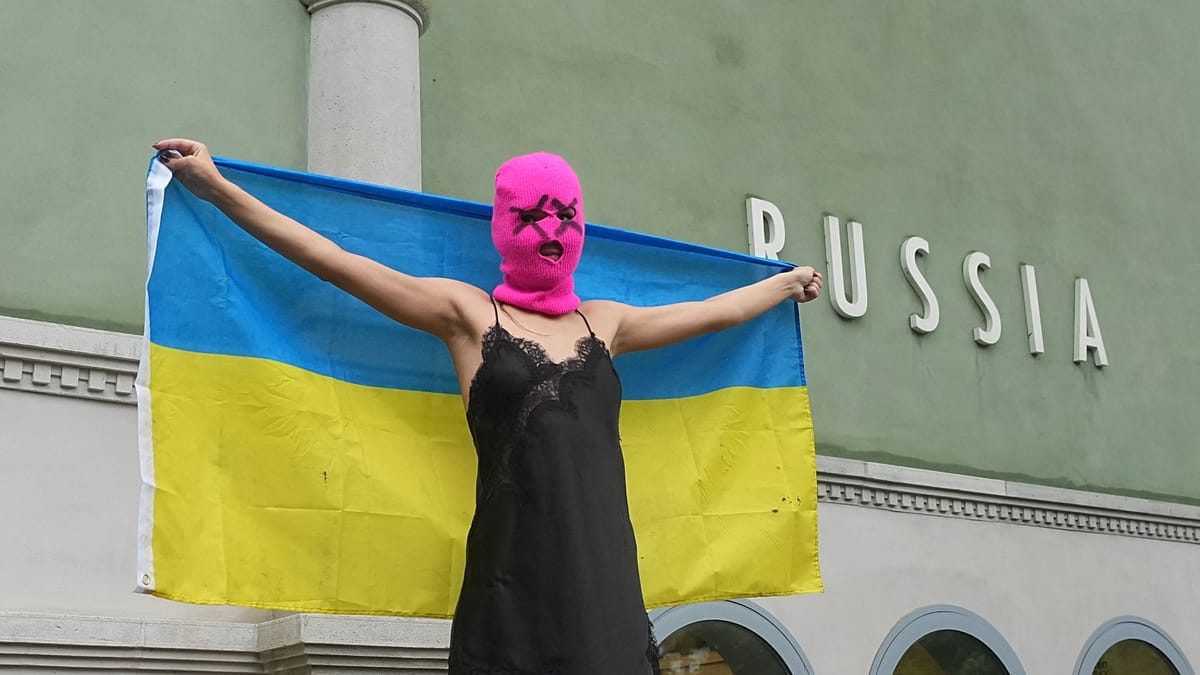
The dispute centers on Moscow's return to the prestigious exhibition for the first time since the 2022 invasion of Ukraine. The state-owned Russian pavilion is currently displaying a performance and music installation titled 'The Tree Is Rooted in the Sky', featuring works by roughly fifty artists chosen by Russian authorities.
Although the physical pavilion remains closed to the public, the installation is visible from the outside on a large screen. This arrangement has drawn fierce condemnation from Kyiv and the global arts community, who accuse Moscow of weaponizing the event for cultural propaganda and highlight the curator's alleged links to the Russian defense sector.
The foundation is preparing a formal legal appeal against the funding withdrawal, arguing that the severed financial ties are entirely disconnected from the controversial art exhibition. Management emphasized that the €2 million was specifically allocated to cinema initiatives, including Biennale College and the Venice Production Bridge, rather than the visual arts program.
The foundation noted that the money "co-funded activities that have nothing to do with Russia's participation" in the visual arts program. Officials insist the funding cut will have no material impact on their overall budget, financial accounts or the delivery of planned cinematic activities.
The financial penalty has quickly escalated into a broader political dispute between Rome and Brussels, with the Italian government rallying behind the cultural institution. Undersecretary for Culture Lucia Borgonzoni publicly endorsed the foundation's decision to challenge the measure in court.
Borgonzoni argued that the agency provided no valid grounds for a decision of such magnitude. She described the move as a "shameful political and ideological attack" on an institution that refuses to become a tool for those who "throw their weight around" the Union.
Regional leaders are also pushing back against the Commission's conditionality. Veneto region president Luca Zaia called the defunding "unacceptable," asserting that artists should not be treated as government soldiers and that cultural spaces must remain open for dialogue during international crises.
This confrontation establishes a significant precedent for how the European Union applies financial leverage to enforce geopolitical alignment within the cultural sector. As the legal appeal proceeds, it will test the exact boundaries between Brussels' mandate to protect its founding values and the traditional autonomy of Europe's major artistic institutions.