John Healey named UK chancellor as spending pressures mount
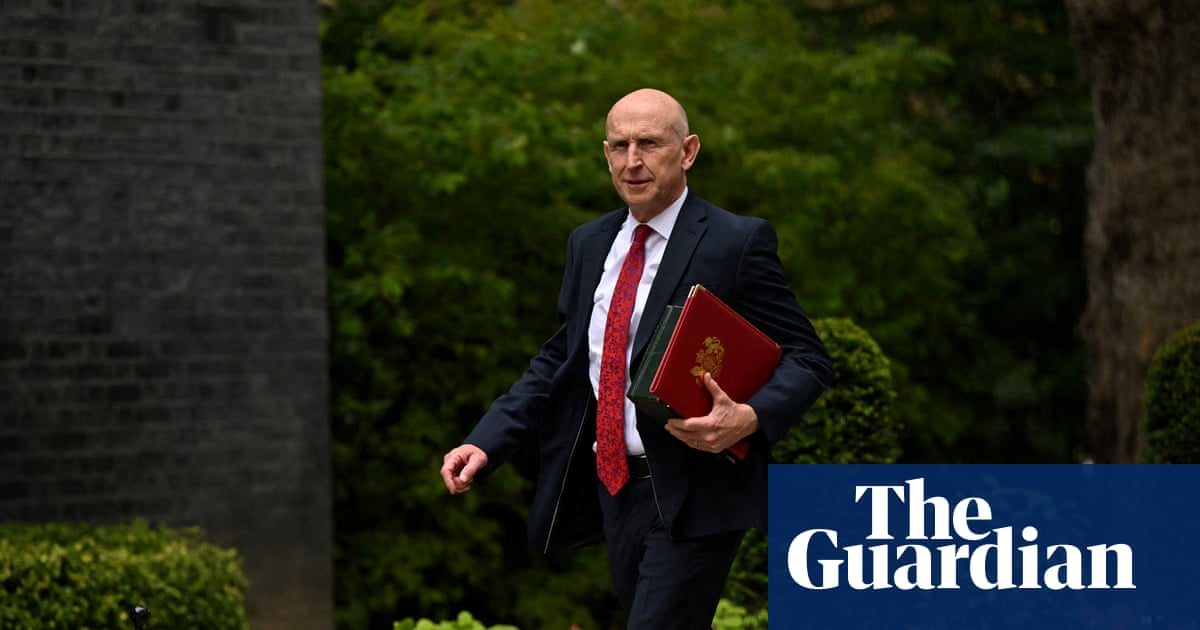
Andy Burnham has picked a former defence secretary with a reputation for demanding extra funds to manage Britain's constrained public finances.
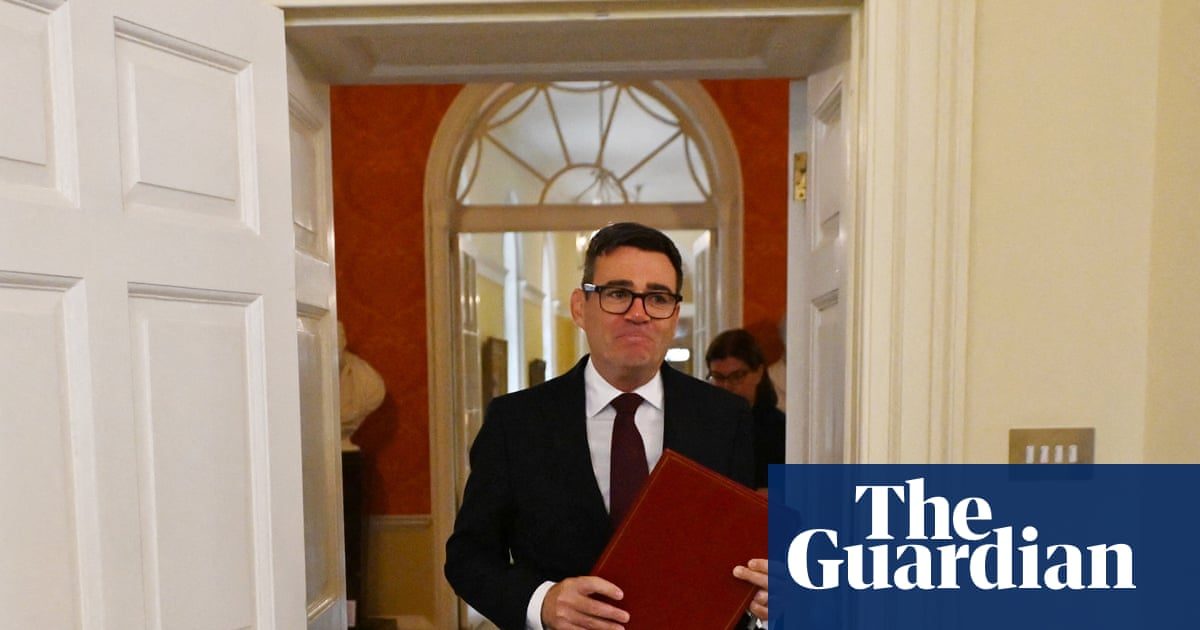
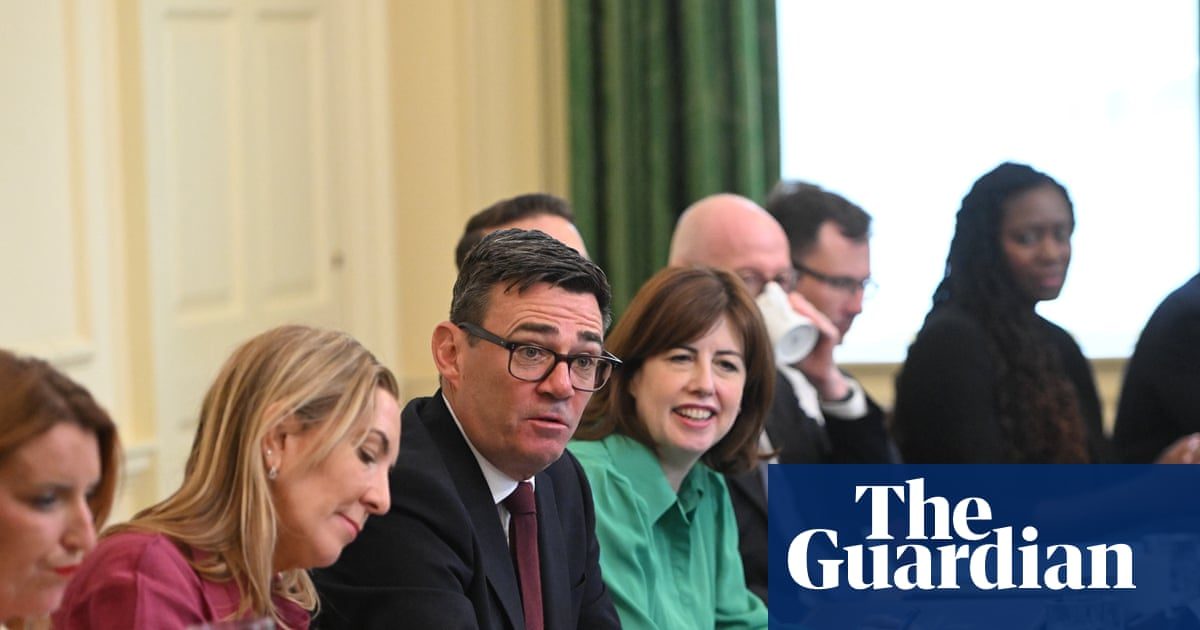
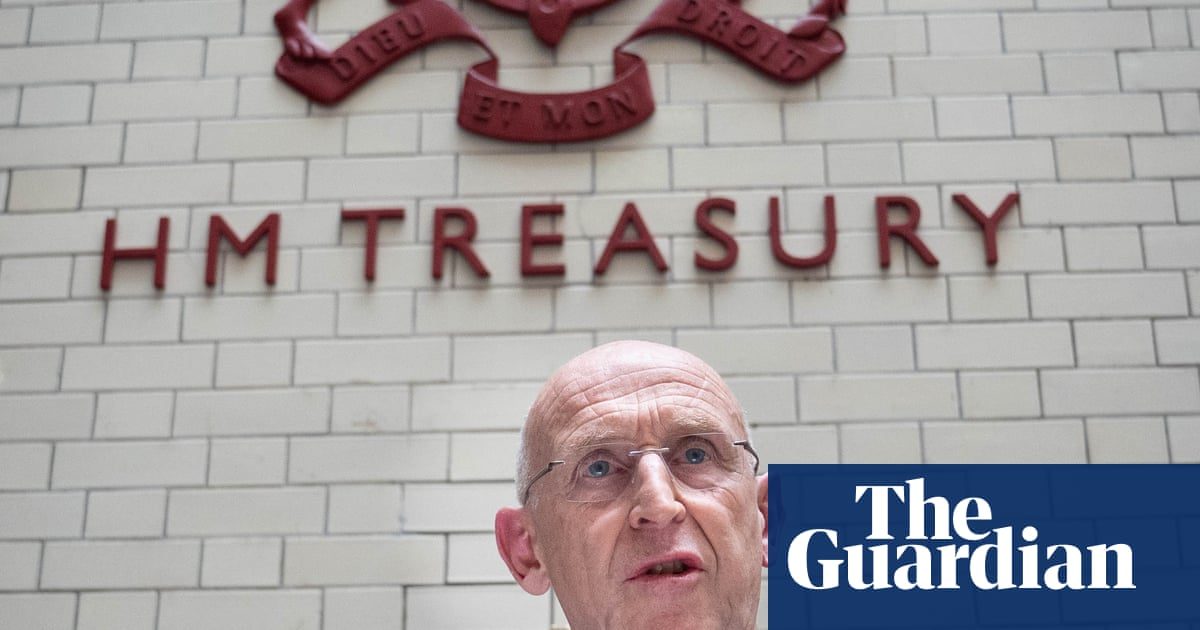
Andy Burnham named John Healey as chancellor on Monday, handing the former defence secretary the task of funding an ambitious policy agenda while respecting strict fiscal rules inherited from the previous government.
Healey replaces Rachel Reeves, who left the Treasury after a turbulent period marked by clashes over departmental spending. The appointment was the most consequential decision of Burnham's first day in Downing Street.
The new chancellor must find money for higher defence spending, the public takeover of utilities and measures to reduce living costs. Yet Burnham has ruled out raising income tax, VAT or national insurance, and pledged to stick to the last government's borrowing constraints — the same rules that limited Reeves's room for manoeuvre.
Healey's record at the Ministry of Defence offers clues about how he might approach these trade-offs. He requested an additional £28 billion for the defence investment plan, just months after agreeing a multi-year budget. Reeves and her allies saw this as evidence he had been misled by military chiefs into believing the strategic defence review was fully funded.
Those close to Healey offer a different explanation: that the extra money was needed because of new geopolitical commitments made by former prime minister Keir Starmer, including peacekeeping roles in Ukraine and the Gulf. Healey resigned in protest just days before the defence plan was published — a move some of Starmer's allies believe was part of an understanding with Burnham.
"He is definitely not a fiscal hawk or even a firm hand in the tiller as he's being portrayed by some," one former government official said. "He is a big spender."
For European investors watching Britain's fiscal trajectory, that characterisation matters. A chancellor inclined to loosen spending when ministers present compelling cases could strain the public finances at a time when gilt markets are already sensitive to perceived fiscal slippage.
A safe pair of hands — for now
Yet Healey also brings qualities that may reassure those same investors. Since entering parliament in 1997, he has avoided attachment to any single faction, earning respect from both the Blairite and soft-left wings of Labour. He served five years in the Treasury under Gordon Brown, giving him direct experience of fiscal management.
His standing within the party could prove critical. The chancellor will now have to arbitrate between departments competing for limited funds — a role that, as his successor Wes Streeting noted, involves "sacrifices from other government departments." That adjudication risks making Healey unpopular with his own MPs for the first time.
"This is being billed as equivalent to Gordon Brown appointing Alistair Darling," said one Labour official. "But it turned out Darling had views of his own which did not always chime with Brown's — Andy has to avoid making the same mistake."
The question for Britain's economy — and for European partners trading with it — is whether Healey will side with spending ministers or enforce discipline when the next funding crisis arrives.