Brussels cuts €2 million Venice Biennale grant over Russian pavilion
The European Commission has revoked a €2 million cultural grant from the Venice Biennale over its inclusion of a Russian pavilion, triggering a legal and political clash over institutional autonomy and union funding rules.
The European Commission has officially withdrawn a €2 million grant from the La Biennale di Venezia Foundation. The European Education and Culture Executive Agency formalized the decision on Tuesday following a legal assessment and a recommendation from the executive branch.
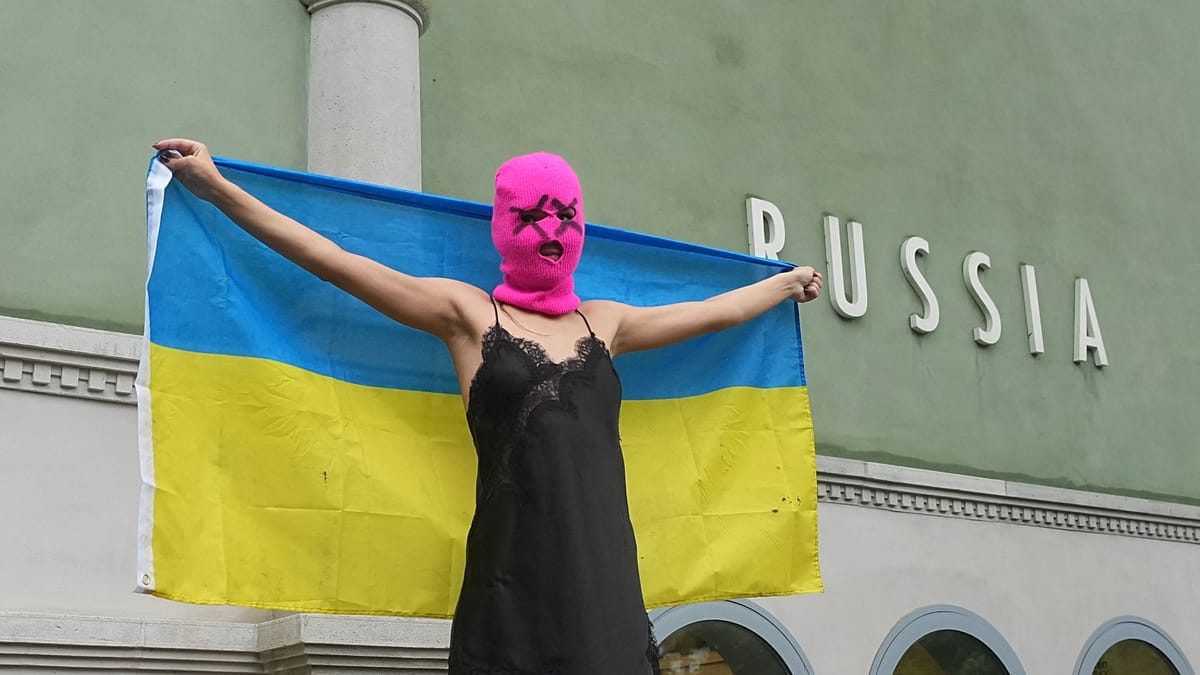
Brussels linked the funding cut directly to the inclusion of a Russian pavilion at the 2026 Art Biennale. The state-owned venue features a project titled 'The Tree Is Rooted in the Sky', which displays a performance by fifty artists selected by Moscow authorities on a large exterior screen.
The Commission argues that events receiving union money must uphold democratic values, diversity, and freedom of expression. Officials stated that these principles "are not respected in today's Russia" and deemed the foundation's previous explanations regarding the controversy to be insufficient.
The foundation plans to appeal the decision, arguing that the revoked funds were strictly allocated to cinema initiatives like Biennale College and the Venice Production Bridge. In a statement, the institution noted that the grant "co-funded activities that have nothing to do with Russia's participation in the Art Biennale" and will not disrupt its budget or planned operations.
The Russian return to the event marks its first appearance since the 2022 invasion of Ukraine. Kyiv and numerous global cultural professionals have heavily criticized the pavilion, accusing Moscow of utilizing the platform for cultural propaganda and highlighting alleged ties between the curator and the Russian arms industry.
The funding withdrawal has sparked immediate backlash from the Italian government. Undersecretary for Culture Lucia Borgonzoni pledged full support for the foundation's legal challenge against the European measure.
"In Eacea's reasoning, no grounds are set out that would justify a decision of this magnitude," Borgonzoni stated, adding that it is a "shameful political and ideological attack on an institution that creates culture and refuses to bend to become a tool for those who like to throw their weight around in the European Union."
Regional leaders have also voiced their opposition to the Brussels directive. Veneto region president Luca Zaia called the funding cut "unacceptable," arguing that artists should not be treated as government soldiers and that culture must maintain a space for dialogue during international crises.
This dispute highlights a growing friction between European foreign policy objectives and the operational independence of cultural institutions. The impending legal appeal will test the boundaries of how the European Union can condition its financial support based on the broader geopolitical actions of participating nations.