Burnham cuts UK energy taxes but flags tighter spending ahead
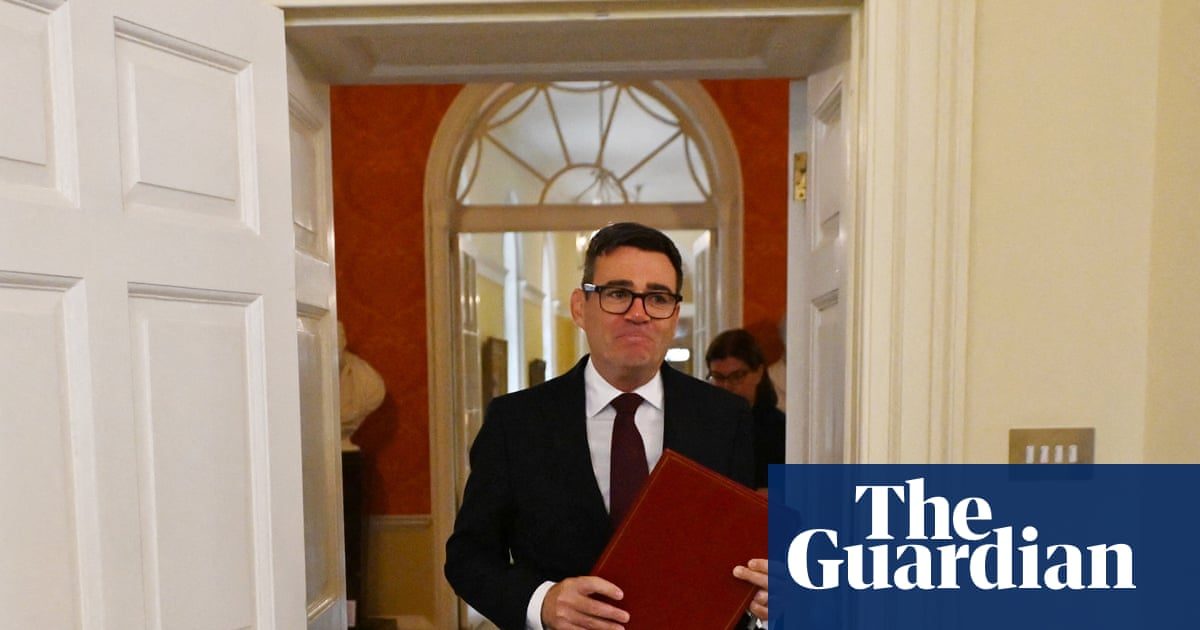
New UK Prime Minister Andy Burnham has removed VAT from electricity bills to ease living costs, but his refusal to borrow means government departments face future spending cuts to balance the books.
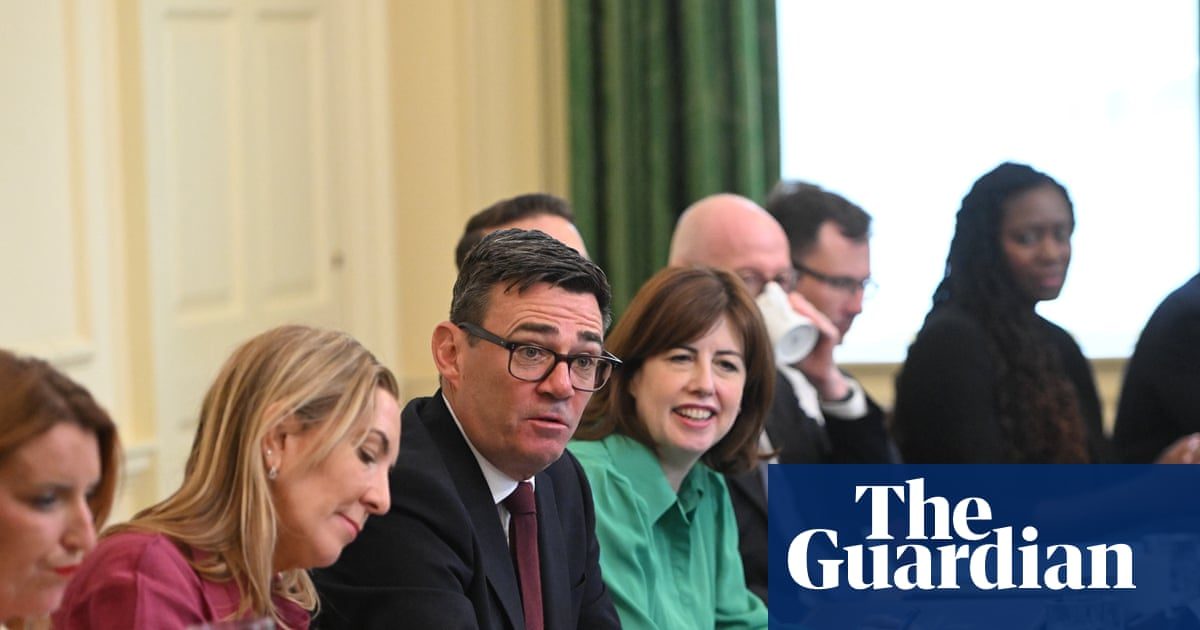
Andy Burnham used his first full day as UK prime minister to outline a series of cost-of-living interventions, beginning with the removal of VAT from electricity bills starting 1 October. The policy will reduce the electricity price cap by £45 at a cost of £850m next year, followed by a cut to the national bus fare cap from £3 to £2. “We need to be a cost of living government, getting that cost of living down, looking at all possible ways of doing that,” he told his new cabinet.
However, the immediate fiscal mechanics of these pledges have triggered a public dispute within the Labour party. Burnham proposed funding the energy tax cut by scrapping a planned digital ID scheme, but Darren Jones, the minister previously in charge of the project, contradicted this on Tuesday. “The DigitalID program was unfunded,” Jones posted on X. “The government will have to set out how it will pay for its new policies at the budget.”
Downing Street subsequently confirmed the tax cut is only financed for the next financial year, signalling that future years will require finding the money from existing departmental budgets. This points to impending spending reductions across Whitehall. The government has also firmly ruled out using defence bonds or higher borrowing to fund an expected uplift in military spending.
For investors and businesses, Burnham’s strict adherence to existing borrowing rules brings clarity, even as it constrains public spending. He has already abandoned plans to unfreeze the income tax threshold, avoiding a potential breach of his manifesto pledge not to raise income tax, national insurance or VAT. “We have got to show fiscal discipline, we have got to show our commitment to the fiscal rules is real,” he told ministers.
The prime minister is simultaneously overhauling the state’s economic machinery. Responsibility for the UK’s growth strategy has been transferred to a new hub called No 10 North in Manchester, overseen by Louise Haigh. Civil servants working on growth are being encouraged to relocate to the city with financial packages.
Looking further ahead, Burnham is preparing to accelerate the rollout of a national care service, bringing forward an independent review by Louise Casey from 2028 to potentially next year. The policy could involve tax funding or a social insurance model, both carrying political risks. “I am ready to use some of my political capital on this issue,” Burnham said. “I would not want to leave office having done what Westminster has done, not just for 15 years – actually, I think you’re getting close to 30 years. It’s not defensible. How many people have lost their homes and their savings in that time? We need to face it and fix it.”