Amazon Budget Running Shoes Challenge Premium Brands on Durability Metrics
Do expensive running shoes really perform better than budget models in head-to-head testing? We took to the lab to find out. The post We Lab-Tested $50 Amazon Running Shoes Against Name-Brand Kicks. Here’s What’s Actually Worth Buying. appeared first on Outside Online .
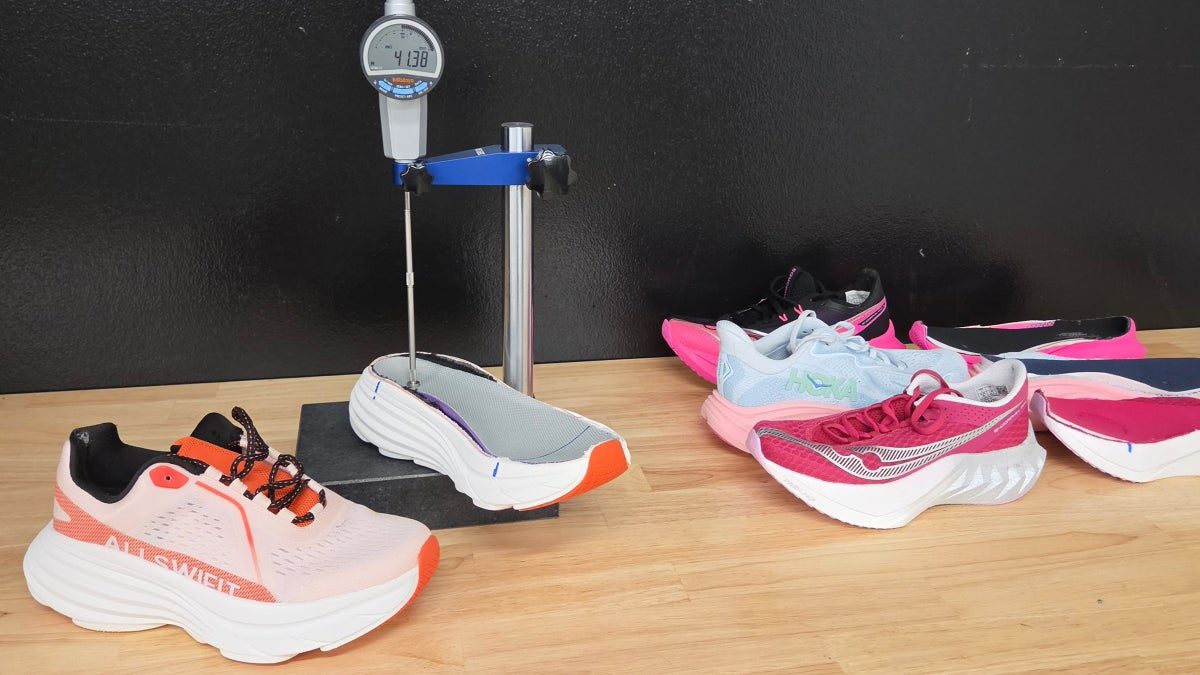
Independent laboratory testing has revealed that fifty-dollar Amazon running shoes can match premium athletic brands in specific durability metrics. The evaluation compared Amazon’s Nortiv 8 Allswifit ActiveAiry model against higher-priced offerings from Hoka and Saucony to determine if expensive footwear genuinely slows the replacement cycle.
Divergent Performance Metrics
In upper abrasion tests, the budget Amazon model earned the highest possible score for material toughness. Conversely, the significantly more expensive Saucony models received middling-to-low scores due to the thinner materials used to enhance racing performance. However, premium shoes demonstrated superior breathability, as their airy weaves allowed moisture vapor to escape more effectively than the cheaper alternatives.
The divergence in quality became apparent in foam compression and long-term wear evaluations. The budget footwear scored lowest in midsole softness, indicating a stiffer underfoot feel compared to the responsive engineered foams of Hoka and Saucony. While all models performed similarly after twenty-five miles of simulated running, premium shoes showed superior overall resilience at the hundred-and-twenty-five-mile mark.
The Amazon model exhibited the lowest outsole durability scores during extended testing, characterized by excessive rubber shedding. This rubber outsole is critical for providing grip and protecting the midsole foam in high-impact areas over hundreds of miles of training.
Market Implications
For the broader athletic apparel market, these findings highlight a clear bifurcation in consumer value. Budget e-commerce offerings are increasingly viable for casual runners who prioritize basic construction and immediate cost savings over advanced performance features.
Established brands, however, maintain a defensible premium through proprietary foam technology and verified long-term durability. Investors and companies should note that while cheap alternatives can replicate basic wear resistance, the higher price points of name-brand footwear are directly tied to measurable performance advantages over extended use. This dynamic suggests that premium athletic companies can safely maintain higher margins on their flagship models, as the core engineering justifies the cost for dedicated runners.