US requests $67.1bn for Iran war as Hormuz transit crisis deepens
The Pentagon has requested $67.1 billion in emergency funding for the Iran war, a conflict that has killed 14 merchant mariners and severely disrupted commercial shipping through the strategically vital Strait of Hormuz.
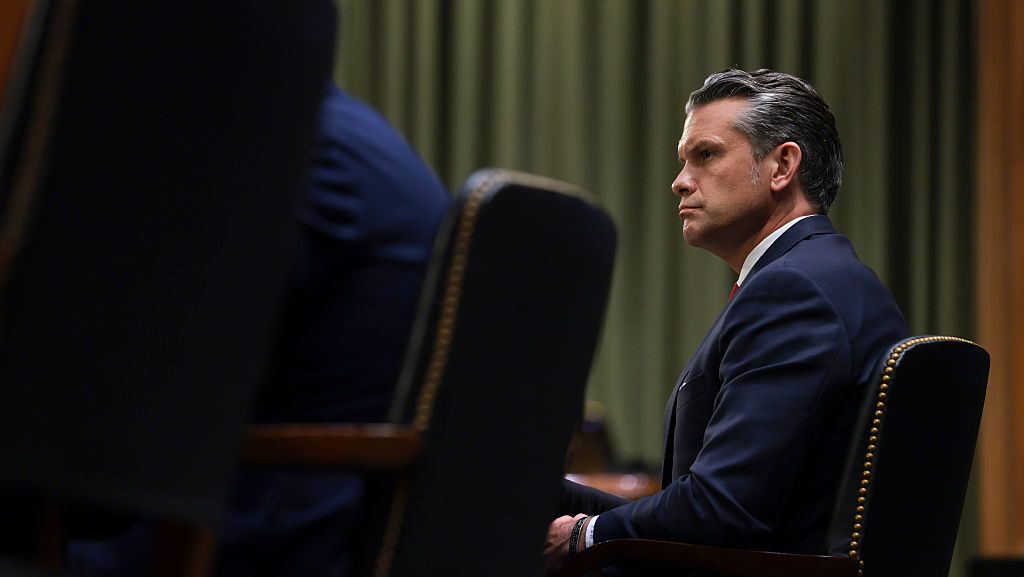
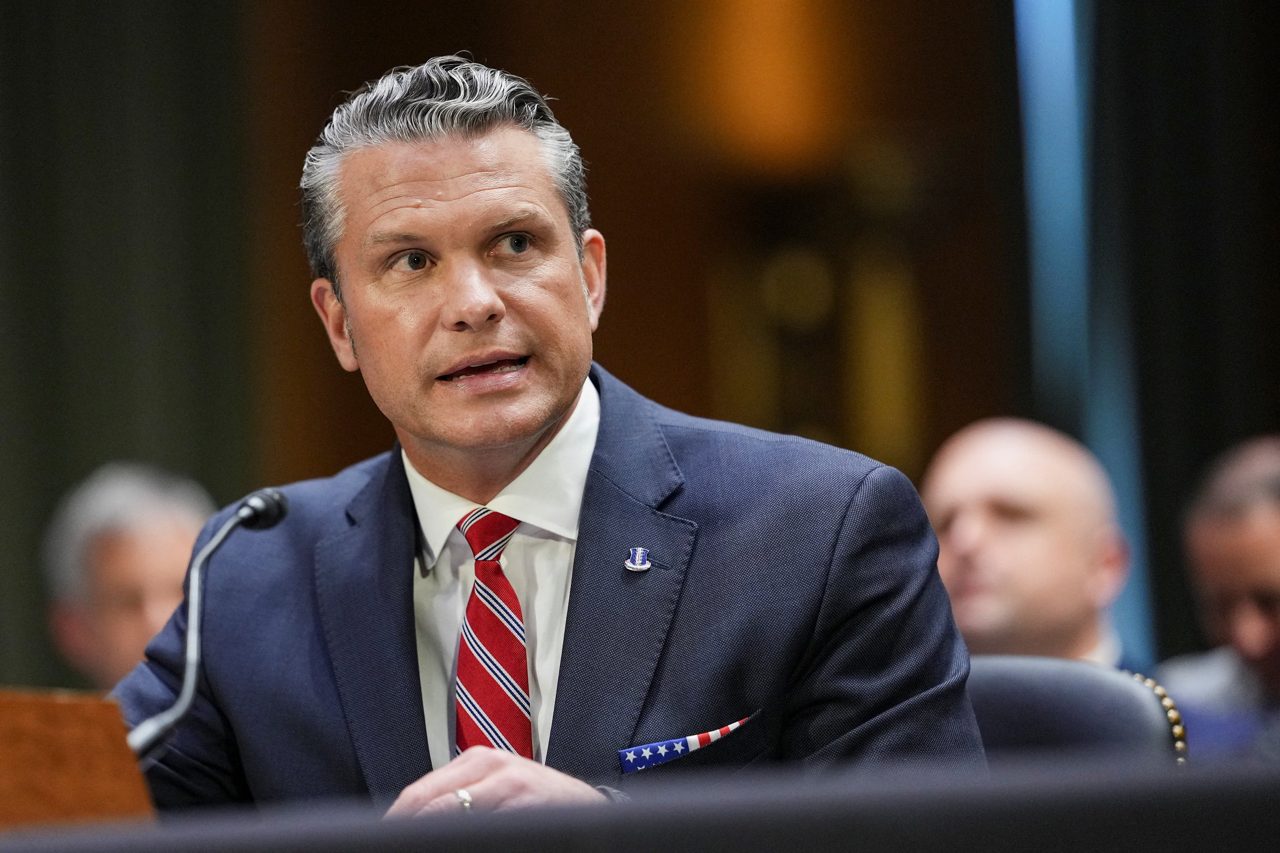
The Pentagon has asked the US Senate for $67.1 billion in emergency funding to sustain the war in Iran, which has sharply escalated over the past two weeks. Secretary of Defense Pete Hegseth told the Senate Appropriations Committee on Tuesday that the conflict has cost $37.5 billion to date, up from $29 billion in May. The US military has conducted consecutive air strikes for the last ten days, resulting in four American deaths in the past four days and bringing the total US casualty count to 18.
For European economies, the most immediate concern lies in the Strait of Hormuz. At least 14 merchant mariners have been killed in attacks there, according to the International Maritime Organization. Transits through the strategic waterway have decreased dramatically as Iran reasserts control, threatening the flow of energy supplies that are critical to European industry and consumers.
Lawmakers from both parties voiced deep skepticism over the size and structure of the funding request. Senator Patty Murray noted that the Department of Defense received over $1 trillion last year and has requested $1.3 trillion this year, arguing the supplemental is packed with unrelated priorities. “The president’s request is not even a primarily a request to cover the costs of the Iran war,” Murray said. “This request is chock full of asks to fund unrelated DoD priorities.”
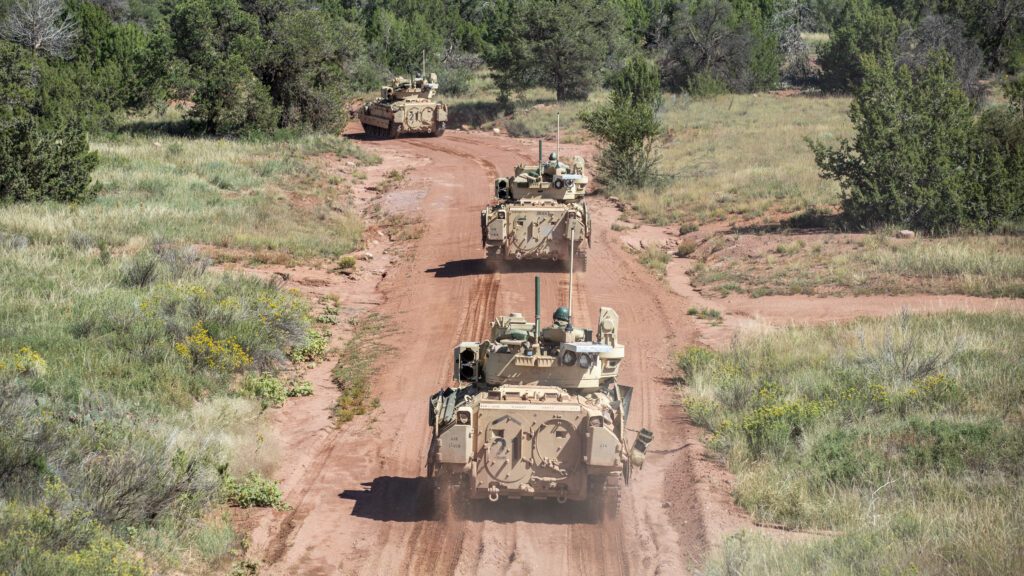
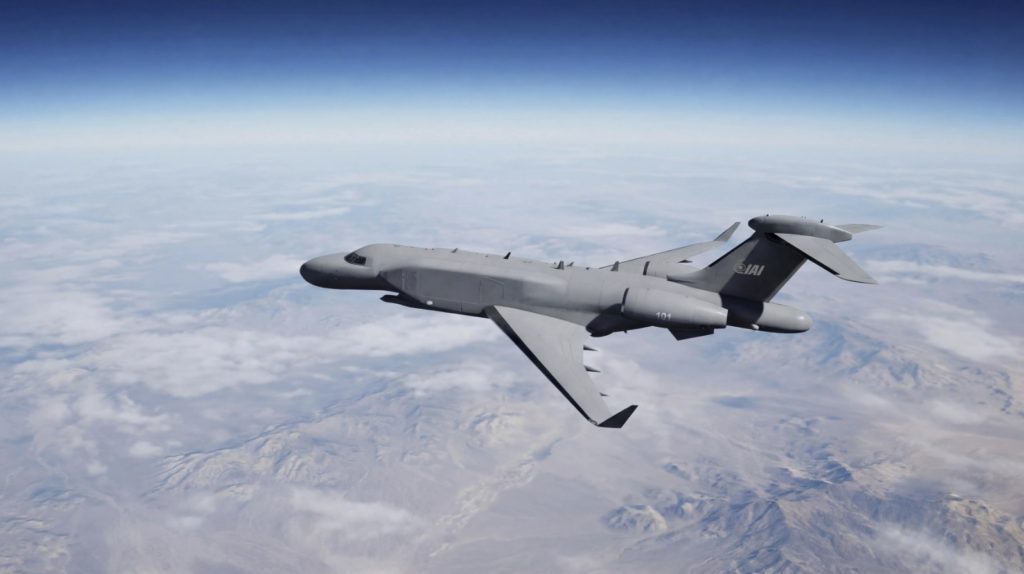
Of the $67.1 billion requested, only $32.7 billion is directly earmarked for the ongoing operation. The remainder covers munitions, cybersecurity, drones, classified programs, and domestic border deployments. Senator Kristin Gillibrand questioned the spending priorities, telling Hegseth: “You’re asking for $1.5 trillion, unlimited money for bombs, but insufficient money for the American people for their healthcare, their food, their housing.”
Hegseth defended the request as an “urgent, necessary injection of resources” based on new global realities. General John Caine, chairman of the Joint Chiefs of Staff, warned that US adversaries are aligning and sharing technology, accelerating the pace of conflict. Caine was pressed by Republican Senator John Kennedy on the administration's strategy regarding the Strait of Hormuz and Iran’s nuclear program. “We need straight answers!” Kennedy told Hegseth.
The hearing also touched on broader geopolitical uncertainties for Europe. Caine stated plainly that he wants Ukraine to win its war with Russia, describing the US-Russia relationship as complicated but affirming: “I don’t think they’re our friends.” Separately, Republican Senator Lisa Murkowski sought assurances that passing the supplemental would not restart the 60-day clock on a War Powers Resolution passed by the Senate in June.
The human toll of the Iran conflict continues to mount, with more than 440 US troops injured as of Tuesday. Two senators raised concerns that injured service members are not receiving proper medical care or screenings for traumatic brain injury. Hegseth maintained that “every effort was made to provide every level of medical care possible.”