Brent hits $92 as US-Iran war disrupts a fifth of global oil
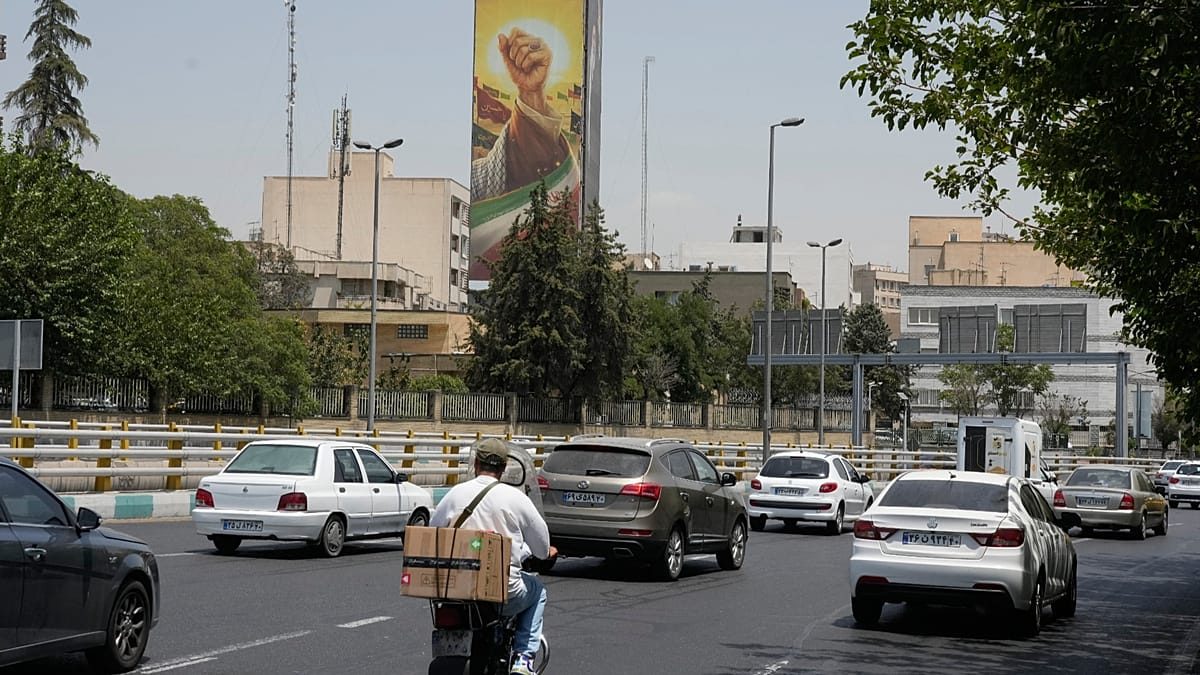
US strikes on Iran entered an 11th night and Tehran expanded attacks on Gulf shipping, pushing Brent crude to $92 a barrel and threatening Europe's energy supply.
The United States launched an 11th consecutive night of strikes against Iran early on Wednesday, while Tehran broadened its offensive against Gulf states, hitting targets in Bahrain, Jordan and Kuwait. US President Donald Trump explicitly rejected the prospect of negotiations, signalling instead that American forces might soon target Iran's main uranium enrichment sites. "They want to desperately meet. And until they're ready to meet in a meaningful way, we have no interest in meeting," Trump told reporters.
For European markets, the immediate consequence is playing out at the Strait of Hormuz. Before the conflict, the critical waterway transported roughly a fifth of the world's crude oil and natural gas. As both sides target civilian infrastructure to gain leverage, the threat to commercial shipping has driven the international benchmark, Brent crude, to $92 per barrel.
Disruptions to the waterway are already materialising. Iran's Revolutionary Guards claimed responsibility for attacking a tanker on Tuesday, forcing its crew to abandon the vessel. According to the US Central Command, Iran has attacked more than 30 commercial vessels transiting the strait over the past three months, prompting US strikes on drone storage, aircraft hangars and maritime infrastructure to protect shipping routes.
Diplomatic efforts to halt the escalation appear stalled. Pakistan is attempting to salvage the interim agreement that collapsed recently, with Prime Minister Shehbaz Sharif holding closed-door talks with Iran's Interior Minister Eskander Momeni. Sharif expressed "deep concern" over the conflict and urged "all sides to exercise restraint and refrain from actions that could further destabilize the region."
The conflict's financial toll is rising rapidly, suggesting a protracted fight that will keep energy markets on edge. US Defence Secretary Pete Hegseth told the Senate on Tuesday that the war has cost $37.5 billion (€32.9bn), up from $29 billion (€25.4bn) in mid-May. Hegseth requested $67 billion (€58.7bn) in supplemental funding, calling it "urgent" and "necessary," even as some Republican lawmakers worry the prolonged war is becoming a political liability ahead of midterm elections.