UK grid operator probes cover-up claims after heatwave strain
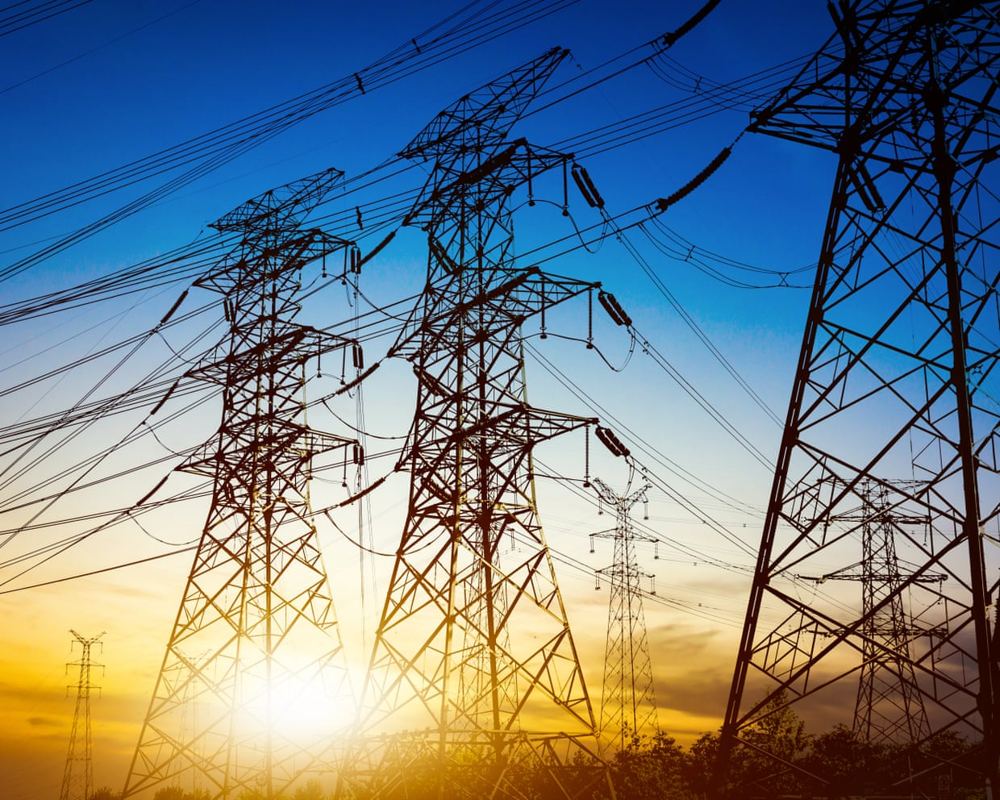
Britain's state-owned grid operator has launched an independent investigation following whistleblower allegations that managers suppressed records of severe power system strain during a summer heatwave, exposing the vulnerabilities of Europe's energy transition to extreme weather.
The National Energy System Operator (Neso) has hired law firm Eversheds Sutherland to investigate claims that senior staff ordered control room workers to skip standard record-keeping during late June’s extreme temperatures. The allegations, brought to parliament by shadow energy secretary Claire Coutinho, suggest managers tried to hide the true extent of grid instability to protect the organisation's reputation.
A late June "heat dome" slowed wind turbines, disrupted gas plants, and curtailed nuclear power imports from France just as British demand for cooling surged. Consultancy LCP Delta noted that the heatwave created grid conditions typically seen only during deep winter shortages, forcing Neso to deploy emergency tools for the first time in a summer period.
Data shows grid frequency dropped to 49.66Hz on 23 June, lingering near the lower edge of operational limits for almost an hour. While safely above the 49.5Hz statutory threshold that triggers automatic power cuts, a former employee warned that operating at these levels for prolonged periods leaves the system highly vulnerable to unexpected shocks. They noted that a 0.2Hz deviation represents a significant technical vulnerability where a strained grid might fail to absorb unforeseen events.
Maintaining stability came at a high financial cost. Neso spent almost £800,000 paying consumers to reduce usage between mid-April and mid-July, while relying on emergency gas generation that cost millions of pounds. The operator also repeatedly breached normal trading limits on subsea interconnectors, at one point making an emergency call for 500MW from the Netherlands.
The controversy highlights the mounting political and operational pressures facing grid operators as Europe transitions to renewable power. Neso became a state-controlled body late in 2024 after the government acquired it from National Grid for £630m. The shift in ownership means engineers now navigate the clean energy rollout under intense political scrutiny to keep the lights on without a hiccup.
Neso director Craig Dyke stressed that no customers lost power, frequency remained within legal bounds, and no infrastructure was overloaded. Chief executive Fintan Slye told regulator Ofgem that the organisation has strict procedures to prevent undue influence on control room staff. The results of the independent investigation will ultimately be published.