Ukraine sacks army chief as EU targets Russian banks
Ukraine's president fired his military chief after mass protests, while EU envoys prepare a sanctions package targeting over half of Russia's internationally connected banks.
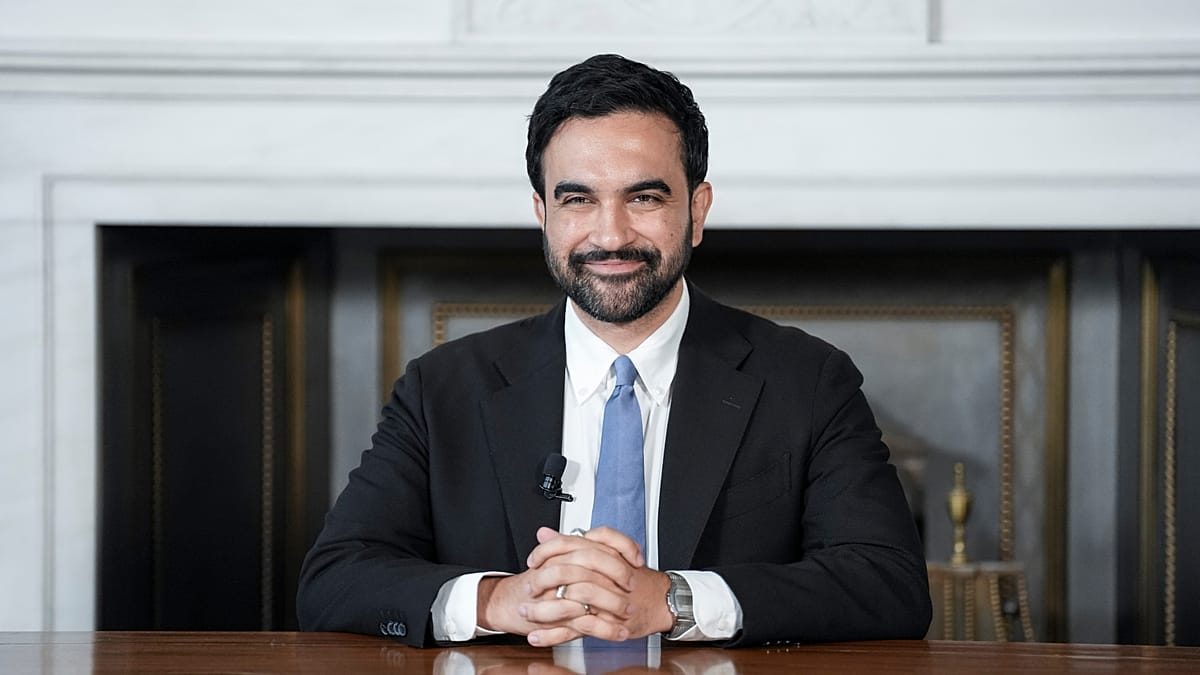
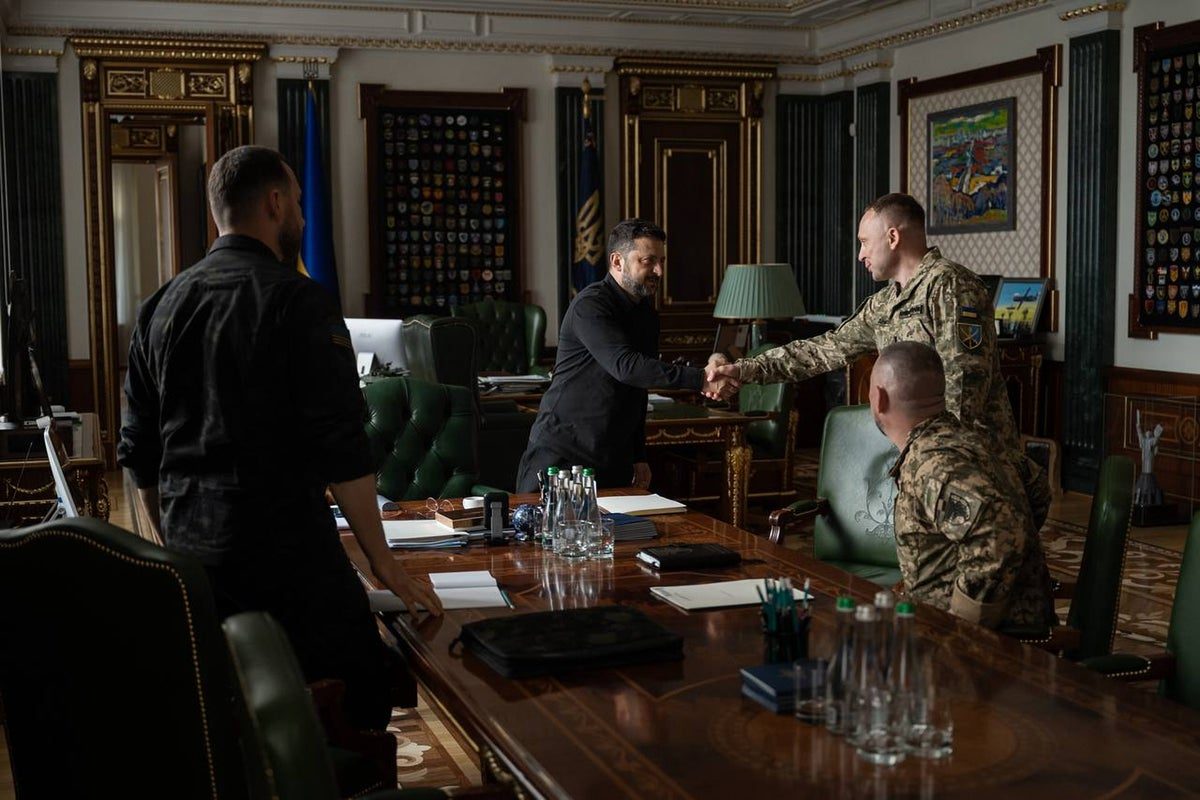
President Volodymyr Zelensky has fired General Oleksandr Syrskyi and appointed Major General Mykhailo Drapatyi following nationwide protests demanding the commander's removal. The public unrest erupted after the dismissal of former defence minister Mykhailo Fedorov, whom protesters viewed as a driver of military modernisation, in contrast to Syrskyi's Soviet-style command culture.
Russian commentators celebrated the internal friction, noting that Fedorov had masterminded long-range drone strikes on oil facilities that caused a domestic fuel crisis. Syrskyi pushed back against the criticism, stating he was handing over "an army that is not only holding the defence but is also on the offensive" after recapturing 700 sq km of territory this year.
Zelensky has offered Fedorov a "respected position" to unify the country's technology sector, though it remains unclear if he accepted. The president vowed that "deep strikes" on Russia will continue under Drapatyi, a 43-year-old combat veteran who has spent a decade in the field and is known for stabilising critical front-line sectors.
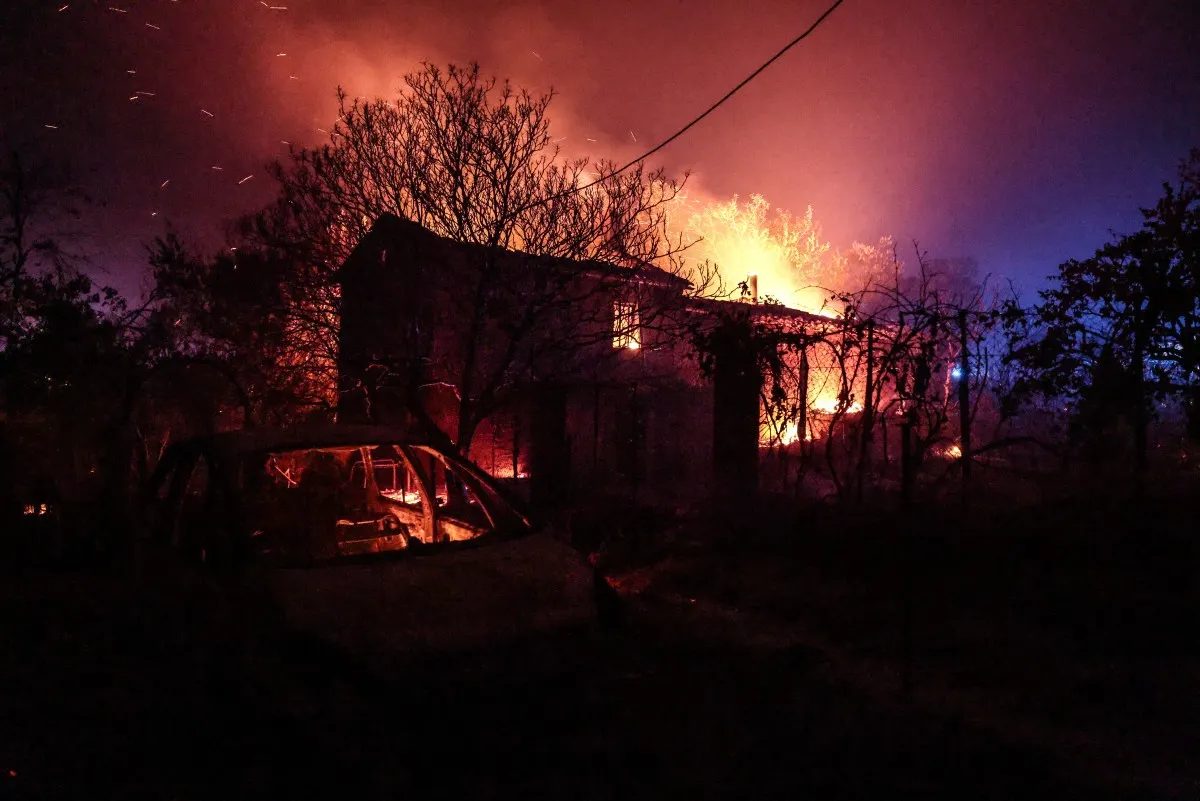
The leadership upheaval coincides with an immediate escalation in maritime hostilities that threatens European supply routes. Moscow attacked a Ukraine-bound gas tanker near Romania's coast, a strike confirmed by Romanian president Nicusor Dan. Russia has pledged to step up attacks on ships supplying Kyiv, while Ukrainian drones hit 13 Russian vessels in the Black Sea and Sea of Azov over the past 48 hours.
In Brussels, EU diplomats are negotiating a 21st sanctions package designed to punish Moscow's financial sector. The package targets 215 individuals and entities, including 94 financial institutions. This would bring the total number of sanctioned Russian banks to over 100, encompassing more than half of the country's 213 internationally connected lenders.
The measures aim to discourage third countries from maintaining financial ties with Russia. A European intelligence report warned in June that Russia risked an "explosive" banking crisis, a shock these new sanctions could realistically trigger. Meanwhile, European allies are scaling up their own defence capabilities, with Italian foreign minister Antonio Tajani setting a timeline for the country to reach NATO's 5% of GDP spending target within the next decade.