Burnham appoints Starmer's former critics to UK cabinet
Andy Burnham has handed senior government roles to several politicians who helped oust Keir Starmer, exposing lingering internal divisions within the ruling Labour party.
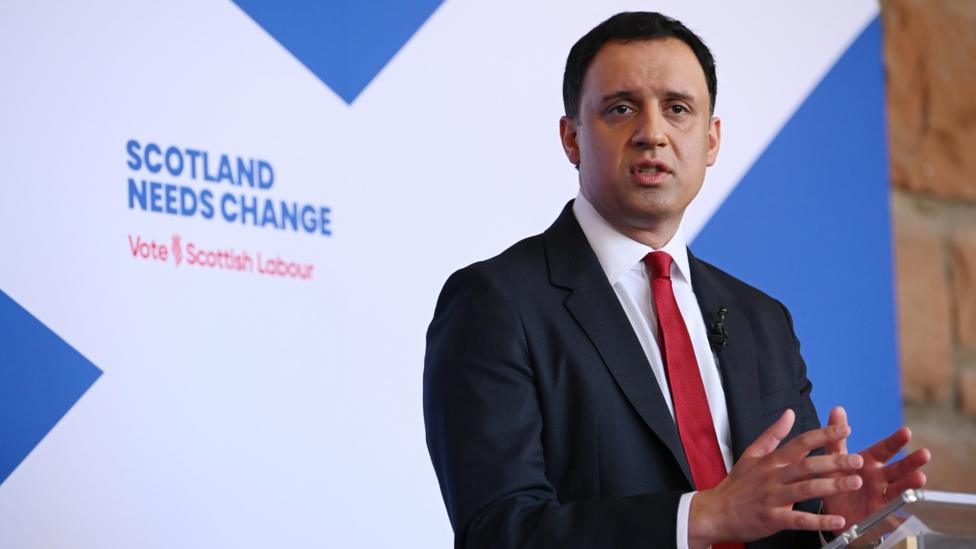
Scottish Labour leader Anas Sarwar is joining Andy Burnham’s government as a minister after being appointed to the House of Lords. His arrival at Westminster marks a significant shift, placing a key figure in the downfall of former prime minister Keir Starmer at the centre of the new administration.
In February, Sarwar publicly called for Starmer to stand down. That moment represented a period of severe jeopardy for the former prime minister, briefly threatening an immediate collapse in his authority before cabinet ministers rushed to social media to declare their loyalty. Five months later, Sarwar is swapping the Scottish parliament for a role in the UK government.
He joins a cabinet populated by other politicians who turned against Starmer. Miatta Fahnbulleh, the new energy secretary, was the first minister to resign after losing faith in the former leader. Ed Miliband, the new foreign secretary, informed Starmer during his final weeks that his time was up. Furthermore, John Healey and Wes Streeting, who both resigned from Starmer's cabinet towards the end of his tenure, now serve as chancellor and defence secretary respectively.
This wave of promotions has highlighted the internal friction caused by the rapid change in leadership. Steve Reed, the former communities secretary who fiercely defended Starmer, captured this mood in a parting letter to Burnham. "I hope those who did not show loyalty to Keir will now show it to you. I am proud that I acted with integrity at every step over the turbulent past few months," he wrote.
Reed’s remarks reflect the private hurt and anger still felt by Starmer’s loyalists. That frustration has also spilled into public policy debates. Darren Jones, another staunch Starmer ally, has publicly criticised how Burnham’s government plans to fund its proposed cut to VAT on domestic electricity bills.
Although Labour's transition was swift because it lacked a formal leadership challenge or multiple contenders, the process has not been without cost. For observers across Europe, the composition of Burnham’s top team demonstrates that the new prime minister must manage a party still processing the recent political upheaval. His immediate challenge is balancing the ambitions of those who helped remove his predecessor with the need to maintain party unity.