UK caps England bus fares at £2, diverts climate funds
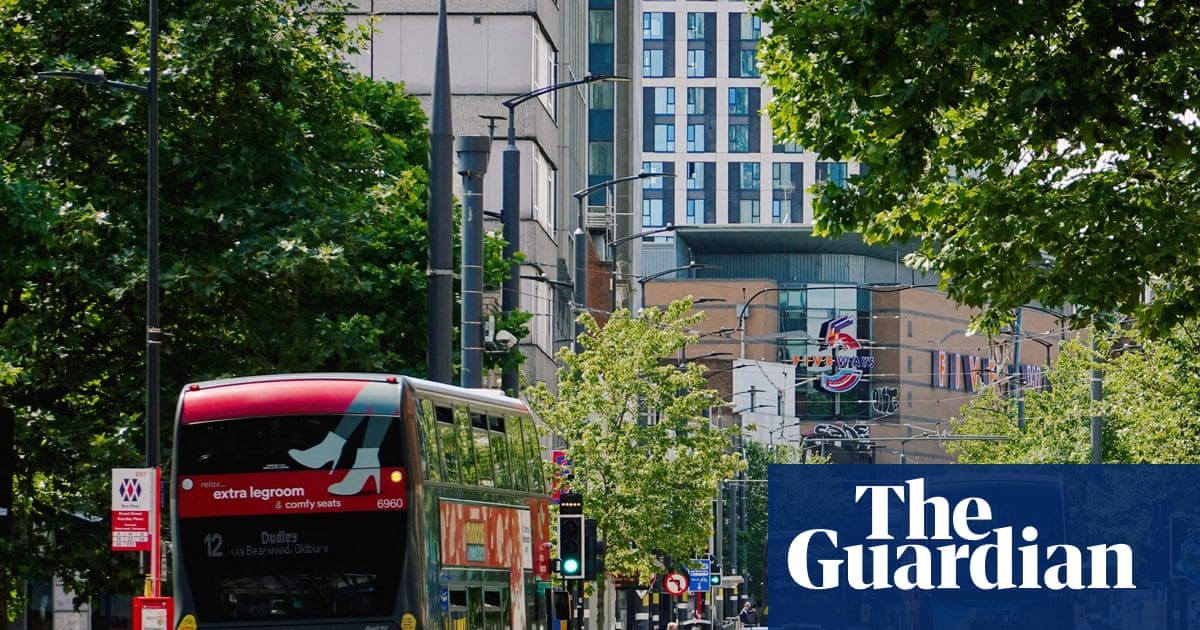
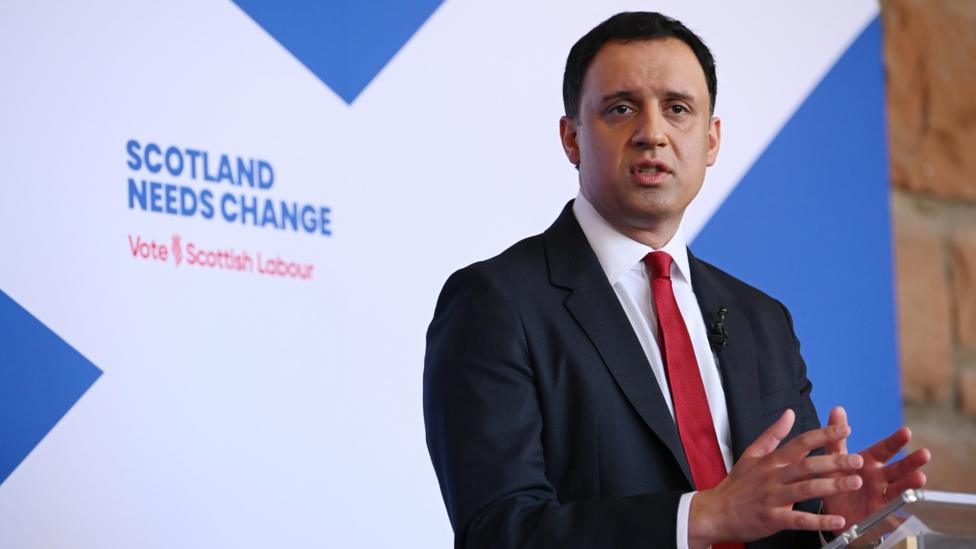
Prime Minister Andy Burnham has capped bus fares across England at £2, funding the £500m consumer relief measure by converting international climate finance investments into loans.
Prime Minister Andy Burnham has capped single bus fares across England at £2 from January, reversing a recent increase as his new government prioritises immediate cost-of-living relief. The limit, which will run throughout 2027, replaces a £3 nationwide maximum introduced last year by former prime minister Keir Starmer and chancellor Rachel Reeves.
The policy will cost more than £500 million, but its financing mechanism is likely to draw scrutiny from European neighbours. Around £400 million will be raised by switching investments in international climate finance to loans. The remainder will come from budget savings at the Department for Energy Security and Net Zero and £50 million of existing bus funding at the Department for Transport. Funds have also been set aside to allow devolved governments to implement similar schemes.
For European policymakers and investors, the funding route signals a stark prioritisation of domestic political pressures over international climate commitments. By converting climate investments into loans rather than direct grants, Britain is effectively reducing its financial contribution to global green transition efforts to subsidise local public transport. The move comes just a day after Burnham announced the removal of VAT from electricity bills, saving households an average of £45 annually from October.
“Good, affordable transport links are an essential. No one should be priced out of those and left behind,” Burnham said. “I’ve done it before and I will do it again now: a £2 cap on bus fares for millions across the country. Lower fares will help people get to where they need to – giving them breathing space to help with the cost of living.”
The Treasury framed the measure as a targeted economic stimulus without adding to the fiscal burden. Chancellor John Healey insisted the scheme was fully paid for. “This action to ease the cost of living is funded by savings made elsewhere, so there’s no burden to British taxpayers, just pounds going back into their pockets,” he said.
Transport secretary Heidi Alexander noted the cap represents a third cut in ticket prices. “We’re cutting fares by a third to help with the cost of living, open up opportunities and keep people connected to work, school, healthcare and their friends and family,” she said.
Trade unions welcomed the intervention but pushed for further economic action. Trades Union Congress general secretary Paul Nowak called for a tax on bank profits and a new “social tariff”. “Along with the tax cut to energy bills, capping bus fares is a good start and means working people can get around for cheaper,” Nowak said. “That’s good for households, businesses and local economies.”
The announcements coincide with a slight easing of inflation, which fell to 2.6% in June from 2.8% in May, providing a marginal economic boost to the new prime minister on his third day in office.