UK inflation falls to 2.6% amid warnings of rebound
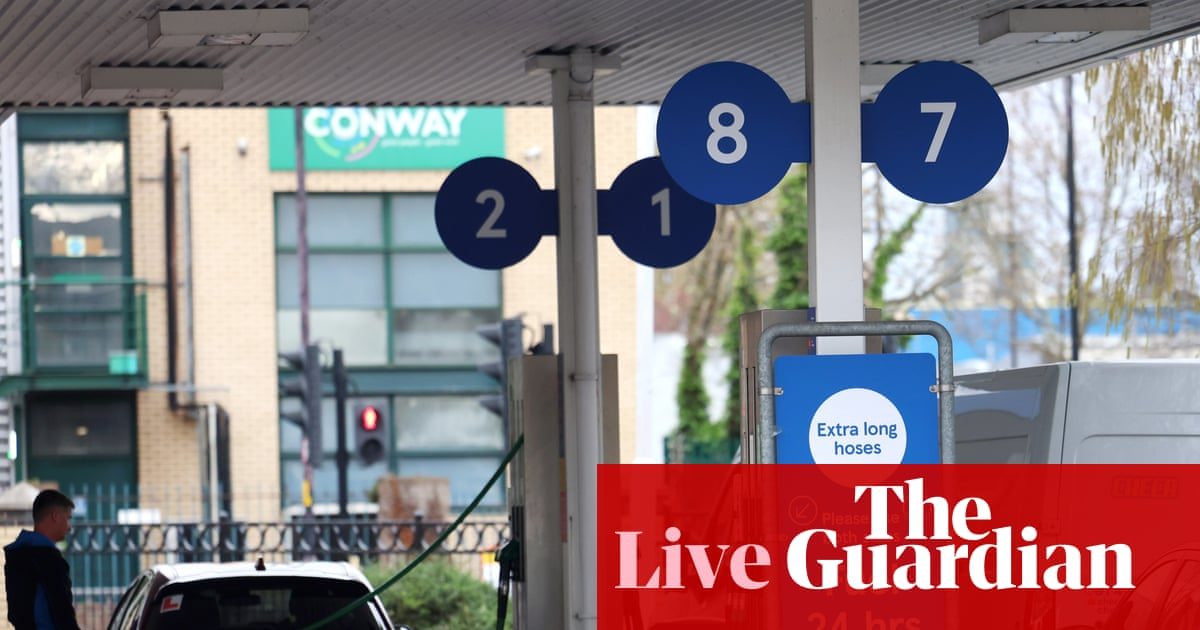
UK consumer price growth dropped sharply in June on cheaper fuel and food, but economists warn the reprieve is temporary as Middle East tensions push energy costs higher.
UK inflation fell to 2.6% in June, dropping faster than the 2.7% forecast by economists and down from 2.8% in May. The decline was primarily driven by a significant drop in motor fuel prices and a seasonal dip in food costs. However, analysts are warning the cooldown is a "false dawn" that masks building pressure from the Iran conflict.
Motor fuels provided the biggest downward effect, with diesel falling 10.7p per litre to an average of 176.4p. Petrol prices also dropped by 2.1p to 155.3p, marking the first decrease since the outbreak of Middle East hostilities in February. Food inflation eased to 1.7% annually, with prices actually falling 0.2% during the month as intense supermarket competition drove down the cost of chocolate, beef, and margarine.
Economists argue the June figures offer a misleadingly benign picture of the UK economy. "June’s slowdown is a false dawn as it may have already been reversed this month," said Suren Thiru of ICAEW, pointing to July's energy price cap increase. Renewed US-Iran hostilities are pushing oil and commodity prices higher, creating an uncertain outlook for the autumn.
Several forecasters expect the consumer price index to breach 3% in the second half of the year. Rob Booth of Pantheon Macroeconomics predicts inflation will peak at 3.3% in November, partly as temporary VAT cuts on meals and recreation expire. Kallum Pickering of Peel Hunt noted that today's data are an "unusually backward-looking nature given the recent re-escalation in the Middle East."
The shifting inflation picture leaves the Bank of England navigating a narrow path. Financial markets are currently pricing in more than two rate hikes over the next year. However, George Brown of Schroders argued that a cooling labour market limits the risk of broader second-round effects, meaning "we think the Bank can stay on hold."
The underlying cost pressures are already squeezing corporate margins. Tim Martin, chairman of the FTSE 250 pub chain Wetherspoon, warned that annual profits will likely fall below market expectations. Despite like-for-like sales rising 4.2% year-to-date, the company faces higher costs across food, labour, energy, and business rates.
The new chancellor, John Healey, acknowledged the mixed reality for households. "Falling inflation is news families want to hear but there is much more to do to give people the breathing space they need," he said. Industry leaders are now urging the new prime minister to prioritise food security to build resilience against ongoing supply chain disruptions.