EU trims Russia sanctions as member states cite economic harm
European Union ambassadors are meeting in Brussels to finalise a watered-down 21st package of sanctions against Russia, after member states pushed back on measures they feared would damage their own economies.
EU ambassadors gathered in Brussels today to sign off on the bloc’s 21st sanctions package against Moscow, a package that has already been significantly weakened following resistance from member states. Previous attempts to reach an agreement ended in failure.
To secure a deal, diplomats have stripped several contentious measures from the text. Proposed restrictions on Russia’s fishing sector and sanctions targeting Russian Orthodox patriarch Kirill were both removed. France, Italy, and Spain also successfully pushed to drop a proposed ban on Russian soldiers entering Europe, having issued the highest number of visas to Russian citizens last year.
Greece continues to block proposed restrictions on Russian liquefied natural gas supplies, highlighting the persistent energy divides within the bloc. The overall retreat reflects a mounting reluctance among member states to absorb economic pain. “The argument heard most often is that sanctions should not harm European countries and their economies compared with Russia,” Lithuania’s ambassador to the EU, Nerijus Aleksiejūnas, told Lithuanian media.
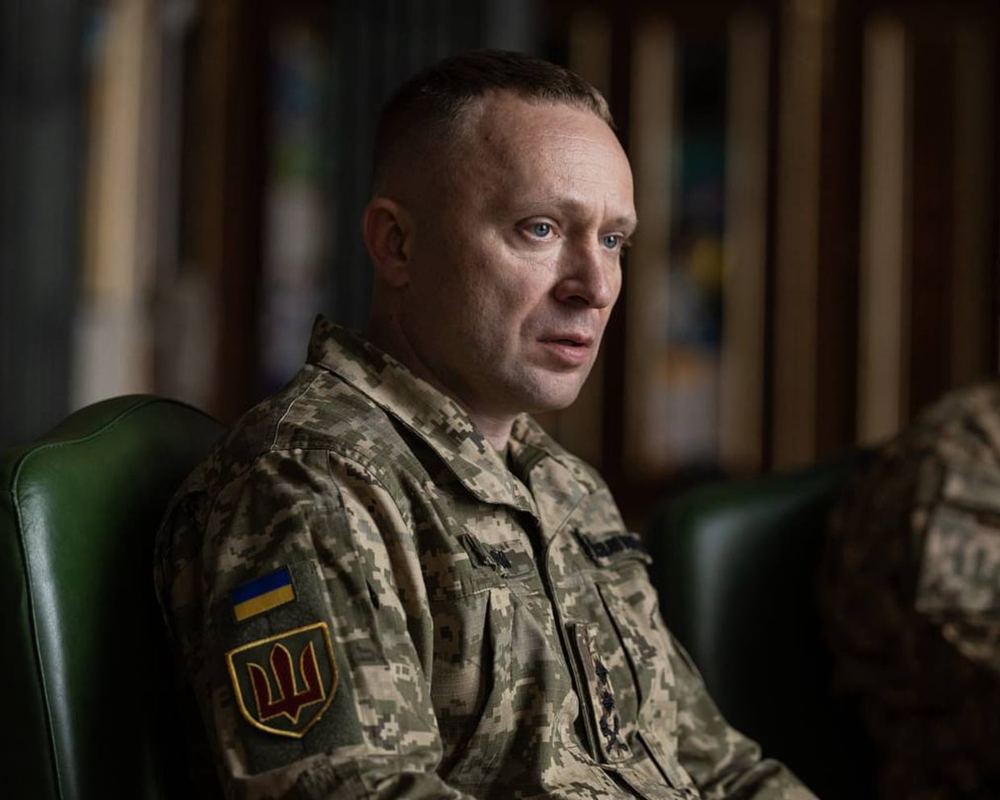
The diplomatic friction in Brussels coincides with a significant upheaval in Ukraine’s military leadership. President Volodymyr Zelenskyy fired commander-in-chief Oleksandr Syrskyi in a late-night television address, appointing General Mykhailo Drapatyi to lead the armed forces and oversee a structural reorganisation of the command.
Zelenskyy moved simultaneously to defuse domestic unrest by offering a “prominent position” to Mykhailo Fedorov, the former defence minister whose dismissal last week triggered nationwide protests. Acknowledging Syrskyi’s past contributions, the president credited him with the defence of Kyiv and a 2024 counter-invasion of Russia’s Kursk province.
As Europe debates its sanctions strategy, Moscow is actively engaging Washington. Russian foreign minister Sergei Lavrov announced he will meet US secretary of state Marco Rubio on Thursday on the sidelines of an ASEAN forum in Manila. Responding to overnight Ukrainian strikes on Russian logistics hubs, Zelenskyy stated: “We are, quite justly, bringing the war back home, to Russia.”
The sanctions debate also extends into European cultural funding, where the Commission revoked a €2 million grant from the Venice Biennale over Russia's return to its 2026 edition. Commission spokesperson Thomas Regnier noted that such events must safeguard values that “are not respected in present-day Russia.”