Morocco demands answers over Bologna police death as protests erupt
The death of a Moroccan man during a police restraint in Bologna has triggered street clashes, a judicial inquiry, and a diplomatic demand from Rabat that risks testing Italy’s handling of public order and migration relations.
Italian prosecutors have opened a formal inquiry into the death of a 42-year-old Moroccan man in Bologna, an incident that has sparked violent street protests and drawn sharp diplomatic pressure from Rabat.
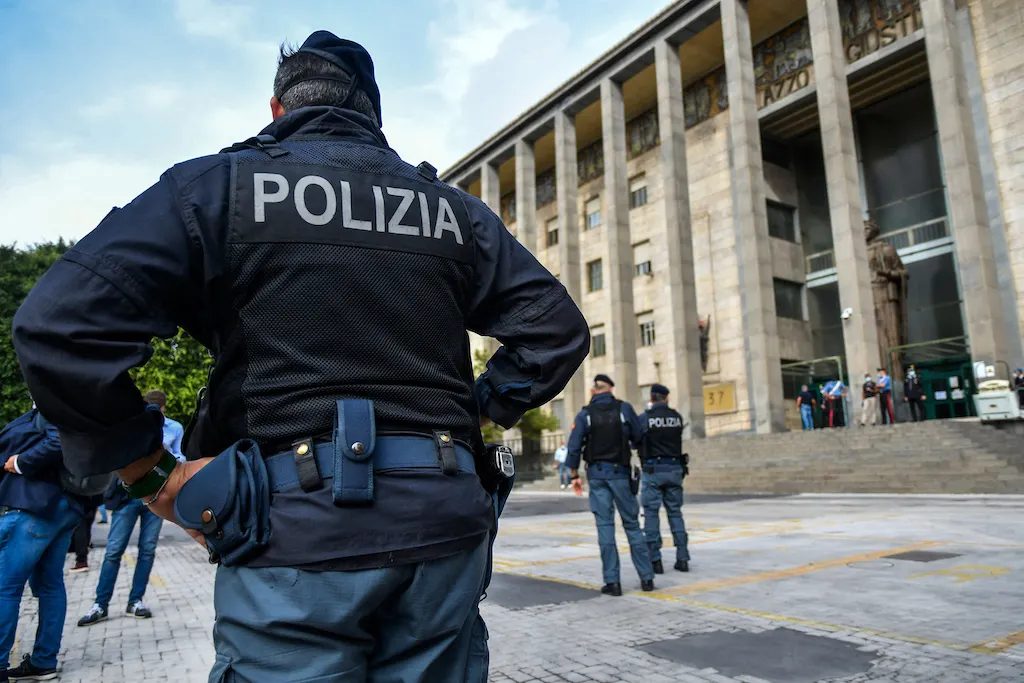
Abderrahim Fakir died after police held him chest-down on the pavement for several minutes. Footage filmed by a local resident captures Fakir pleading for help as two officers press him to the ground, while four additional first responders look on.
Six people are now under investigation by the local prosecutor: the two policemen who physically restrained Fakir and the four first responders present at the scene. Fakir had lived in Italy since arriving at the age of five.
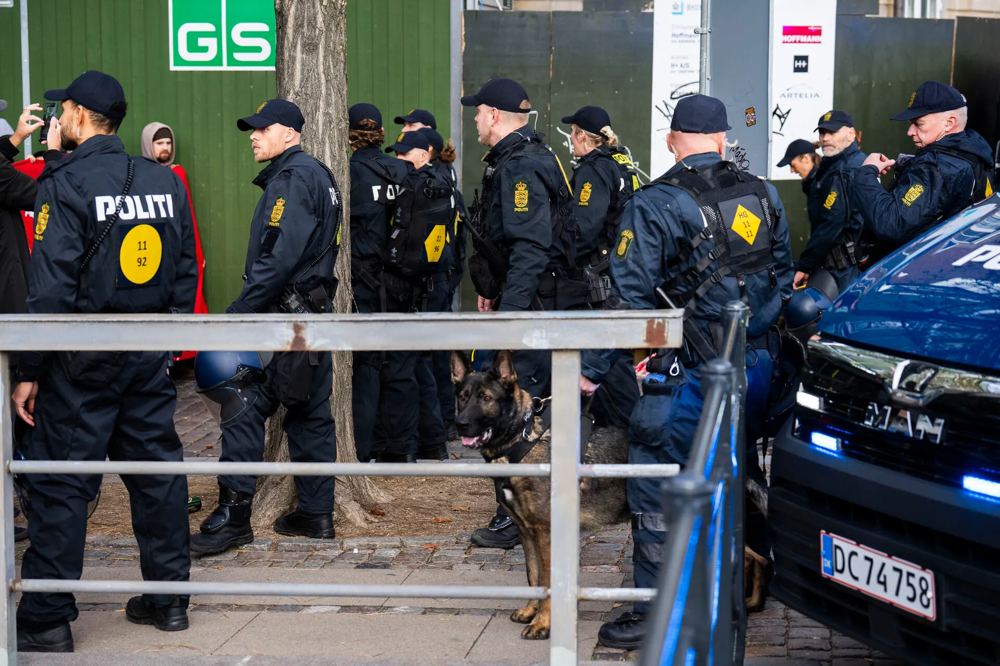
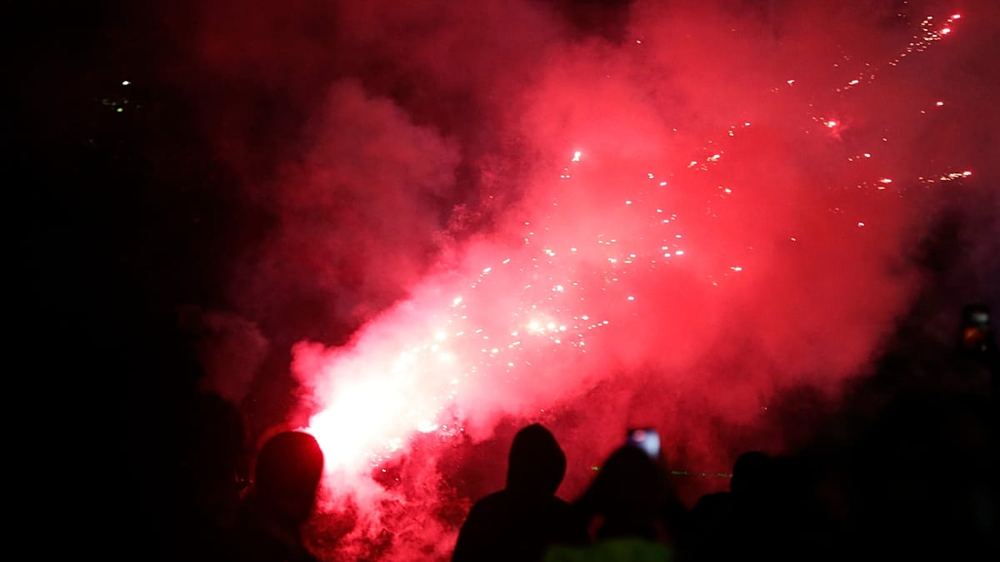
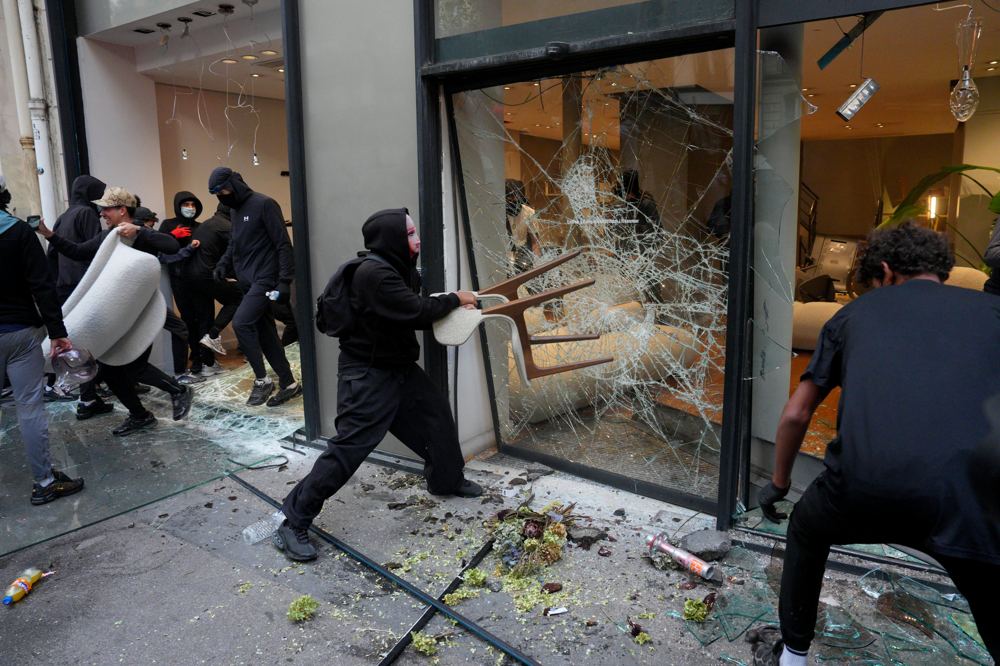
The incident ignited significant public unrest in Bologna on Monday. A demonstration drew several thousand people, according to local media, before clashes broke out with law enforcement. Police headquarters reported 64 officers injured, while news channel Sky TG24 stated that eleven protesters were also hurt.
For Giorgia Meloni’s government, the case presents a sensitive political test. The Italian prime minister moved quickly to call for "the truth right to the end" on Tuesday. "Regarding the death of Abderrahim Fakir, it is imperative that any potential causes are thoroughly investigated with the utmost rigour," Meloni said. She added that "the truth must be pursued without prejudice or leniency for anyone," while simultaneously condemning the violence at the subsequent protest.
However, the domestic response has been outpaced by direct intervention from Morocco. The Moroccan foreign ministry said late Tuesday it was following the case "very closely" and "with concern". Rabat demanded from the relevant Italian authorities "to proceed promptly with a comprehensive investigation to shed full light on the circumstances surrounding this death", and called for "responsibility to be established and that the full application of the required legal measures and procedures be guaranteed."
This diplomatic intervention elevates the case beyond a local policing issue. Morocco is a crucial partner for the European Union in managing migration across the Mediterranean. Public pressure from Rabat over the treatment of Moroccan nationals in Europe can complicate these already delicate bilateral dynamics.
The Bologna fallout underscores the persistent volatility surrounding police tactics and immigrant integration in European urban centres. When routine law enforcement encounters end in death, the resulting fractures in social cohesion and international relations can quickly outpace the judicial process meant to address them.