Wildfires Halt TGVs, Flights as France Faces Record Season
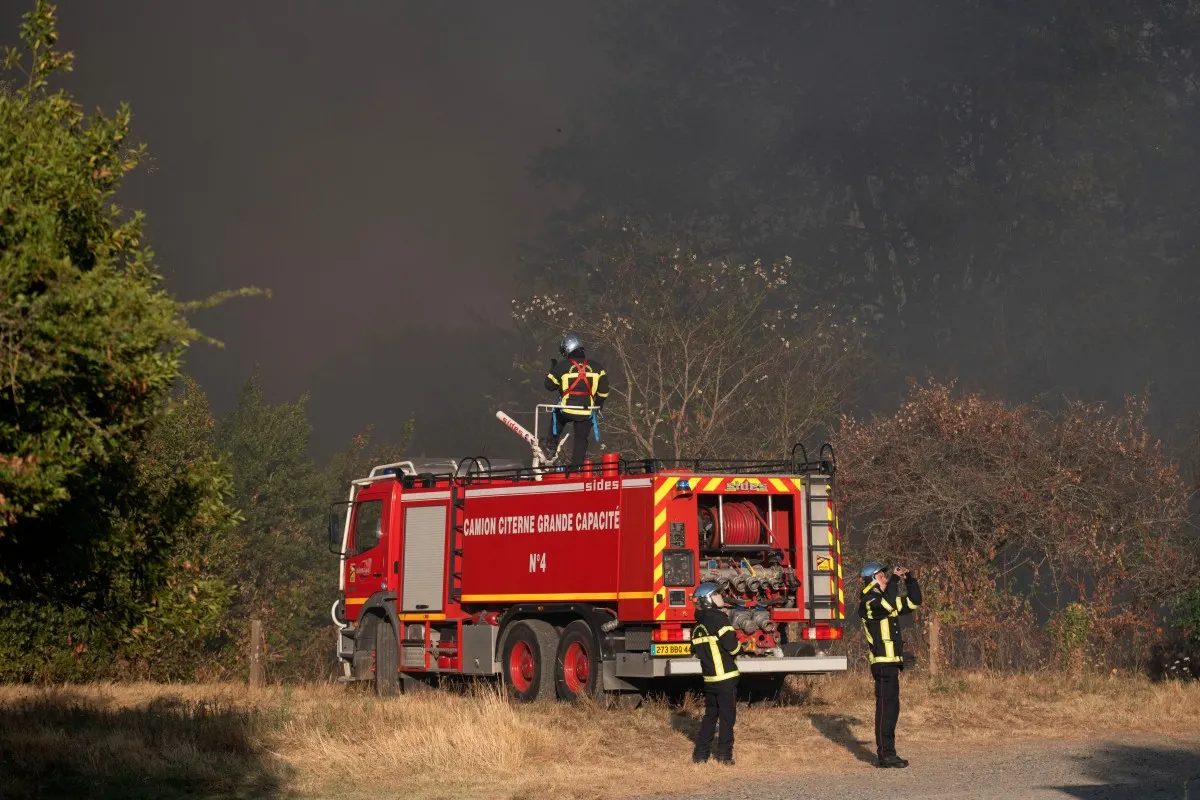
France's worst wildfire season in years is disrupting transport networks and threatening the summer tourism economy as blazes reach previously unaffected regions.
France is experiencing its worst wildfire season in years, with nearly 40,000 hectares burned since January. Interior Minister Laurent Nunez noted this figure is "far more than was burned during the whole of last year," a striking metric considering the peak summer months are just beginning.
The geographical spread of the fires presents a growing operational challenge for transport networks and regional commerce. Historically confined to southern France, wildfires have now forced emergency responses in Brittany and the greater Paris region. This expansion threatens a wider band of the country's economic activity during the vital summer tourism period.
Transport disruptions are already materialising, directly hitting key infrastructure. During a recent fire in the Forest of Fontainebleau south of Paris, authorities closed a major motorway for several days and suspended high-speed TGV trains departing the capital. On Tuesday, a blaze near Bordeaux airport led to the cancellation of dozens of flights as smoke plumes drifted across the runway.
The shifting wildfire patterns are driven by increasingly severe heatwaves and droughts. For the travel and hospitality sectors, this translates into heightened volatility. Local authorities are imposing immediate restrictions, such as closing natural parks and cancelling public events, which directly affects tourist-facing businesses. Around 90 percent of French wildfires are caused by human activities, a statistic that places a premium on strict preventative measures around commercial sites.
To manage operational risks, businesses and travellers rely on a tiered alert system. Météo France issues daily risk maps by département, while the government-backed Feux de Forêt app tracks active blazes in real time. In acute emergencies, the FR-Alert system sends mandatory text notifications to all mobile devices in a danger zone, instructing people to evacuate.
While wildfire deaths remain rare in France, the most recent occurred in 2025 when an elderly woman declined evacuation, rapidly shifting winds mean businesses must treat evacuation orders with absolute urgency. Authorities strictly advise against attempting to protect property, as fires can spread rapidly across wide areas.