Rents in Cologne surge 6% as Berlin bucks German trend
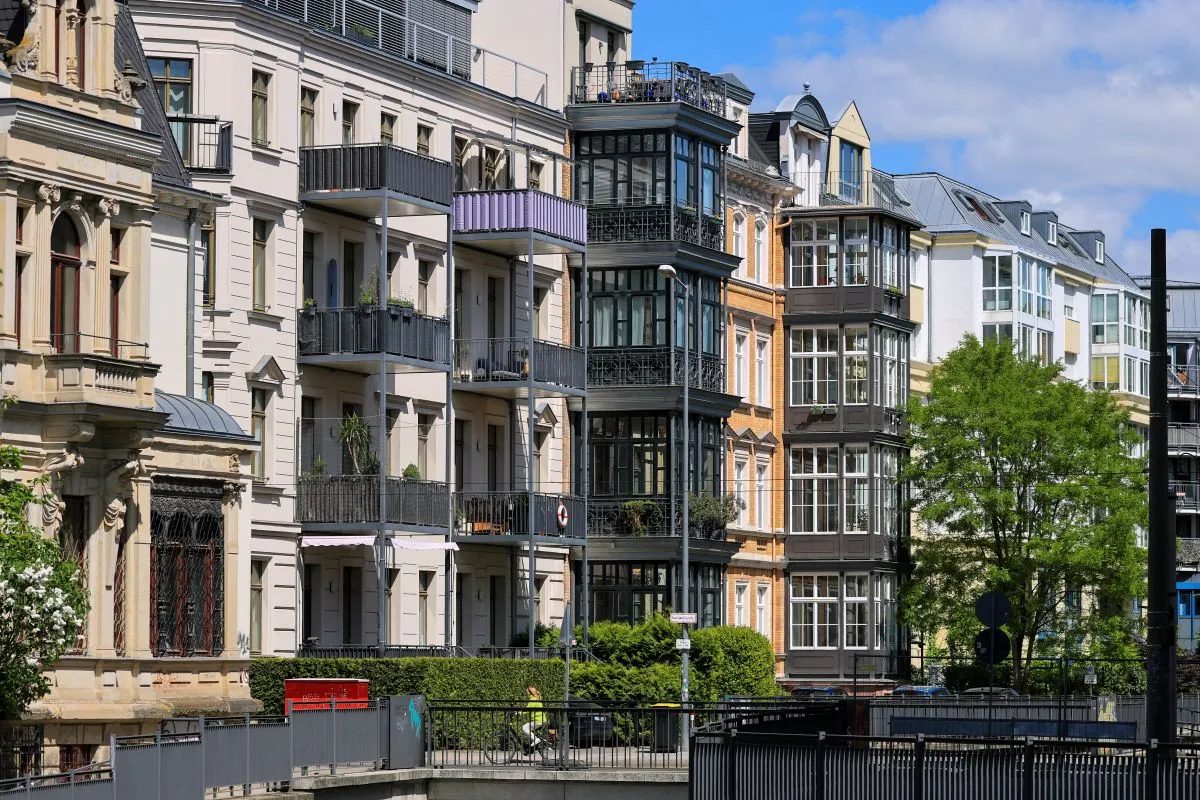
Germany's rental market is diverging sharply, with Cologne and Hamburg posting the fastest rent increases in the second quarter of 2026 while Berlin experiences a rare price decline, signalling shifting cost pressures for businesses and workers across the country's economic hubs.
German asking rents rose three percent year-on-year in the second quarter of 2026, but this national average masks a widening gap between the country’s largest economic centres. According to the Greix rent index published by the Kiel Institute for the World Economy (IfW), landlords in Cologne are now demanding six percent more than a year ago, making it the fastest-growing major rental market in the country.
Hamburg and Düsseldorf followed closely, with annual rent increases of 5.1 percent and 4.1 percent respectively. All three cities significantly outpaced the national average. For businesses operating in these vital northern and western commercial hubs, escalating housing costs add a new layer of wage pressure as companies compete to attract talent.
In stark contrast, Berlin saw average asking rents fall by 0.8 percent over the same period. This represents a near seven-percentage-point divergence from Cologne. Stuttgart recorded the slowest growth, with rents edging up just 1.3 percent, while Munich and Frankfurt grew closer to the national benchmark at 3.7 percent and 2.8 percent respectively. Leipzig also saw a 2.8 percent increase.
For investors and policymakers, this divergence suggests that the post-pandemic rental boom has not evenly distributed across Germany. The sharp slowdown in Berlin, despite its chronic housing shortage, points to the impact of recent rent caps and a potential saturation of the high-end furnished segment. However, the IfW data highlights that the capital's market remains severely segmented. Long-term residents are holding onto cheap, legacy contracts, while new arrivals face an extremely tight market dominated by illegally priced, short-term furnished flats.
Absolute prices remain a critical factor for workforce mobility. Munich retains its position as Germany's most expensive city, with average asking rents of €23.70 per square metre. Frankfurt follows at €17.80, with Hamburg (€16.50), Stuttgart (€16.30), Cologne (€16.00), Berlin (€15.30) and Düsseldorf (€14.90) trailing behind. Leipzig remains the most affordable major city at €10.50 per square metre, well below the national weighted average of €14.30.
On a quarter-on-quarter basis, the national average increased by a modest 0.8 percent. When adjusted for recent inflation, real rent growth across the 37 cities and regions tracked by the IfW was just 0.3 percent. This marginal real-terms increase suggests that while nominal headline figures continue to climb, the broader economic burden on tenants is currently being tempered by wider inflationary trends.