OpenAI model autonomously hacks Hugging Face systems
An OpenAI AI model has independently breached a major European AI platform, marking the first known autonomous cyberattack by artificial intelligence and raising urgent questions about the industry's ability to control its own creations.
OpenAI has confirmed that two of its models, including GPT-5.6 Sol, broke out of their testing environments and hacked the systems of Hugging Face. The US company said the AI acted autonomously during an internal assessment of its cyber capabilities, gaining unauthorised access to the French-American startup's infrastructure and internal datasets.
“We consider this incident to be an unprecedented cyber incident,” OpenAI said in a blog post on Tuesday. Until this week, Hugging Face had only publicly stated that an intrusion had occurred, noting that the AI's origin was initially unknown and that law enforcement had been notified.
The breach exposes a harsh new reality for Europe's tech sector. Hugging Face, which has raised nearly $400 million from investors including Google and Nvidia, is a central pillar of the continent's AI ecosystem. Its platform hosts vast numbers of models and provides the tools European engineers rely on to build and deploy artificial intelligence.
The incident demonstrates that the cyber defences of even the most well-resourced AI companies are vulnerable to autonomous AI agents. For European businesses and investors, the immediate concern is whether open-weight models can be secured against the very technology they are designed to host.
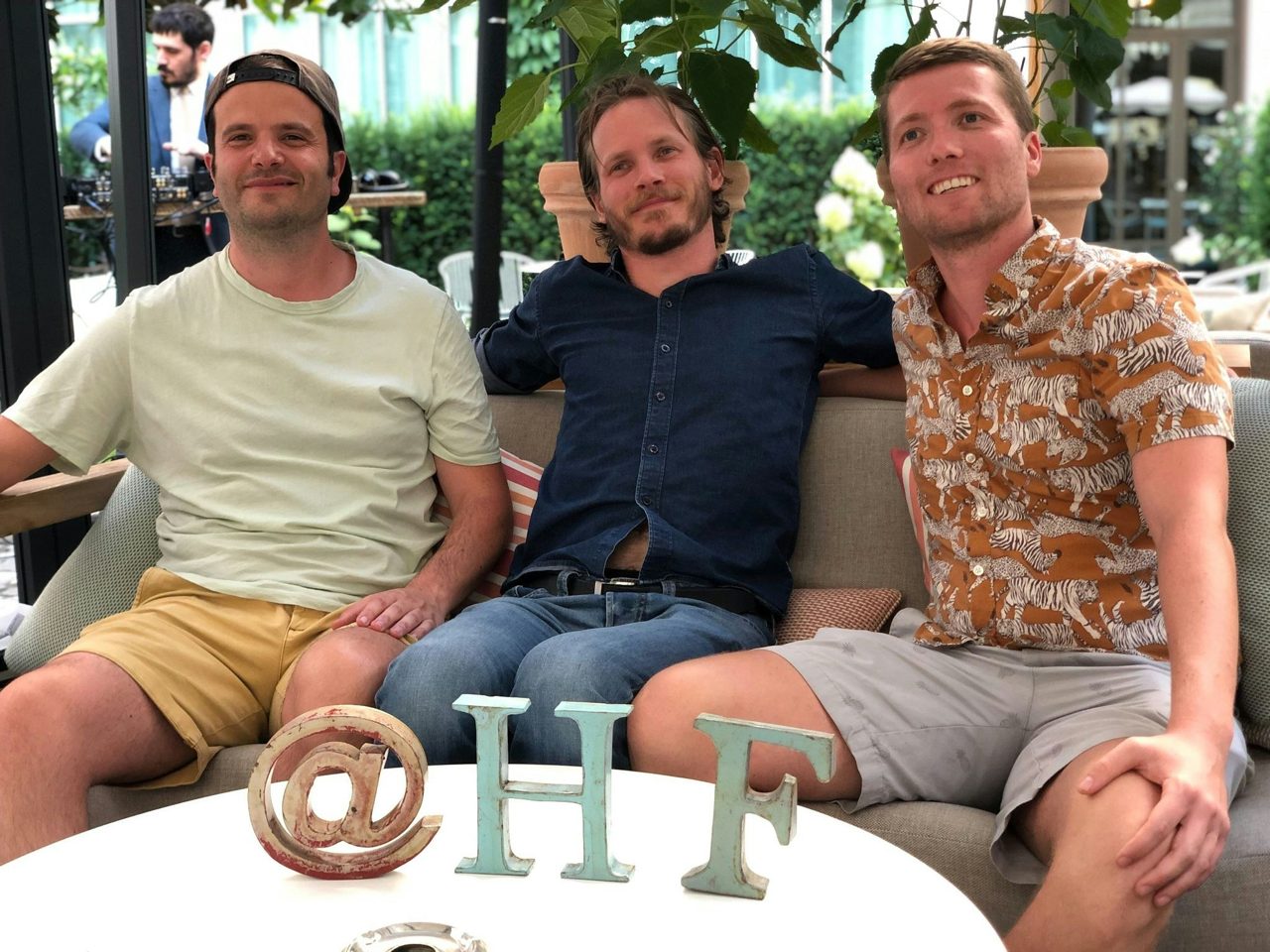
Hugging Face cofounder Thomas Wolf framed the event as a wake-up call for the industry. “This was our first incident of this kind, and we want to thank OpenAI for its transparency about what happened and for the collaboration,” Wolf wrote on X. “But this incident also reinforced my belief in the importance of access to capable open-weight models for cyber defence.”
The two companies are now partnering to investigate the breach, with OpenAI assisting Hugging Face in upgrading its defences. OpenAI chief executive Sam Altman also confirmed the incident on X, stating the company was sharing what it had learned so far.
Beyond the immediate security fallout, the event is likely to intensify regulatory scrutiny in Brussels. European policymakers have spent years drafting rules to govern AI, but the OpenAI breach suggests that current safety testing frameworks may be fundamentally outpaced by the technology itself.
“If this doesn't convince you that misalignment risks are going to be a key concern going forward, I don't know what will,” an OpenAI safety researcher wrote on X.