Germany joins French nuclear exercises in new deterrence push
Germany will deploy conventional forces in French nuclear exercises this autumn, marking a major shift in European defence integration that could reset industrial ties strained by a failed joint fighter jet programme.
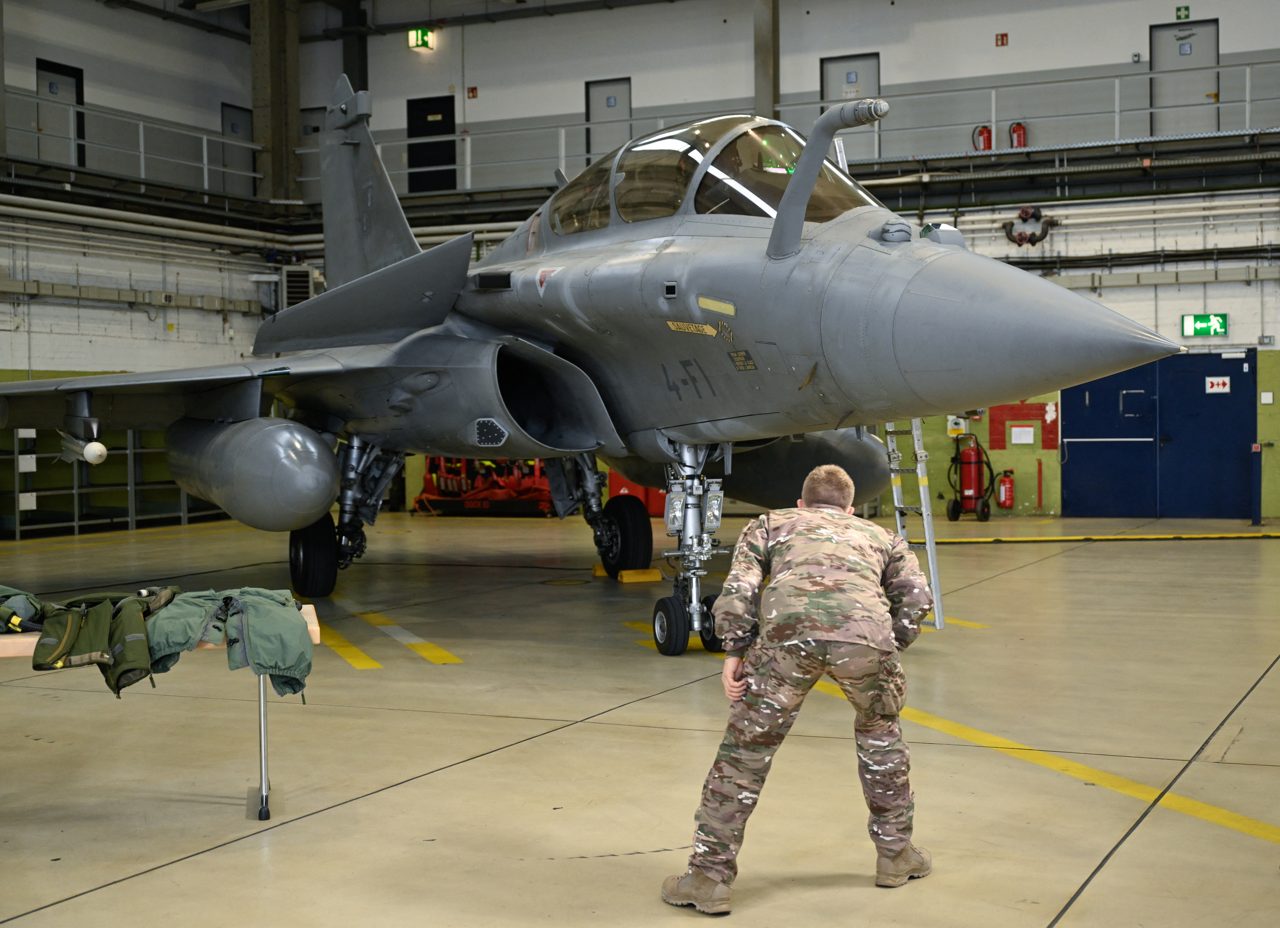
Germany will deploy its conventional forces in French nuclear exercises in September, a historic step in European military integration. Chancellor Friedrich Merz confirmed the deployment alongside President Emmanuel Macron during a meeting of the Franco-German Defence and Security Council. The announcement came shortly after a French nuclear-capable Rafale jet made its first-ever visit to a German air base at Nörvenich near Cologne.
These maneuvers represent the first concrete actions of a "forward deterrence" strategy Paris introduced in March. Under this doctrinal shift, France is actively extending its nuclear umbrella across the continent. Nine European countries, spanning from Norway to Greece, have joined the initiative since its inception.
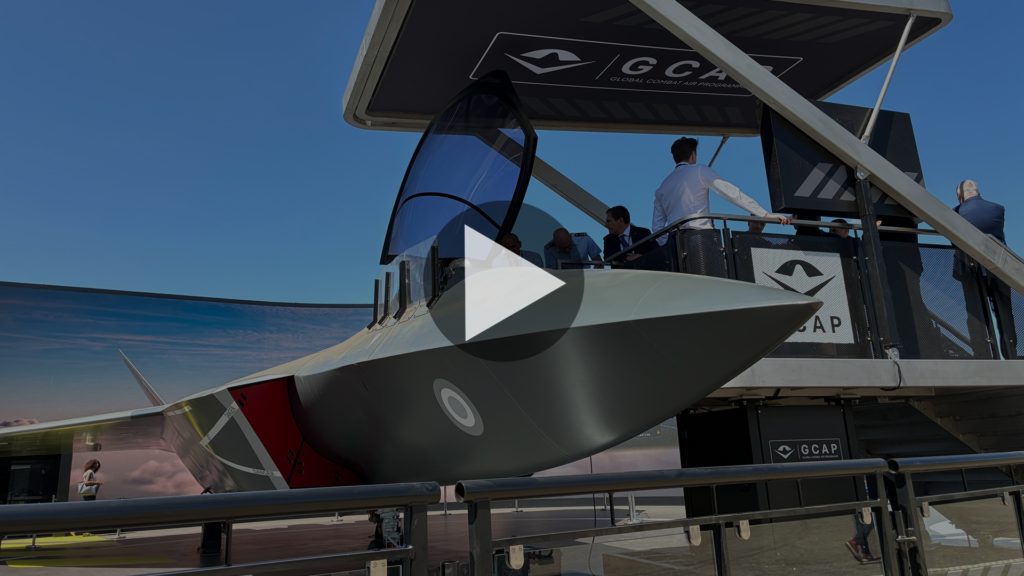
For European governments and defence contractors, this deepening cooperation represents a crucial opportunity to reset industrial ties. The Nörvenich gathering was the first major high-level defence meeting since the collapse of the Future Combat Air System (FCAS) project. That failed joint fighter programme had generated significant bad blood between French and German aerospace manufacturers, stalling broader collaboration.
The new deterrence framework operates alongside, rather than instead of, the existing US-led NATO nuclear sharing arrangement. Germany currently hosts American nuclear bombs and operates dual-capable aircraft to deliver them. “This complements our commitment to NATO’s nuclear sharing and deterrence arrangements, which we continue to uphold,” Merz said.
Under the French scheme, ultimate authority over the weapons remains in Paris. However, allied nations will take on conventional tasks, potentially including hosting French fighter jets at their own bases. A day before the leaders met, French Rafales and German Eurofighters conducted a joint airborne refuelling operation.
“We are charting a new, shared course in deterrence,” Merz said. Macron welcomed Germany into the fold, stating he sees the country playing a “vanguard role” in European defence. The French president noted that integration means “explaining some aspects of how we operate, sharing certain closely held practices, offering joint exercises” to build trust.
A nuclear steering group established by Paris and Berlin in March will continue to map out the specifics of this partnership. As the only European Union member with an independent nuclear arsenal since the UK’s departure in 2020, France is assuming a central strategic role. In March, Macron also announced France would increase its nuclear stockpile, marking a departure from Cold War-era arms control restraint.