EU biometric borders cause delays but spare travel demand
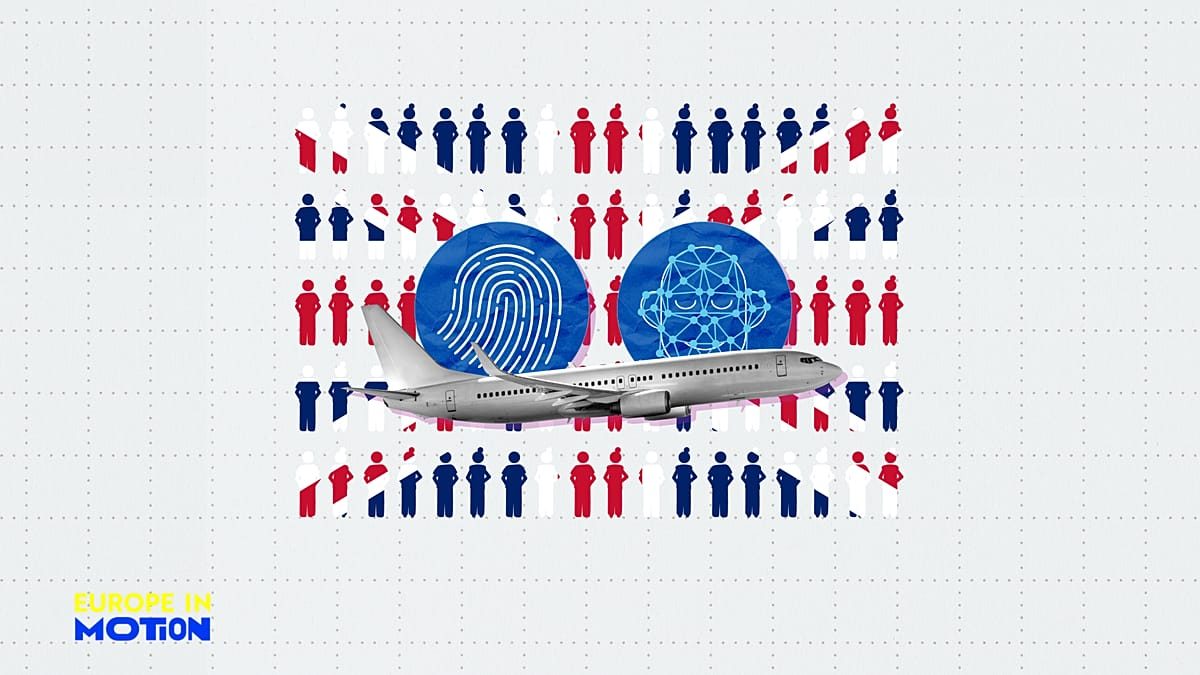
The EU's new Entry/Exit System is generating longer border queues for British tourists, but consumer resilience is sparing the bloc's travel sector from a summer of cancellations.
The EU’s new Entry/Exit System is generating measurable delays for British tourists, yet it has so far failed to deter them from visiting the continent. According to a new YouGov survey, zero respondents who planned to travel to Europe had cancelled their trips because of the new biometric checks.
The system, which became fully operational in April, replaces manual passport stamping with digital records, including fingerprints and facial images, for non-EU nationals visiting the Schengen Area for up to 90 days. The European Commission has called the rollout a "major milestone" that is modernising and "enhancing the security of Europe's external borders."
For airlines and airport operators, the transition has brought operational friction. In an open letter, the industry warned that the time required to collect biometric data was creating disruptions at external borders. The Commission responded in early July by announcing that biometric registration could be "temporarily suspended" during periods of "exceptionally high pressure" to manage overwhelming lines.
The survey of Britons who travelled to Europe in the previous month quantifies the practical impact of these new requirements. Thirty-six per cent queued to provide biometrics, 30% faced longer lines at passport control, and 16% encountered additional document checks. For 27% of these travellers, the system increased their overall travel time, while 19% reported stress or anxiety.
However, the disruptions remain far from universal. Thirty-seven per cent of recent travellers experienced no issues at border control points, and 53% said none of the listed negative impacts applied to their journey. Only 11% said the experience made them worry about future European travel.
This resilience is a significant relief for Europe’s tourism-dependent economies. Britons represent one of the largest groups of non-EU visitors, particularly during the lucrative summer months. Rather than abandoning trips, 64% of those planning travel in the next 12 months said they would proceed as planned, with 41% simply opting to allow additional time for their journey.
A small minority are altering their behaviour in ways that could eventually shift revenue across the travel sector. Eight per cent said they might travel at a different time of year, 5% are considering destinations outside Europe, and 4% plan to delay making bookings. For now, the new border reality is adding logistical friction rather than inflicting economic damage on the industry.