Zurich deploys police to tackle rising open-air drug use

Zurich is increasing police patrols at key urban spaces to curb a summer surge in visible drug use, testing the limits of Switzerland's harm-reduction model.
“The problem of visible drug use in public spaces has increased in several locations over the past summer weeks,” Zurich authorities announced on July 21st. To address this, the municipality is deploying additional police and social workers to four central areas it has labelled as “hotspots”: the Bäckeranlage, the barracks area, the main train station’s Platform 3, and the Schanzengraben.
For a major European financial hub, the visibility of drug markets and associated conflicts directly undermines the usability of public spaces that are vital to urban commercial life. “Visible drug use, drug dealing, and related conflicts make it difficult to use and spend time in these public spaces,” the city said. This degradation threatens the daily functioning of key transit and recreational zones.
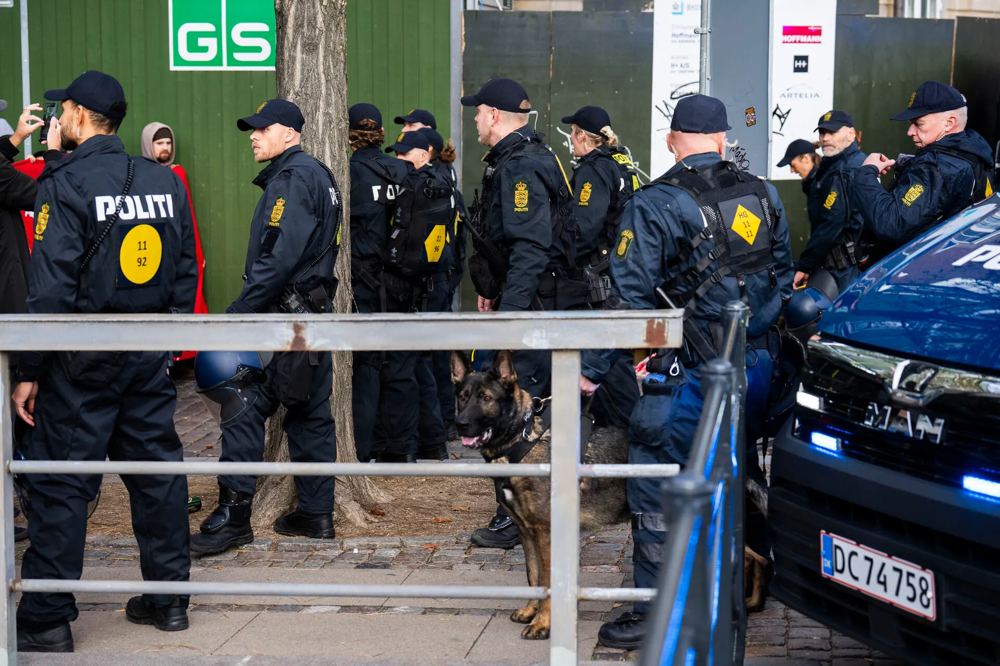
To reclaim these areas, officials are implementing increased car and foot patrols, systematic identity checks, and dispersal orders. “Drug use and dealing in public spaces will not be tolerated,” city officials said. Instead of relying solely on punitive measures, “Those using drugs will be consistently checked and, depending on the situation, directed to designated consumption sites.”
This tactical response reflects Switzerland’s broader refusal to purely criminalise addiction, favouring medical and social-support strategies. The municipality stated it is “taking this development seriously and intensifying police and social work measures on site, while working on structural solutions.” These solutions include channelling individuals into indoor premises designed to provide a safe environment away from public view.
Such designated consumption sites are not unique to Zurich, operating successfully in Bern, Basel, Geneva, Lausanne, and Lucerne. Zurich's current strategy is deeply informed by its historical struggles with massive open-air drug scenes, most notably the infamous Platzspitz park. Known globally as the “Needle Park” in the 1980s, it hosted thousands of European addicts before authorities finally closed it in 1992.
The chaotic legacy of that era catalysed Switzerland’s adoption of progressive harm-reduction policies, including a state-run heroin distribution programme. Started in the 1990s, this model provides pharmaceutical heroin to severely dependent addicts. For European policymakers observing Zurich's current crackdown, the city's approach underscores a calculated belief that combining targeted policing with robust health interventions reduces broader societal costs, having drastically cut crime, HIV rates, and overdose deaths.