Austria plans to cut red tape for flat air conditioning
The Austrian government is preparing to loosen property laws to ease the installation of air conditioning and exterior heat protection, a shift that could alter maintenance costs and energy demand in the housing market.
Vice-Chancellor and Housing Minister Andreas Babler has announced that the government is working to remove legal barriers to installing air conditioning, external blinds, and sun-protection coatings. The plan, developed with the Justice Ministry, follows weeks of high temperatures that left many Austrian homes difficult to use.
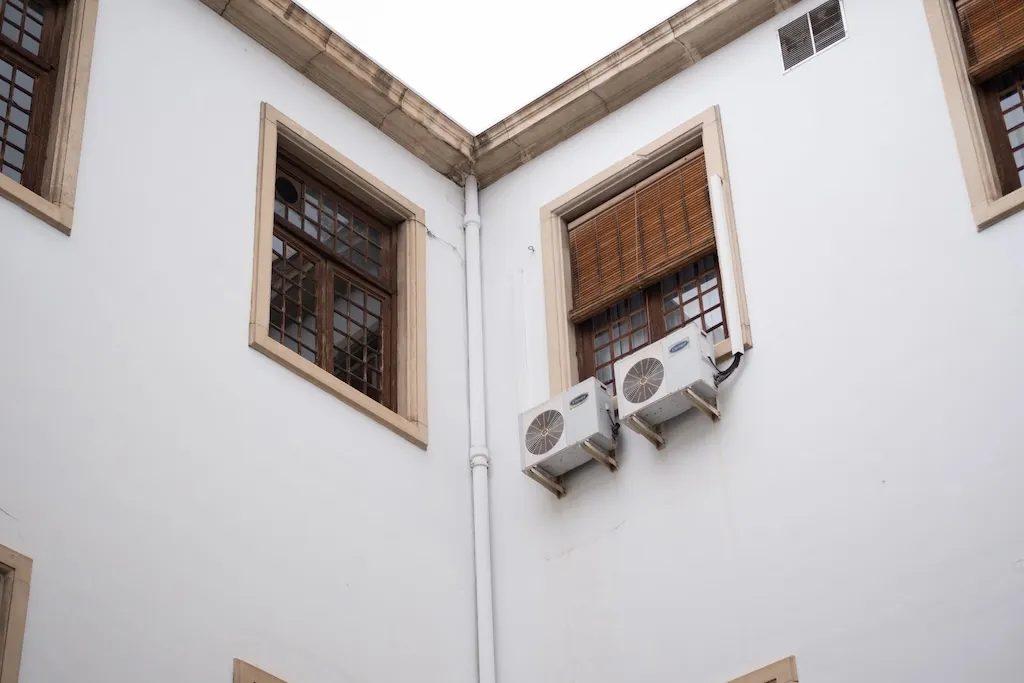
Under current rules, installing a fixed split system is treated as a structural alteration because it requires drilling through walls and placing outdoor compressors on shared façades, balconies, or roofs. Courts apply a strict test for such work, meaning both tenants and apartment owners typically need explicit consent from landlords or fellow owners. Securing this approval can involve protracted legal disputes and costs, creating a significant bottleneck for the installation market.
Babler told the Bundesrat that air conditioning should no longer be automatically classified as a luxury in 2026. Easing these restrictions could shift consumer spending toward more efficient fixed split systems and away from portable units, which consume considerably more electricity and offer reduced cooling effects.
Housing market friction points
The reform could impact different parts of Austria's residential sector unevenly. Vienna has already streamlined the approval process for its municipal housing stock, which Babler presented as a possible model for a federal solution. In the private rental market, changes might alter current tenancy rules that require two months' written notice and technical plans, though landlords could still block work that damages buildings, creates safety risks, or violates heritage protections.
However, legal changes alone may not unlock mass adoption. FPÖ representatives noted during the debate that many households cannot afford the upfront purchase and running costs of fixed systems even if permission is granted. The Greens argued that any reform must include broader obligations for landlords to fund thermal renovations, such as better insulation and green roofs, rather than relying solely on mechanical cooling.
Babler acknowledged that air conditioning is not a cure-all, emphasizing that long-term adaptation of buildings and neighbourhoods remains necessary. No draft law or detailed timetable has yet been published, leaving the exact scope of the regulatory and economic shift uncertain.