France's ecology minister stays after Macron rejects pesticide protest
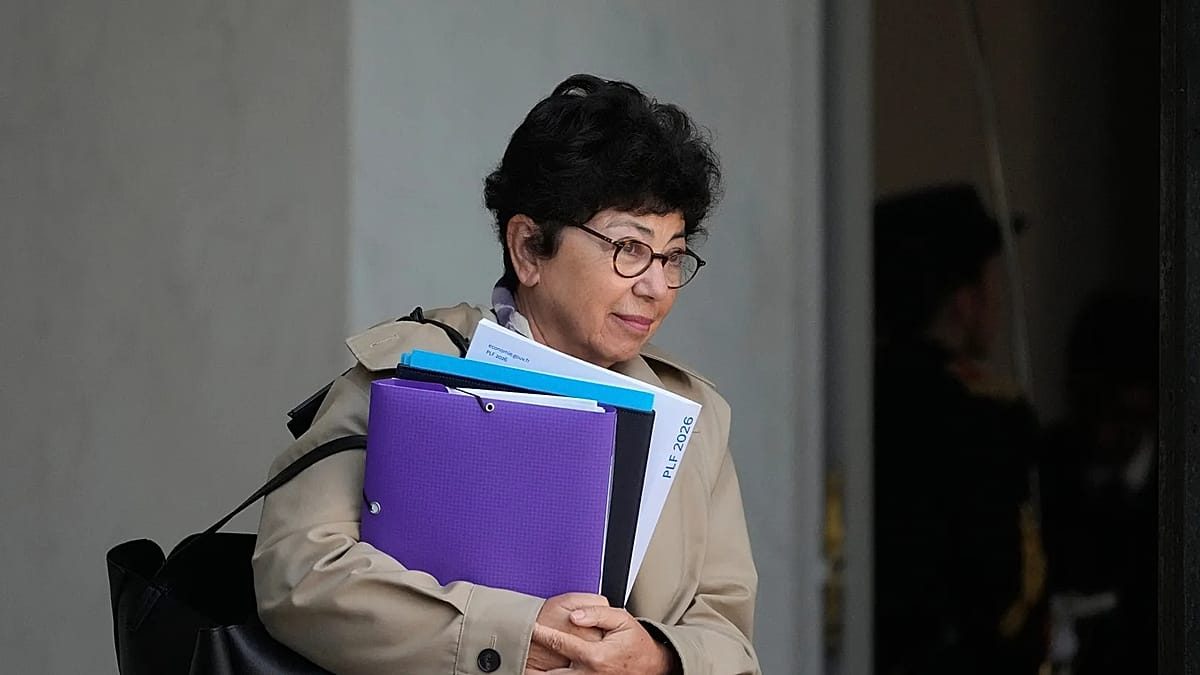
France's ecological transition minister withdrew her resignation after a direct intervention by President Emmanuel Macron, averting a cabinet crisis but exposing deep divisions over the government's reversal on national pesticide bans that impact the agricultural sector.
Monique Barbut will remain as France's Minister for Ecological Transition after President Emmanuel Macron refused to accept her resignation. Her departure, announced publicly on Wednesday morning over a dispute concerning the reintroduction of certain pesticides, was quickly retracted following direct talks with the president.
The immediate trigger for the crisis was the French parliament's approval on Tuesday of an emergency agricultural bill. The legislation permits the French Agency for Food, Environmental and Occupational Health & Safety to conditionally reintroduce acetamiprid and flupyradifurone. While these two chemicals are authorised across the European Union, they are banned in France, and their return is targeted at supporting struggling sectors like hazelnut and sugar beet production.
In a scathing LinkedIn post earlier in the day, Barbut accused the government of breaking its word. "Contrary to the assurances I had been given, the government has prevented any debate on the scrapping of this measure, even though MPs also wanted it to be scrapped," she wrote, characterizing the move as "one environmental setback too many." Her critique was echoed by members of the ruling coalition, who proposed an amendment to drop the provision on Monday only to be overruled by ministers.
For the agricultural sector, the dispute underscores the persistent regulatory uncertainty surrounding chemical use in France. Agribusinesses operating in affected markets must now navigate a fractured policy landscape, where national environmental ambitions frequently clash with the immediate economic demands of farming. The controversy also revives the political turbulence seen last year when the Duplomb Act, which similarly sought to reintroduce acetamiprid, was struck down by the Constitutional Council following a public outcry.
Government spokesperson Maud Bregeon framed the resolution as a pragmatic compromise. "The president refused to accept her resignation; and they agreed on three fundamental pillars, water, forests and environmental health, three areas in which she has agreed to remain fully committed," Bregeon told the cabinet. She noted that Macron and Barbut had simply "agreed to disagree on the agriculture bill as passed by parliament."
Barbut's office confirmed her underlying opposition to the pesticide measure remains unchanged. However, she chose to stay "because of the urgent need to tackle the impacts of climate change, which are already hitting France hard, and to address pressing environmental health issues." The incident follows a pattern of internal friction for the outspoken minister, who had previously threatened to resign over funding, stating “What I want are proper budgets for adaptation and the Green Fund,” but ultimately succeeded in preserving her ministry's required resources.